
Spray foam roofing is a fluid-applied system that expands on contact to form a rigid, continuous insulation layer across the roof surface. Unlike traditional membranes that rely on seams and mechanical fasteners, spray foam creates a monolithic barrier, reducing common points of water intrusion prevalent across commercial properties in Georgia and Tennessee. Once the foam cures, a protective elastomeric coating is applied to defend against UV exposure and weathering.
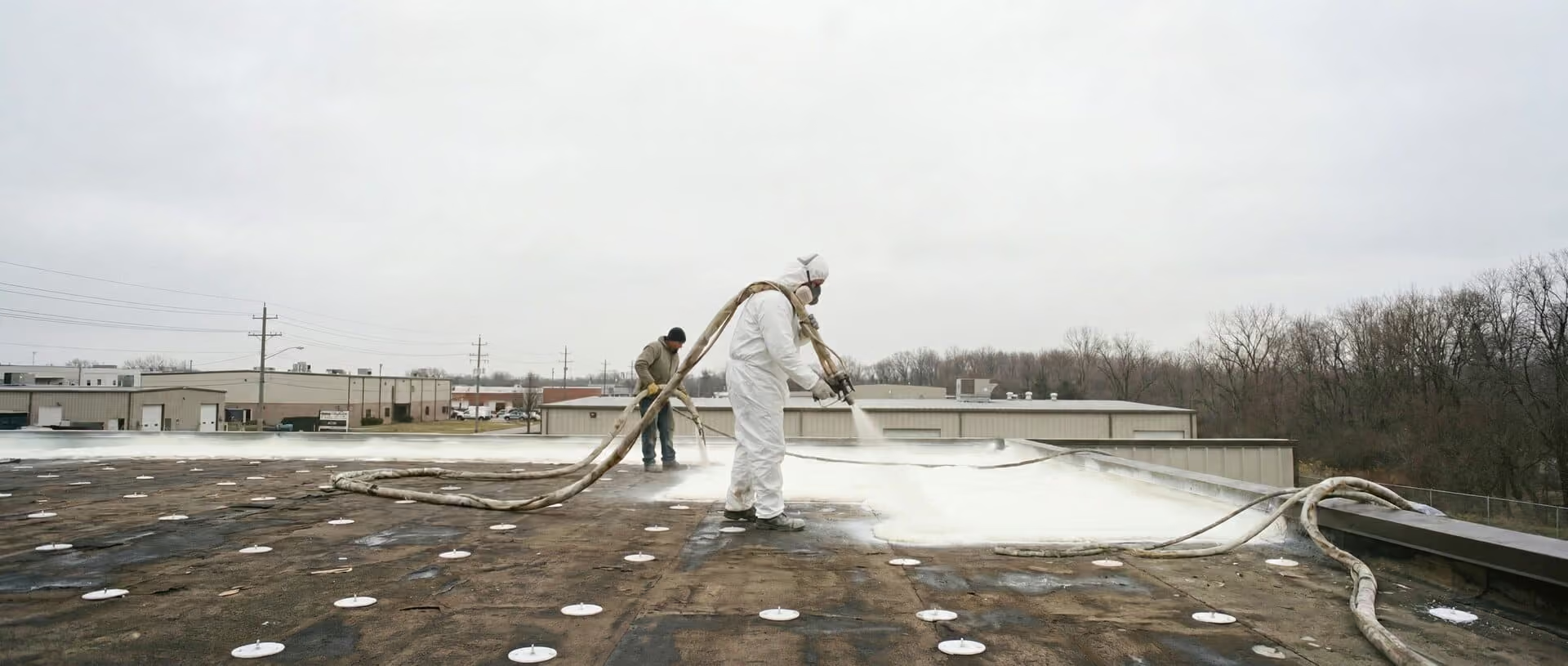
Durable Spray Foam Roofing for Commercial Buildings in Georgia & Tennessee
Platinum-certified commercial spray foam roofing systems backed by a 20 year workmanship guarantee.

Spray Foam Roofing That Seals Out Moisture & Weather
Substrate Preparation and Structural Evaluation
Before installation begins, the existing roof must be thoroughly evaluated. For commercial property owners throughout Atlanta and the surrounding region, surface dryness, structural stability, and drainage performance determine whether the building qualifies for commercial foam roofing. Moisture scans and adhesion testing are completed prior to application to confirm compatibility. Any compromised areas are corrected before the foam layer is installed.
Energy Performance and Long-Term Efficiency
One of the primary advantages of spray foam commercial roofing is its insulation value. By reducing thermal transfer, spray foam helps stabilize interior temperatures and can lower long-term energy demand — a meaningful benefit for facilities across Covington and greater Georgia. Proper thickness calibration and drainage alignment are critical to maintaining performance across the seasonal heat cycles and heavy rainfall common throughout Chattanooga and Tennessee.
Why Jaco for Spray Foam Installation?
Foam systems require calibrated spray equipment, controlled environmental conditions, and disciplined inspection standards. Jaco approaches each project with defined preparation protocols and post-application verification to confirm uniform thickness and coating coverage.
If you are evaluating restoration or insulation upgrades, request a proposal from Jaco to determine whether spray foam is an appropriate solution for your commercial property.
Areas We Serve
Featured ProjectsAcross Georgia & TennesseE

Featured Projects
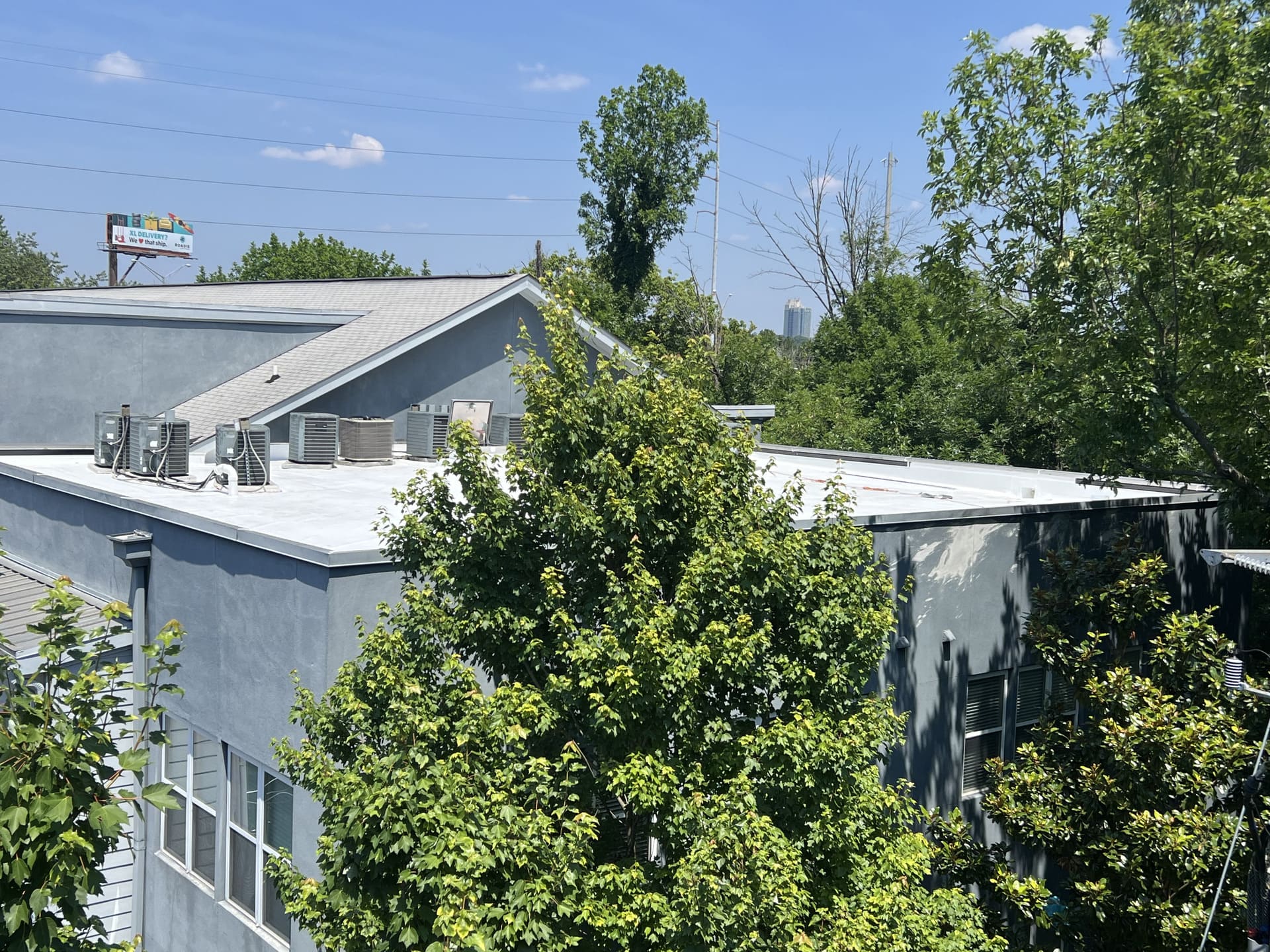
Atlanta, GA
A white single-ply membrane roof on a loft building, worked in around a row of rooftop HVAC units and tied into the adjoining sloped sections.
No items found.
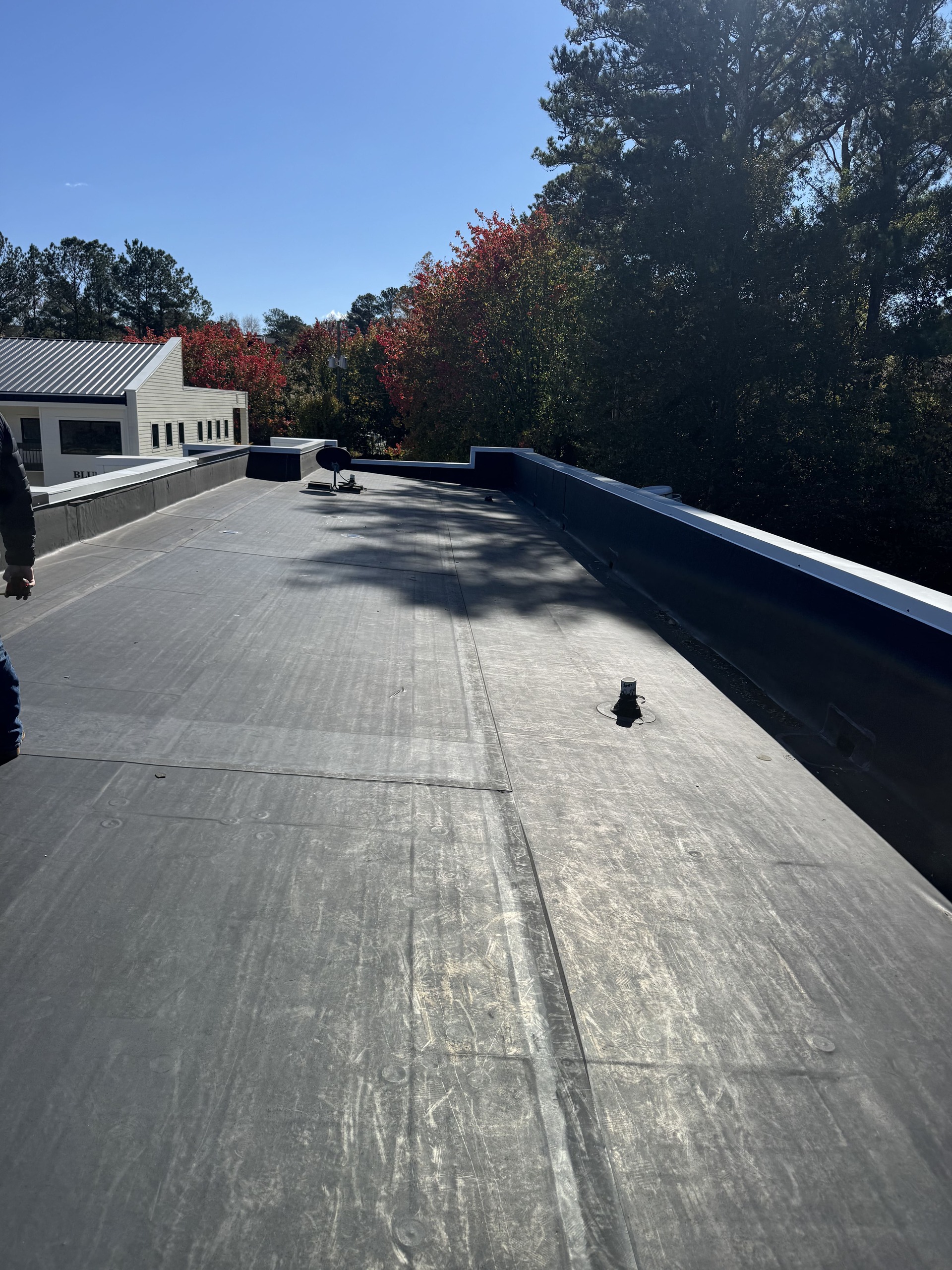
Peachtree City, GA
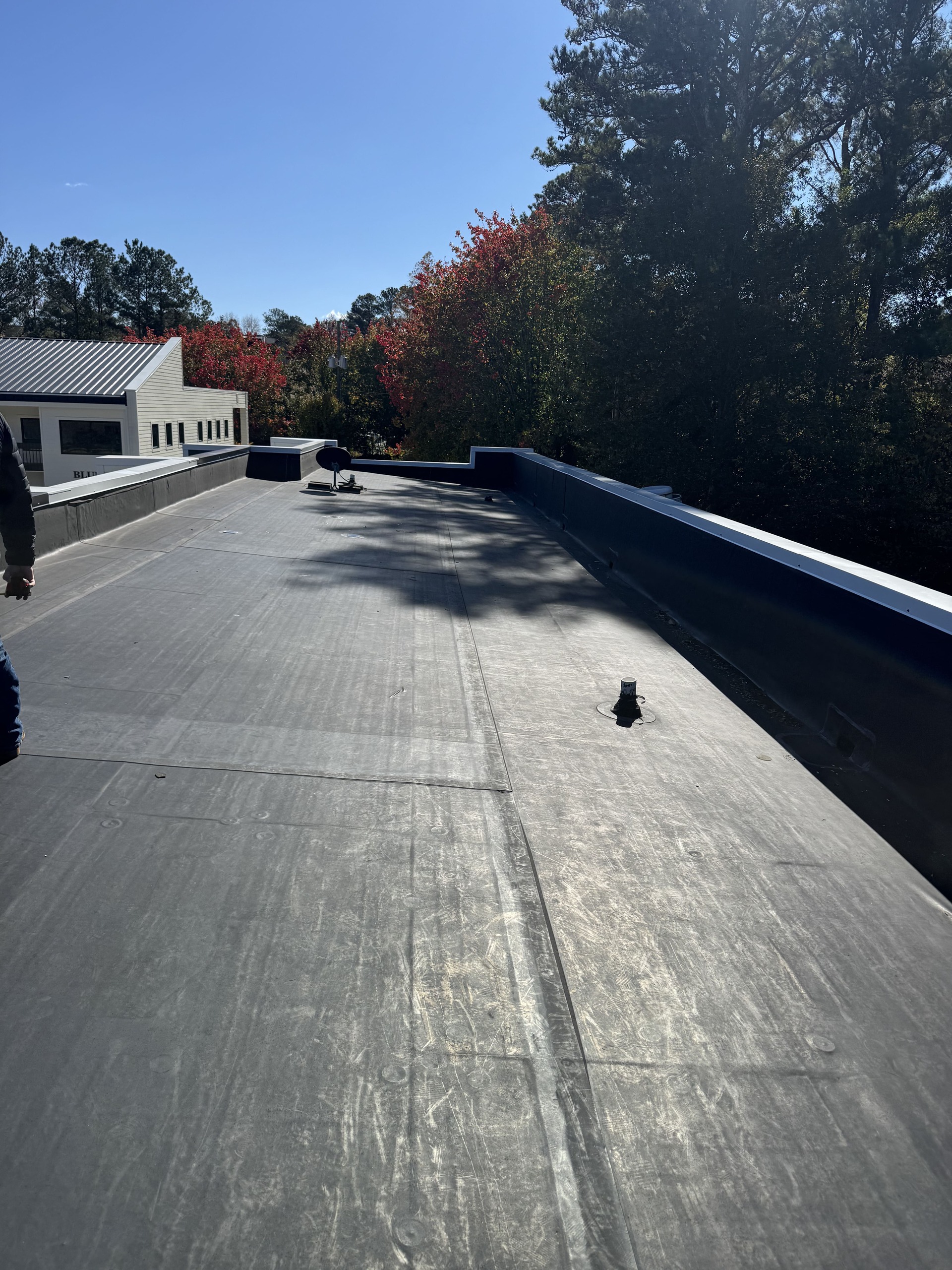
A flat, charcoal-gray field framed by dark coping � understated, resilient, and engineered to outlast the seasons.
No items found.
Atlanta, GA
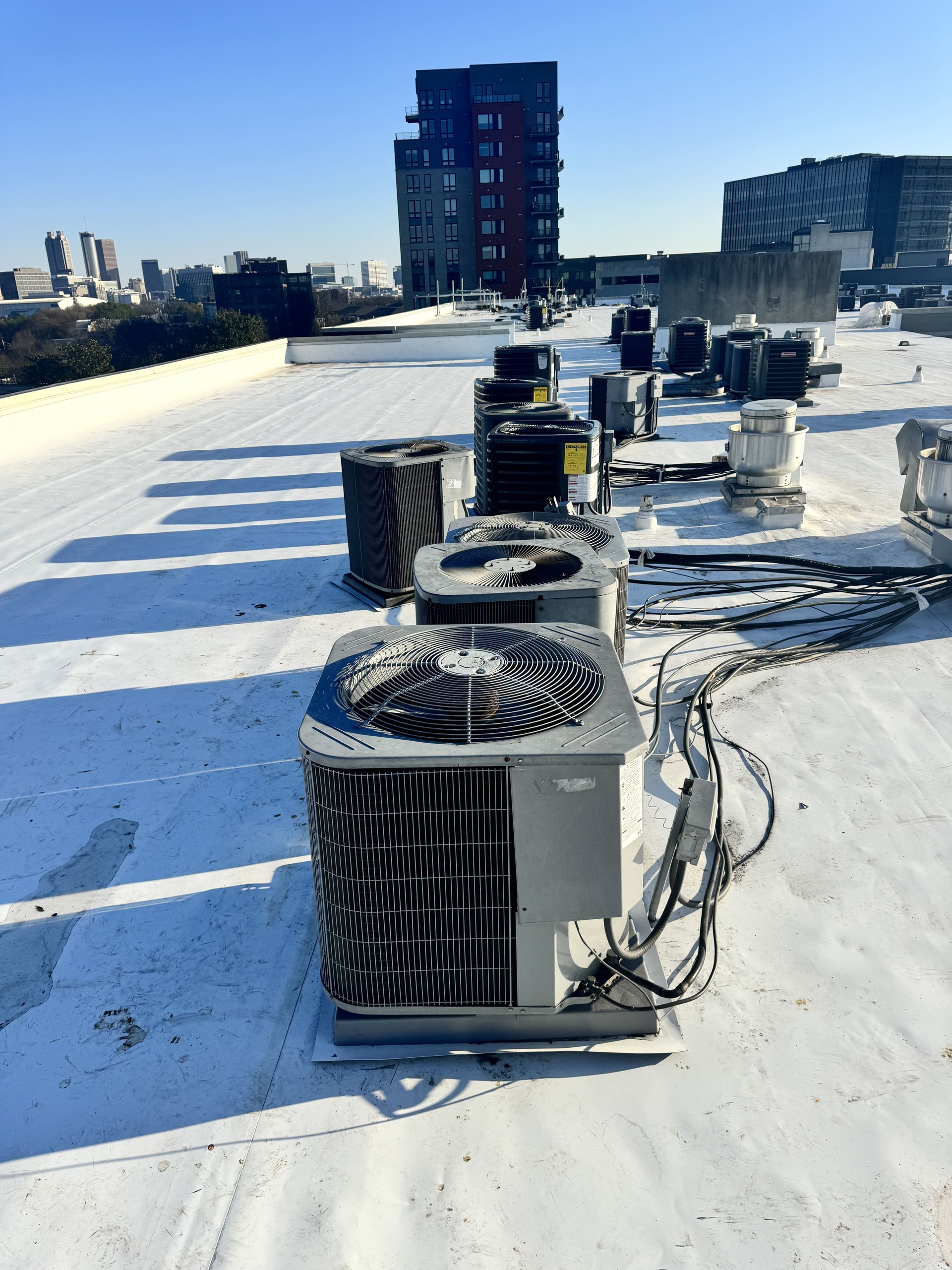
A large-scale commercial roof spanning a multi-story building, with clean tie-ins around every rooftop unit and a finish built to reflect heat and cut cooling costs.
No items found.
Stockbridge, GA
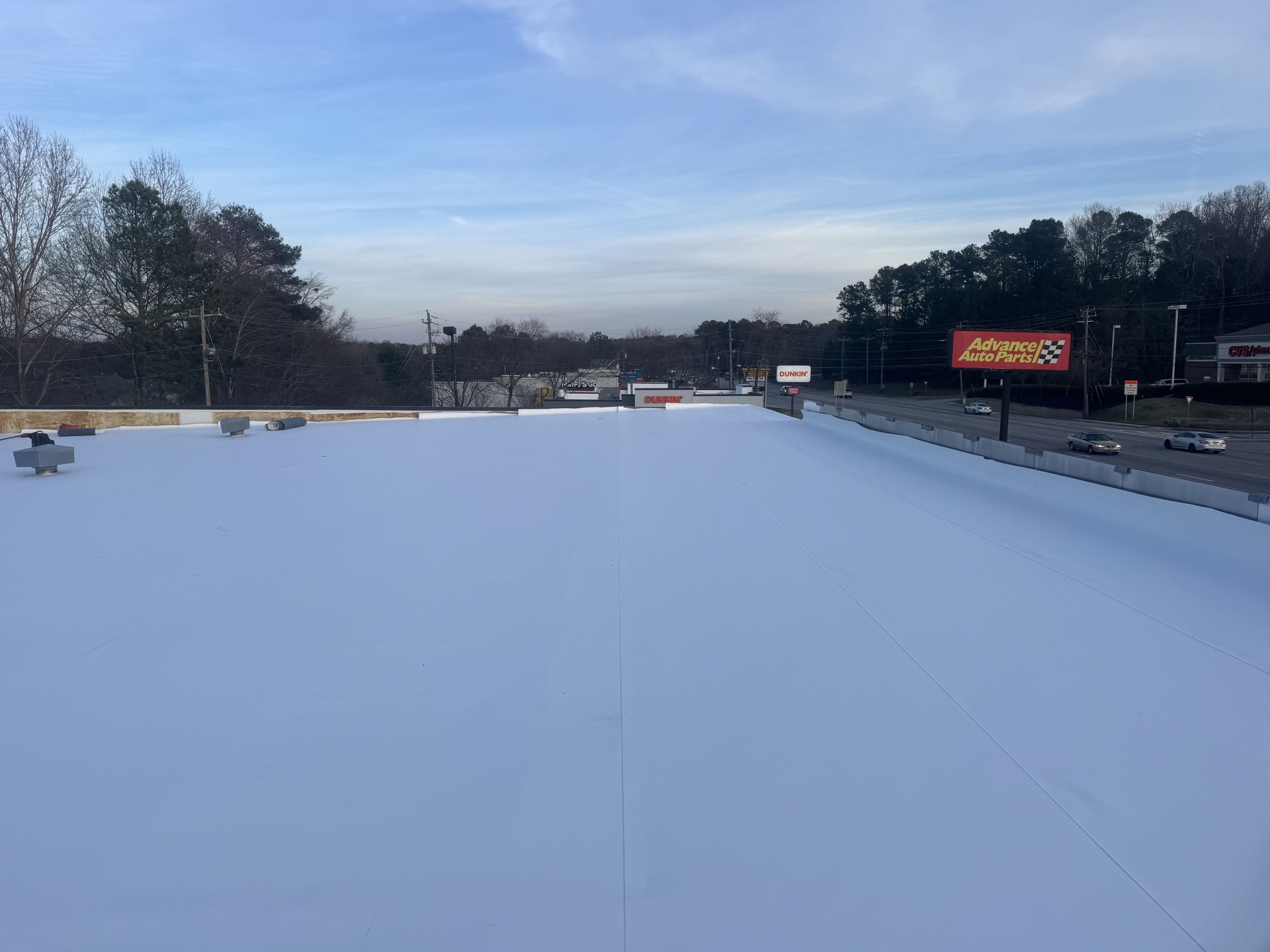
A completed roofing project for an Advance Auto Parts location, finished edge to edge with a smooth field and clean parapet work along a high-traffic corridor.
No items found.
Conyers, GA
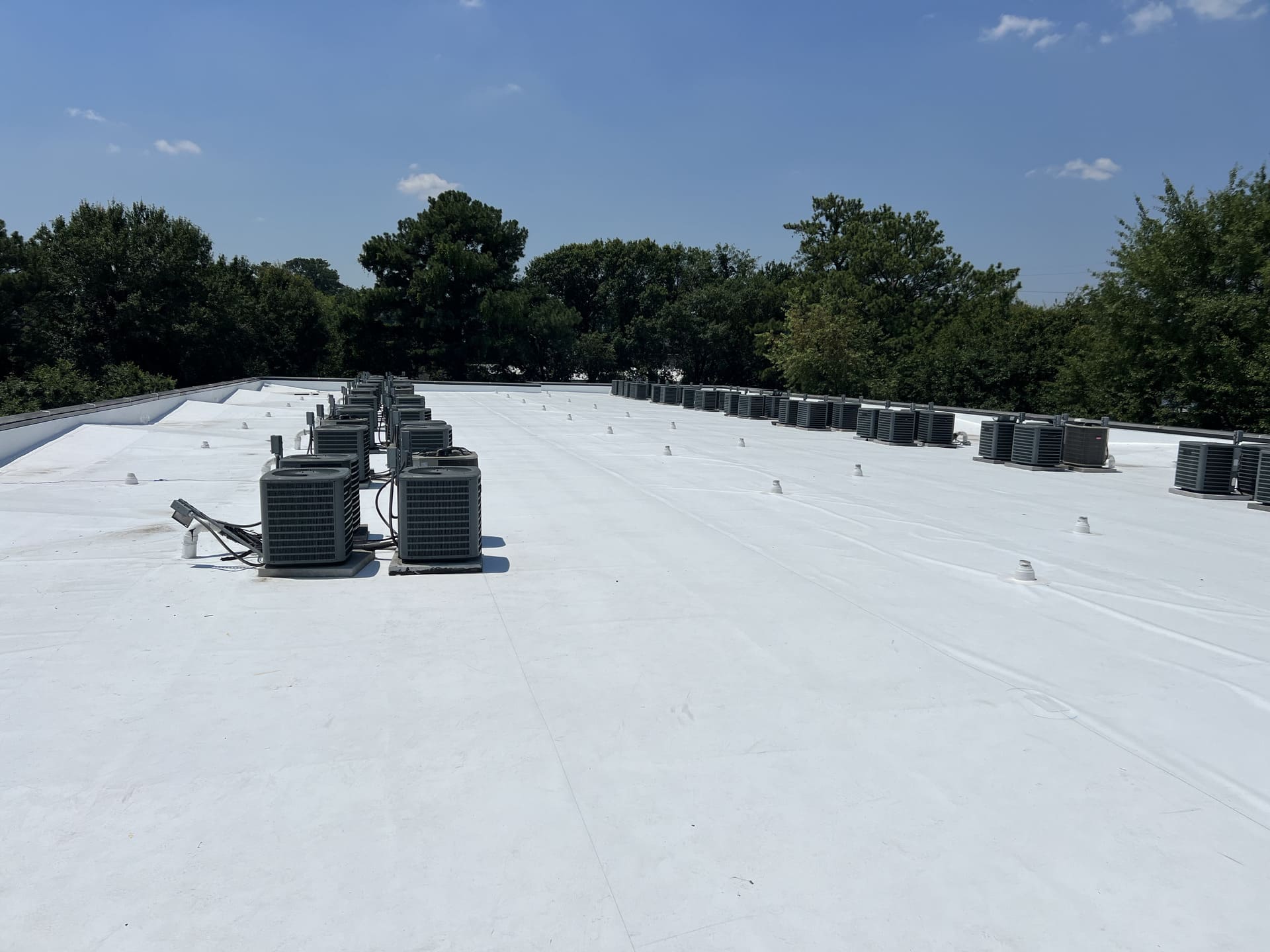
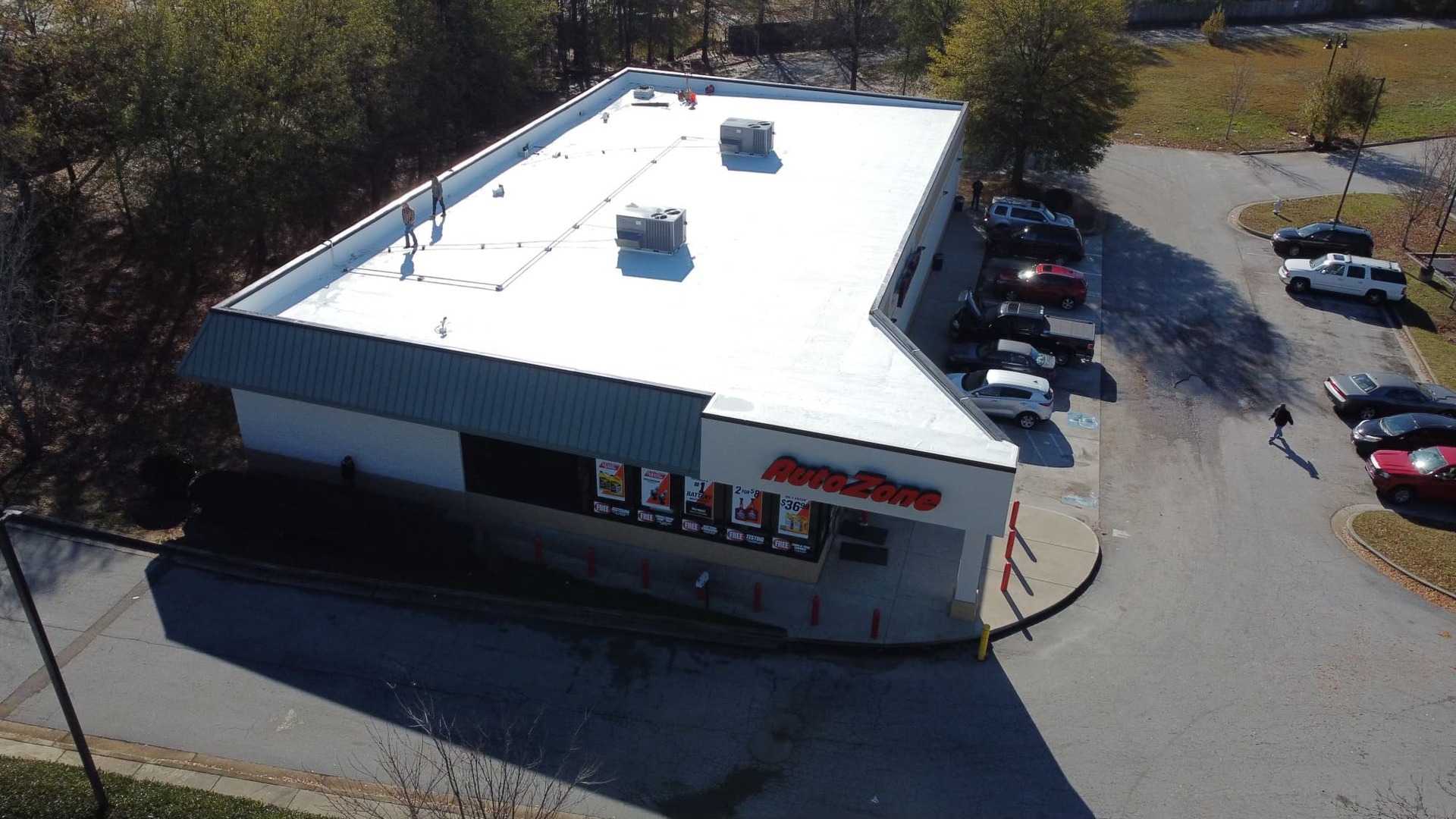
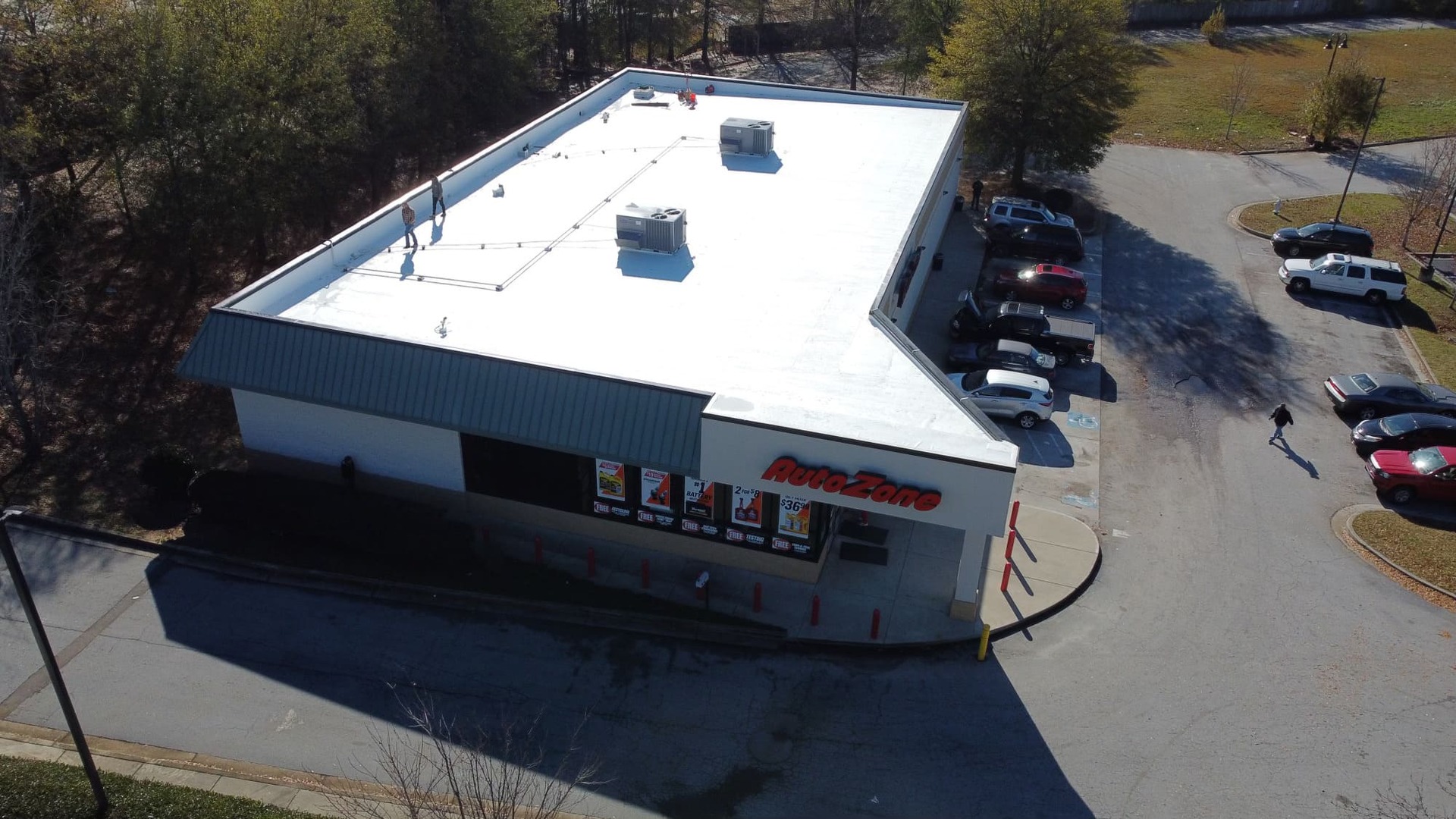
A bright white single-ply membrane roof on an AutoZone location, with clean tie-ins around each rooftop unit and a reflective surface that helps hold down cooling costs.
No items found.
Smyrna, GA
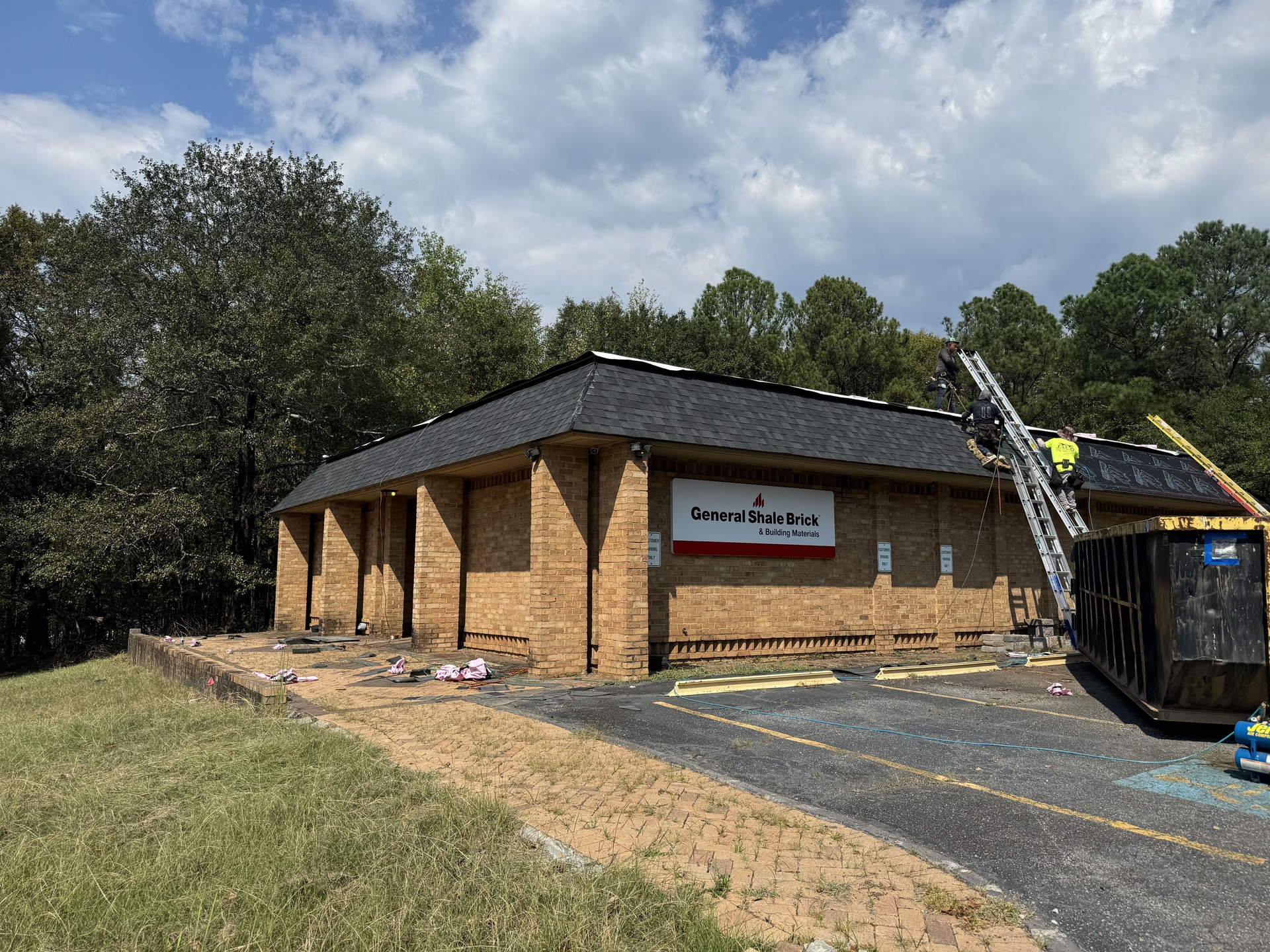
A re-roof on a brick sales office, with fresh dark shingles wrapping the mansard edge and a clean low-slope field behind it.
No items found.
Atlanta, GA
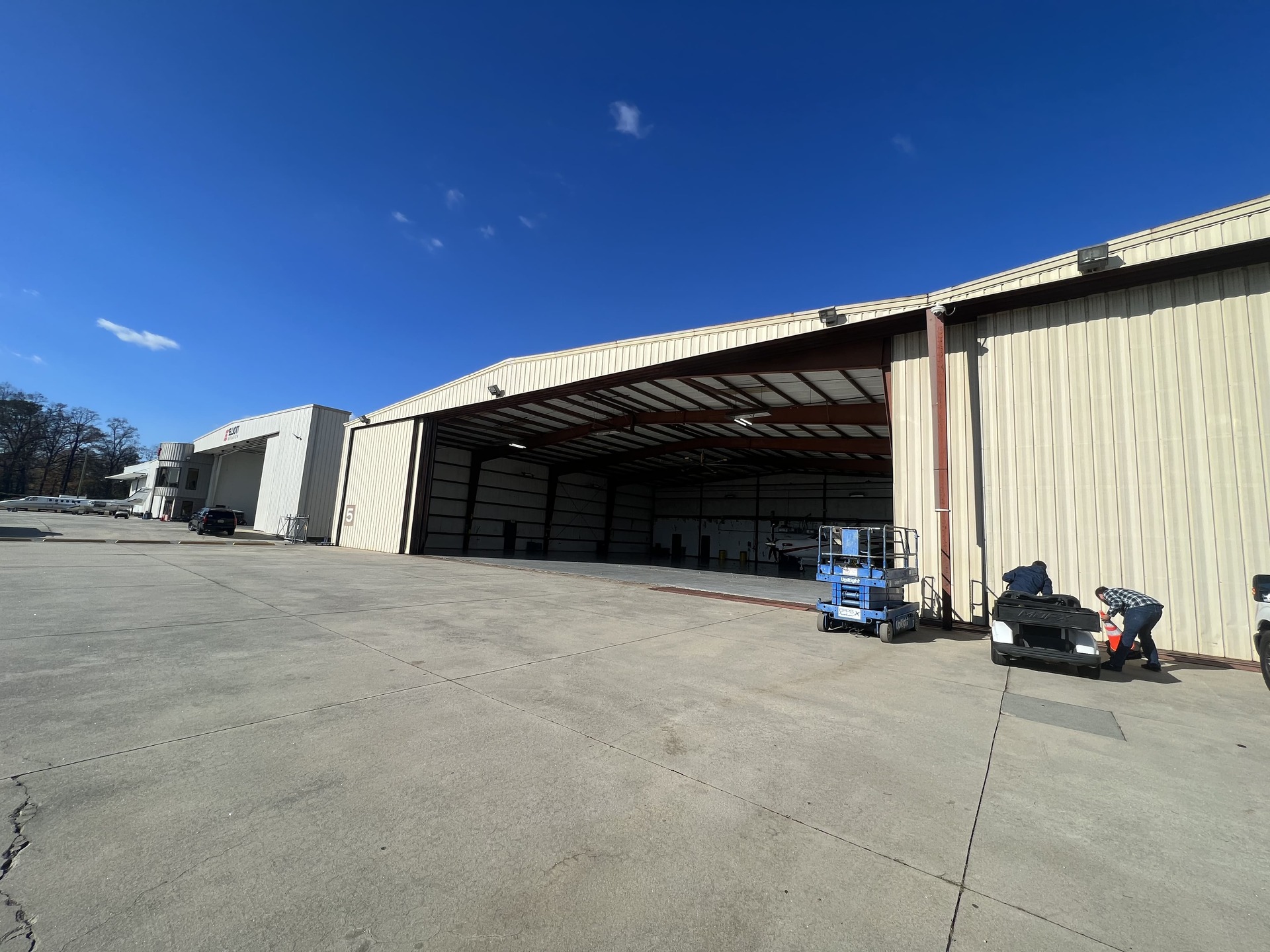
Ribbed metal panel roofs across a row of airport hangars, with long panel runs and a reflective silver finish from ridge to eave.
No items found.
Griffin, GA
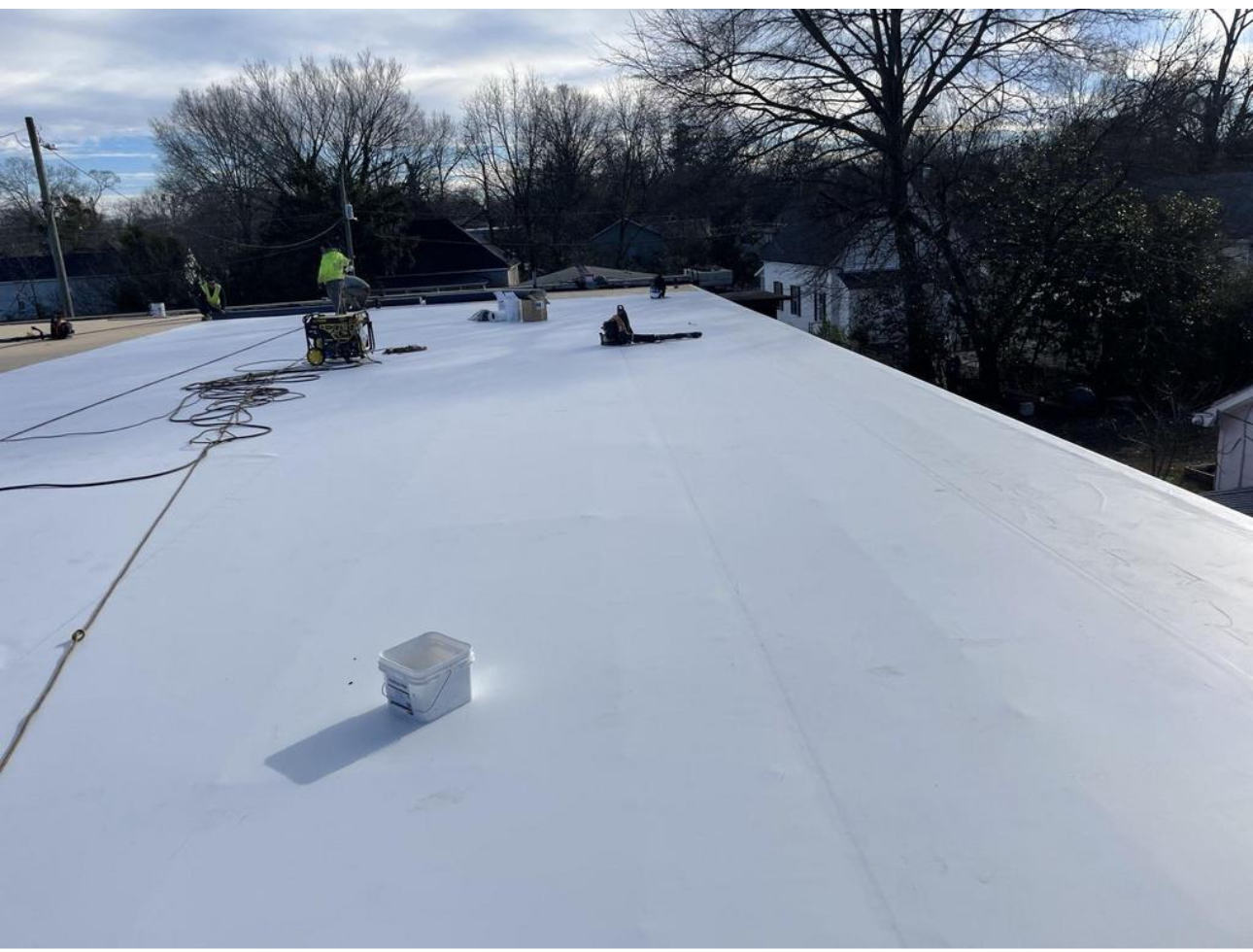
A tear-off and new white TPO membrane on a grocery store, replacing the worn low-slope roof with a clean, heat-welded field that reflects sunlight.
No items found.
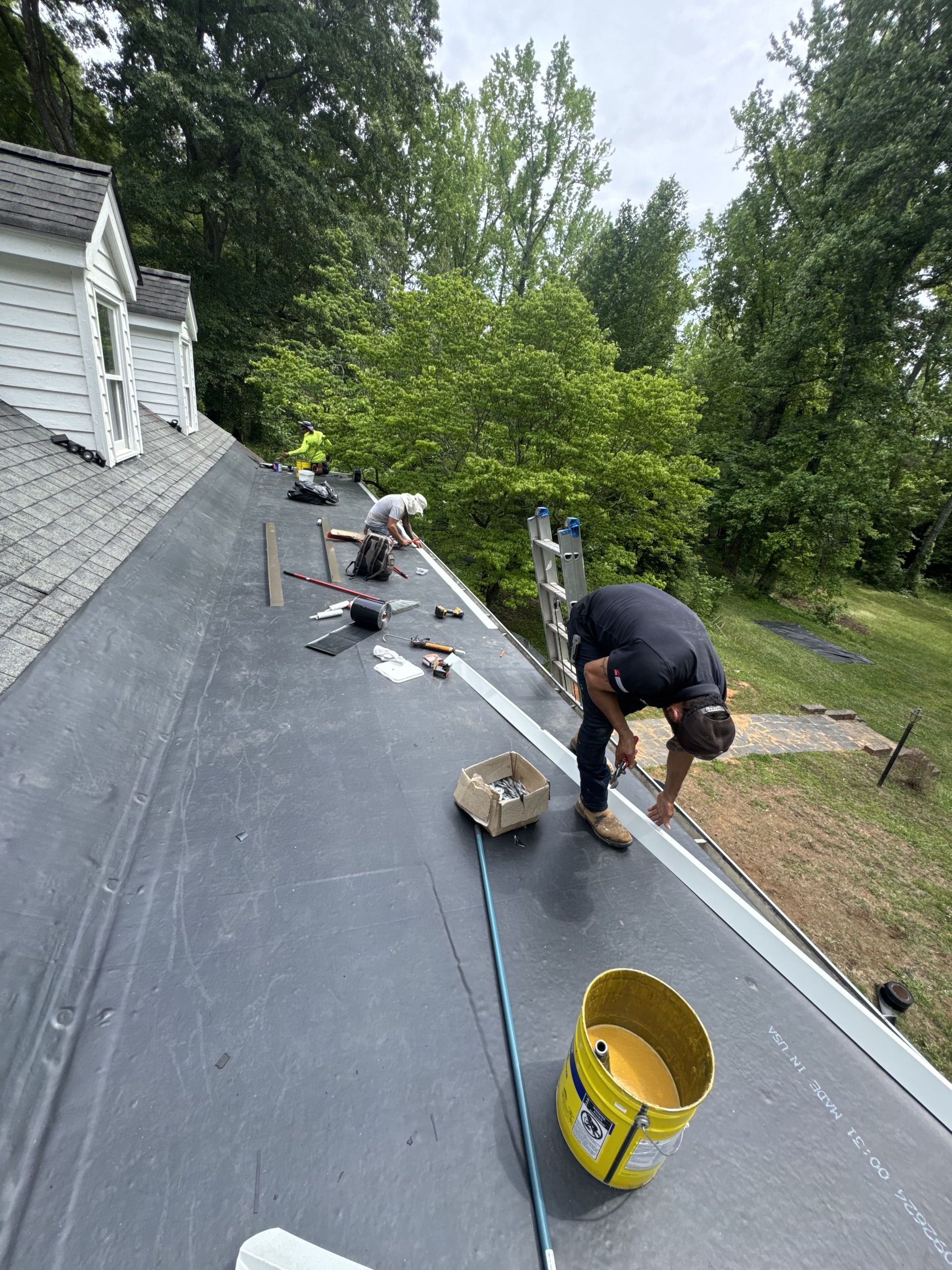
Atlanta, GA
A black EPDM rubber membrane on a low-slope porch roof, laid out flat with new metal edging and tied cleanly into the adjoining shingle roof.
No items found.
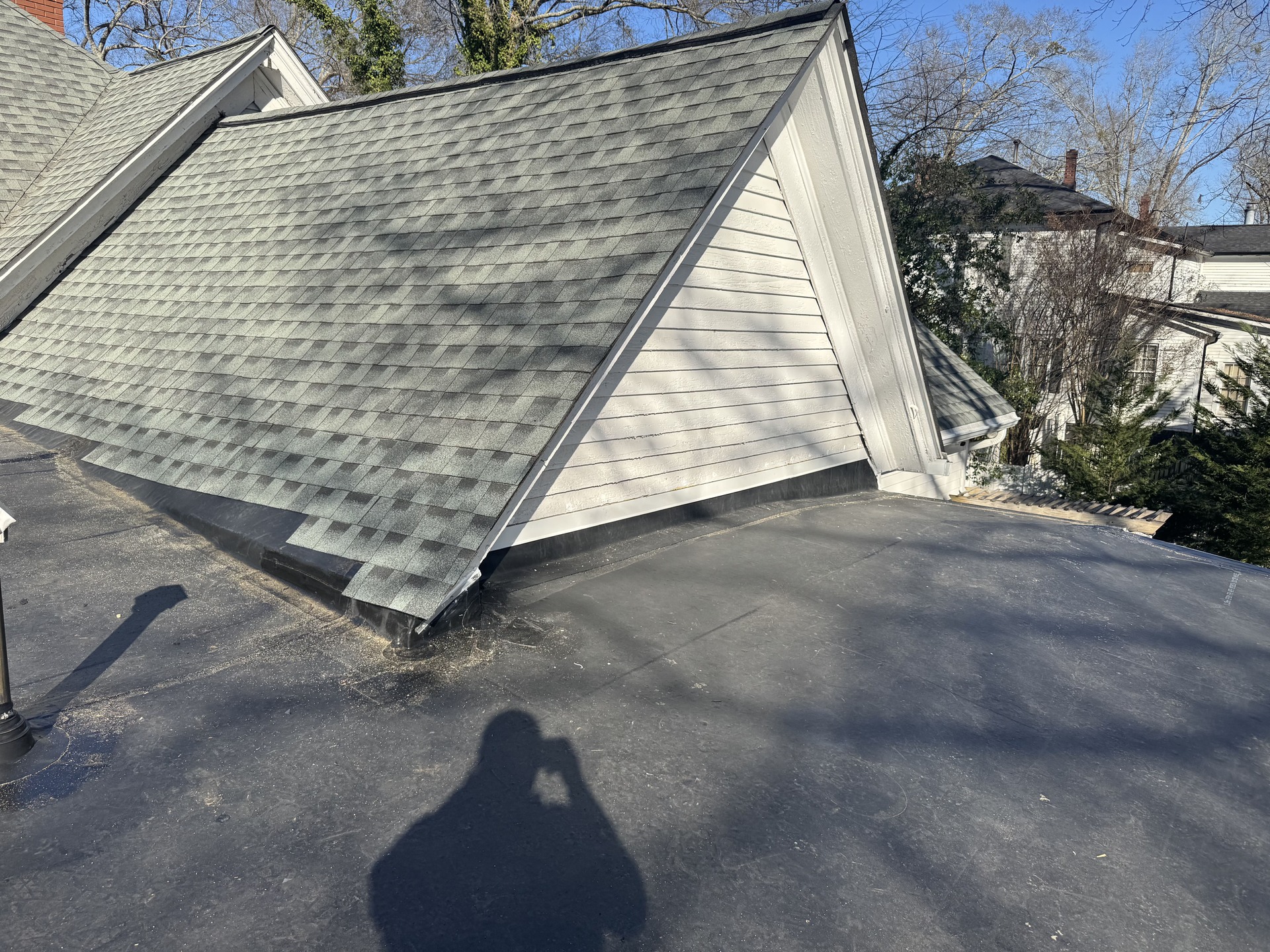
Covington, GA
A combination roof on a historic home, pairing gray architectural shingles on the steep slopes with a low-slope membrane across the flat section behind it.
No items found.
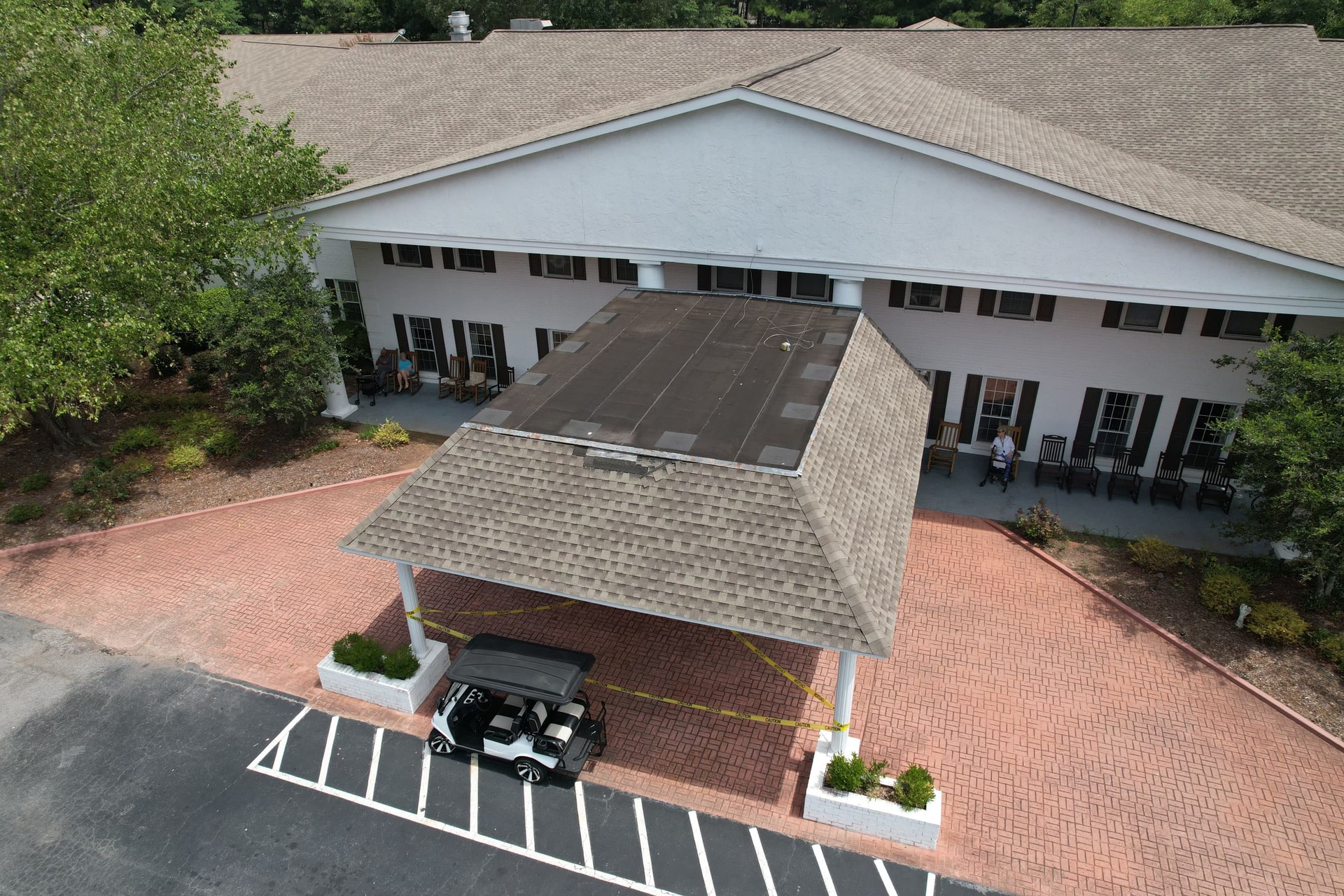
Loganville, GA
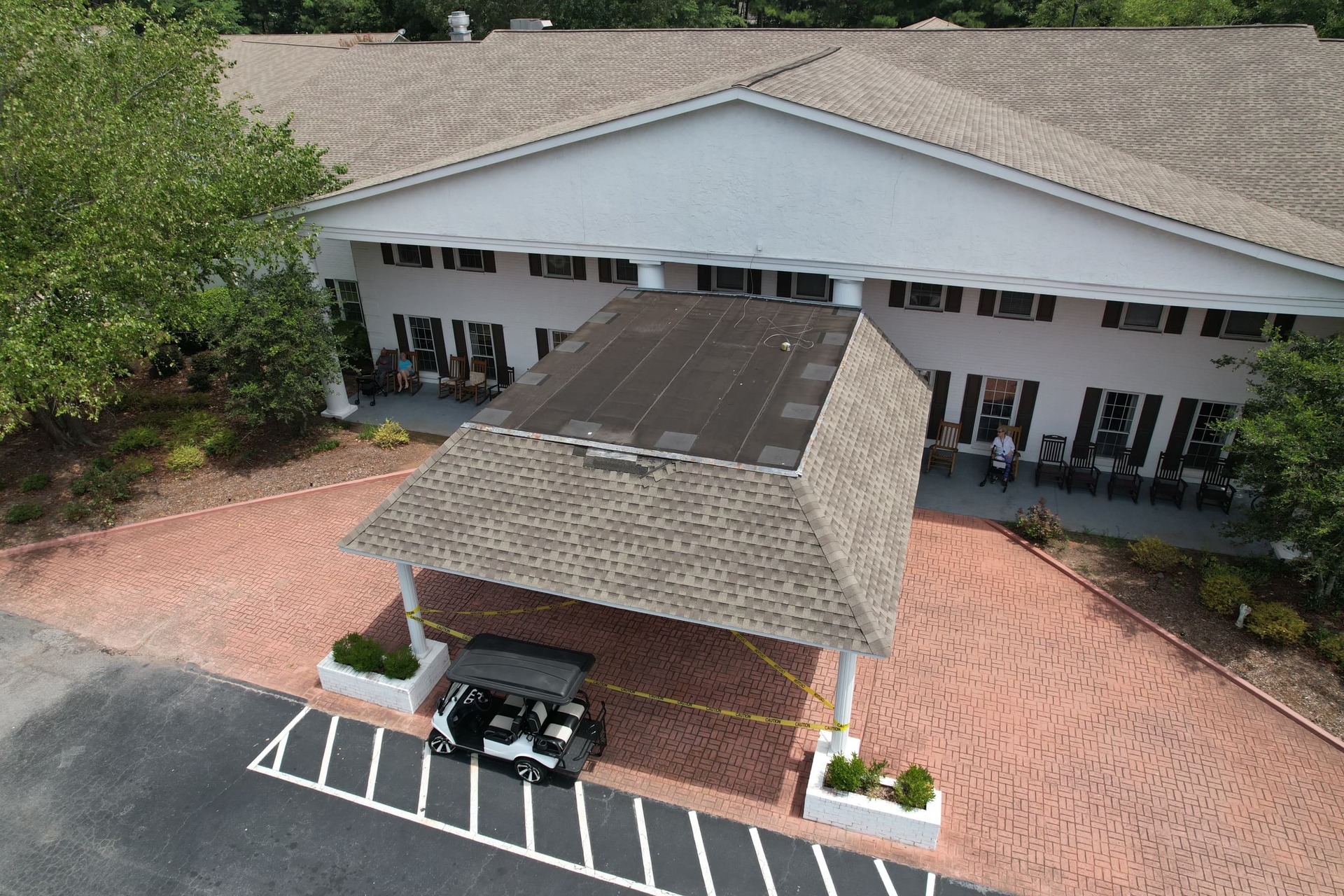
A wide shingled hip roof over a retreat facility, with a low-slope membrane covering the entry portico below.
No items found.
Griffin, GA
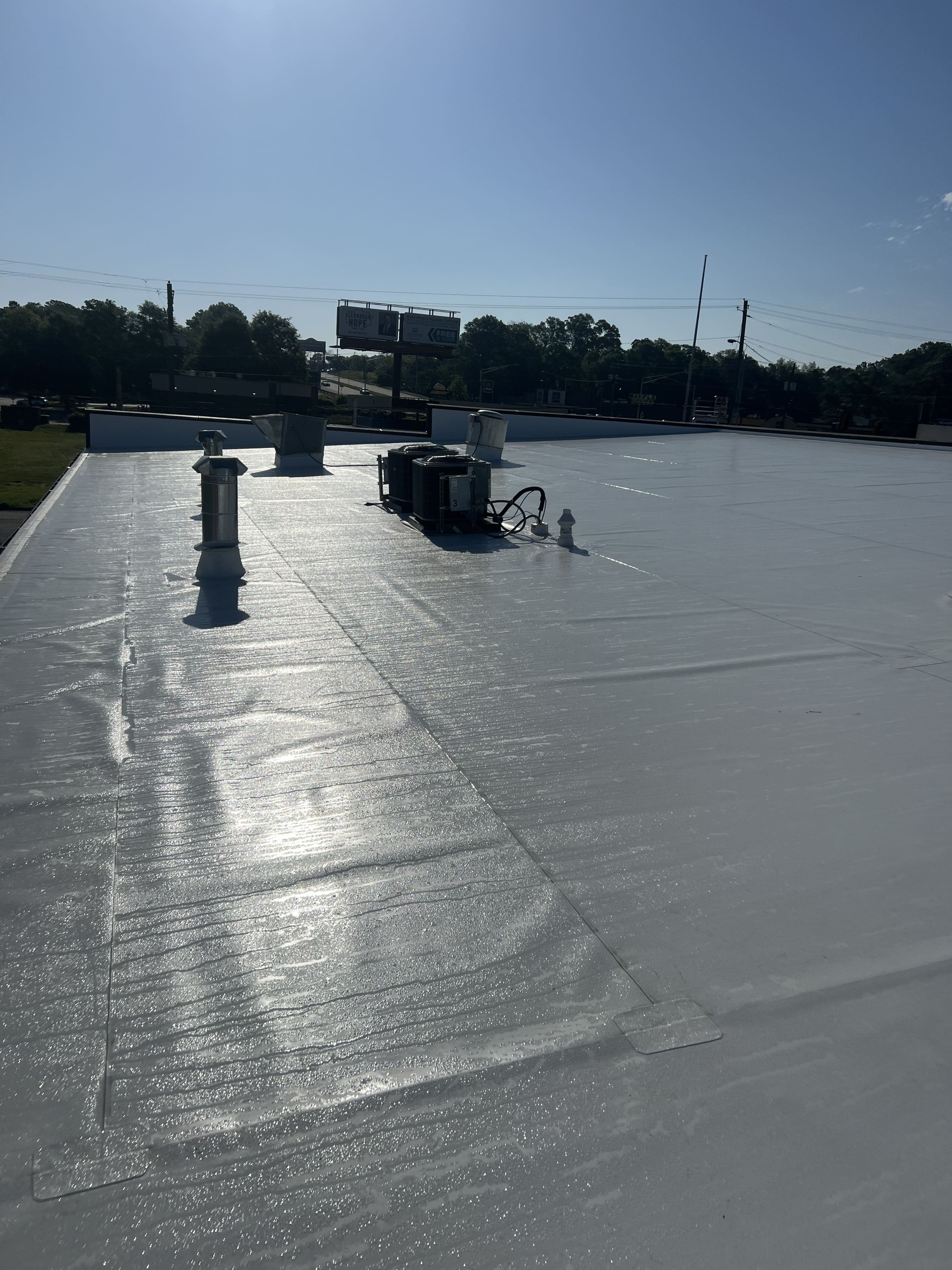
A new white TPO membrane across a retail building�s low-slope roof, with a wide-open field and clean edge details along a busy commercial strip.
No items found.
Conyers, GA
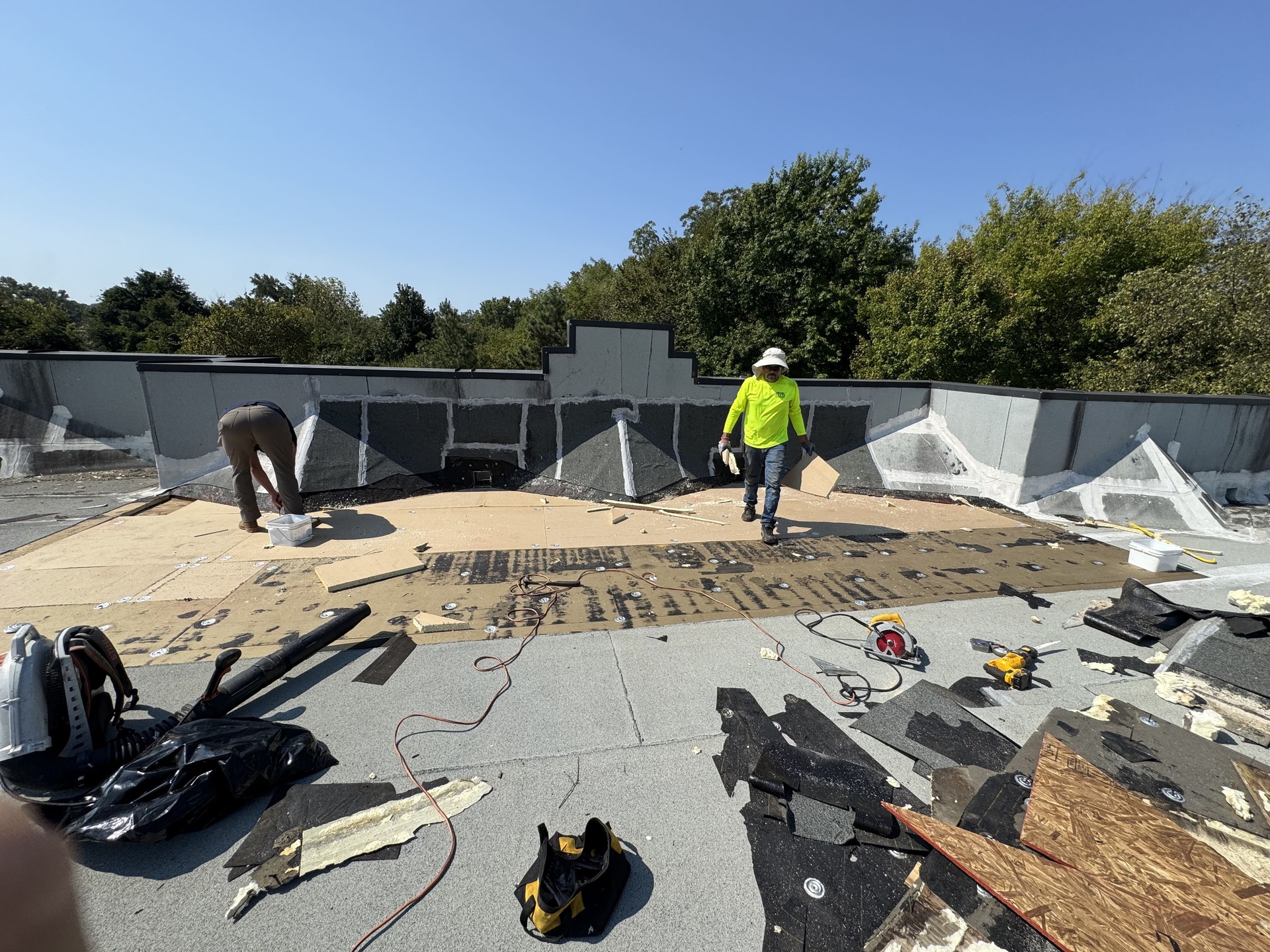
A repair on the Rockdale Chamber of Commerce�s low-slope roof, opening up the field to replace damaged decking before reflashing the parapet walls.
No items found.

College Park, GA
A new TPO roof on a roll-off facility, with fastened insulation board across the deck and membrane staged for a clean low-slope install.

No items found.
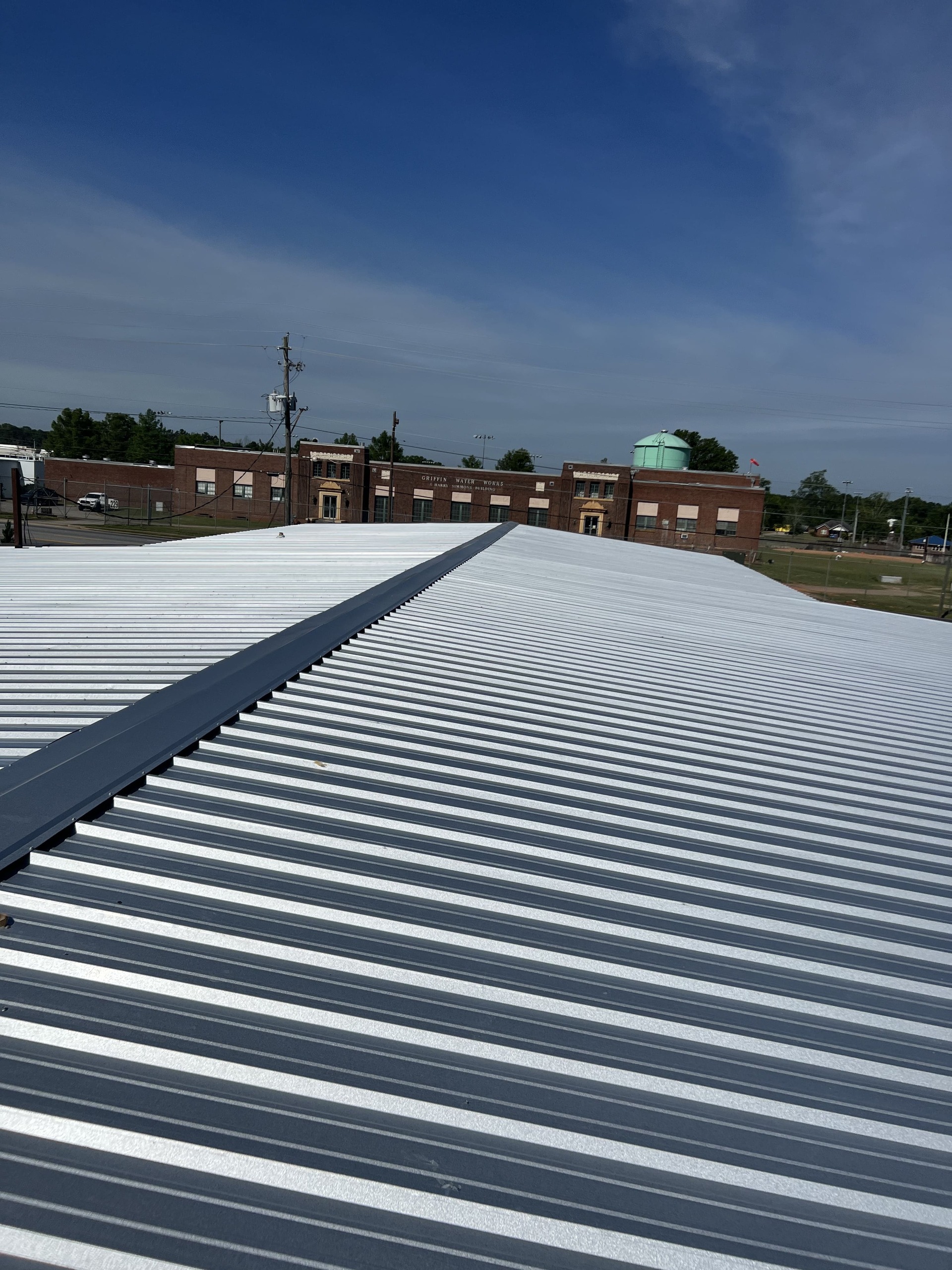
Griffin, GA
A ribbed metal panel roof on the Salvation Army building, with long silver panel runs across a broad low-slope expanse.
No items found.
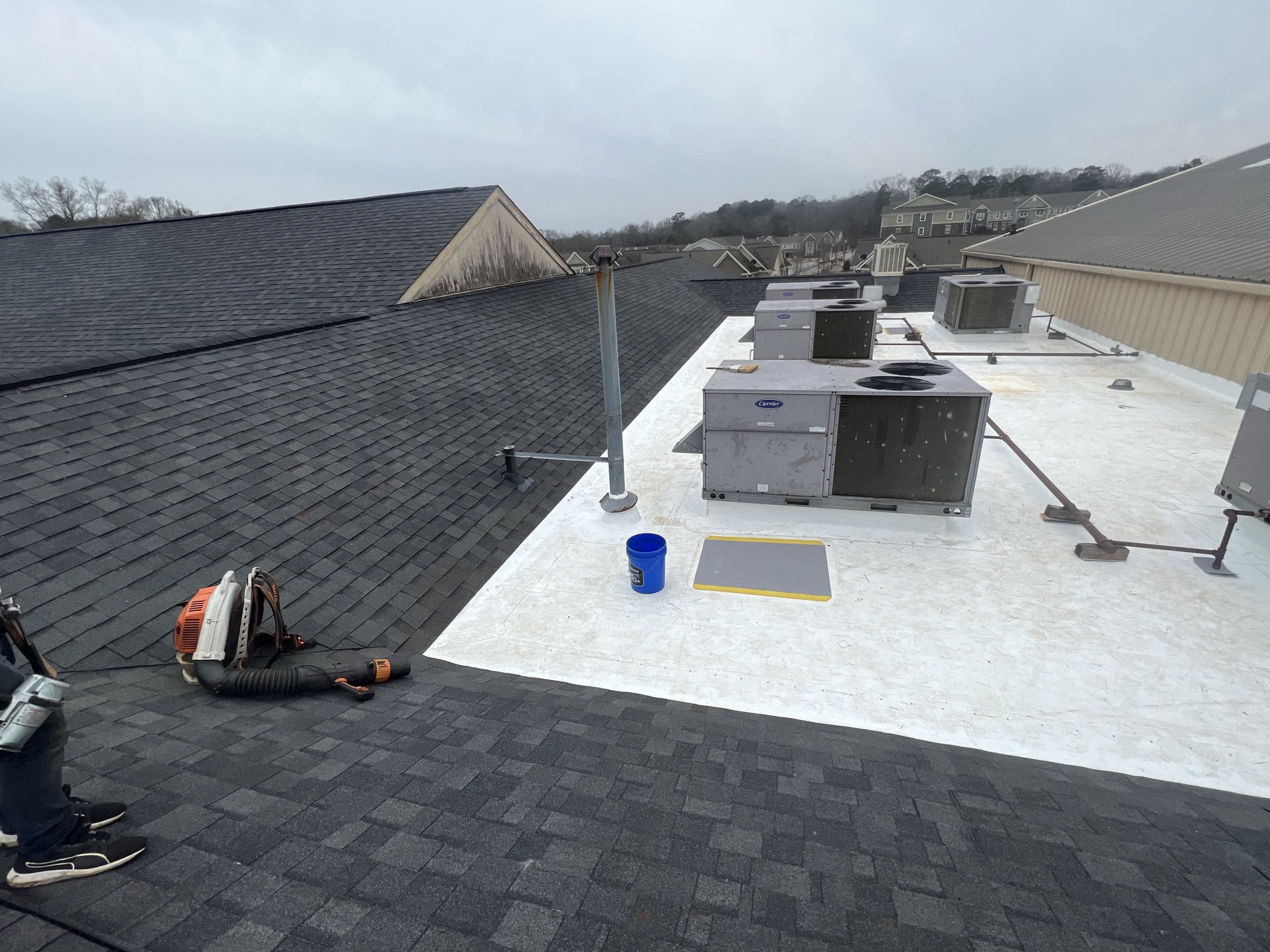
Griffin, GA
A combination reroof on the Salvation Army building, pairing dark architectural shingles on the slopes with a white membrane field around the rooftop units.
No items found.
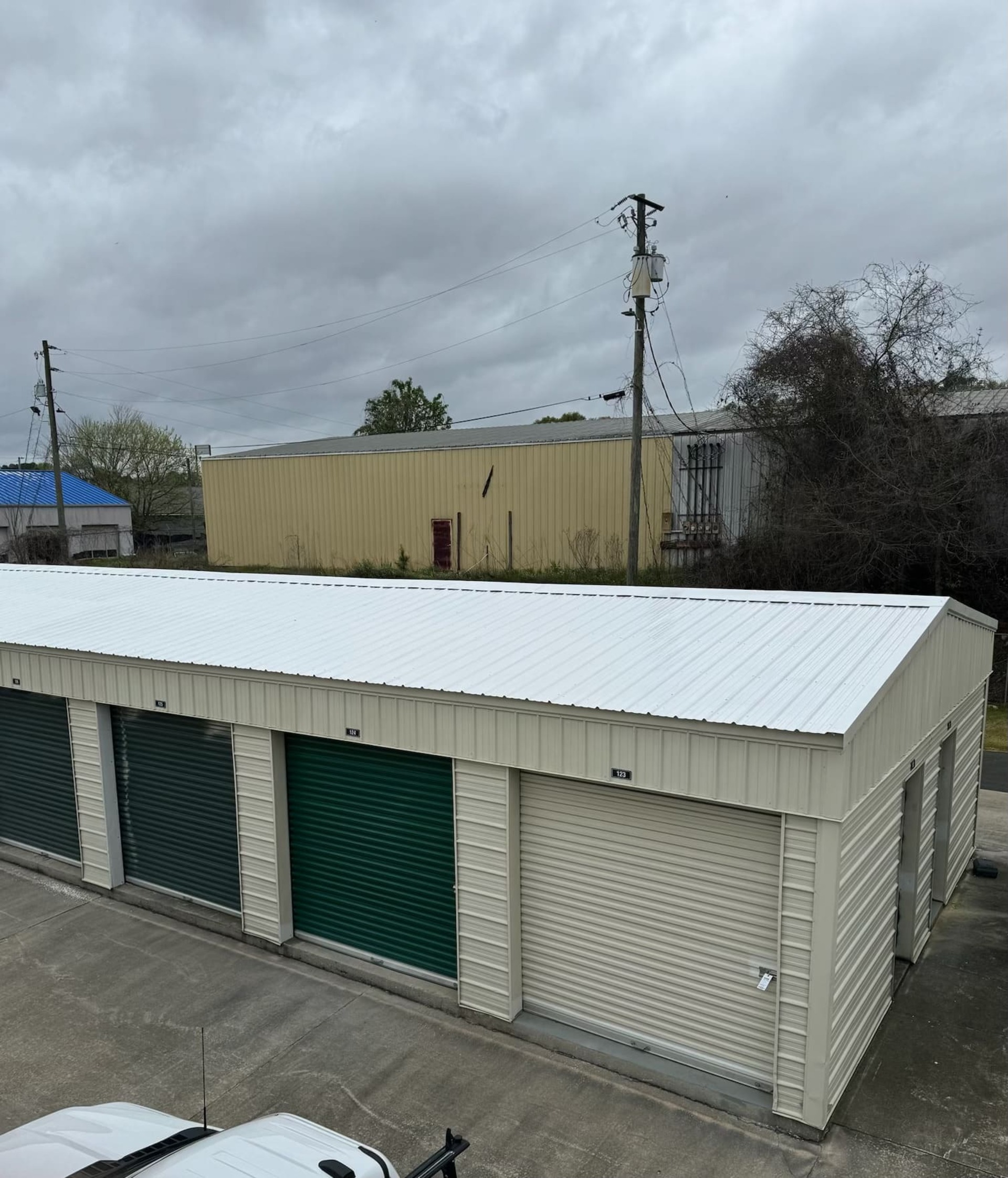
Covington, GA
A reflective white coating over the metal roofs of a self-storage facility, sealing the panel seams and brightening a long run of buildings.
No items found.
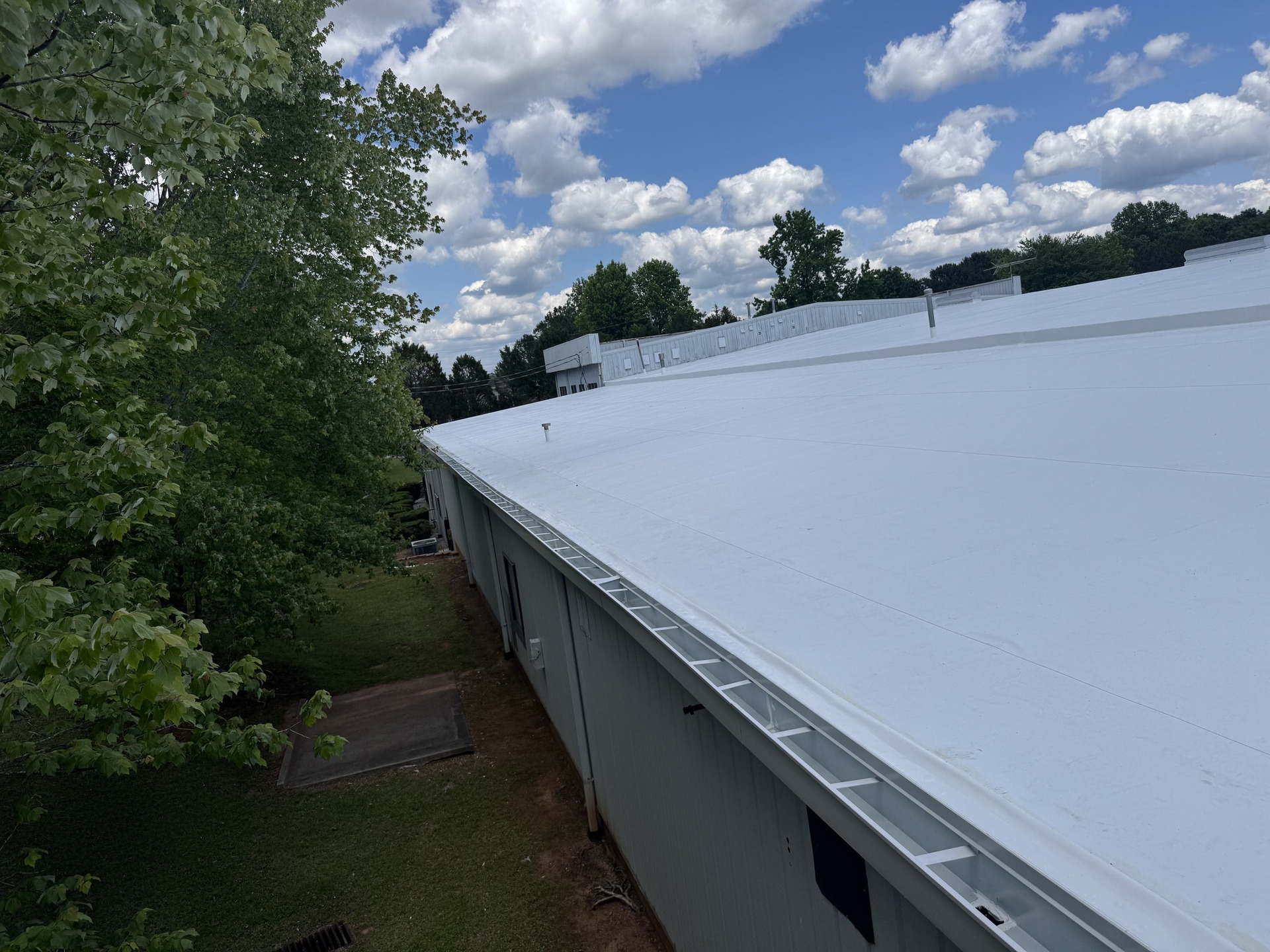
Newnan, GA
A white membrane retrofit over a long industrial building, laid across a wide low-slope expanse with new perimeter edge metal.
No items found.
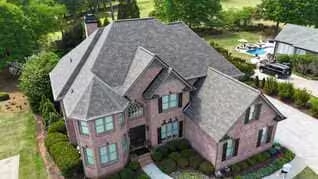
Monroe, GA
A warm weathered-gray shingle roof flowing over gabled peaks and a turret � texture and dimension that bring a brick home to life.
No items found.
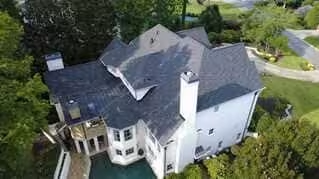
Alpharetta GA
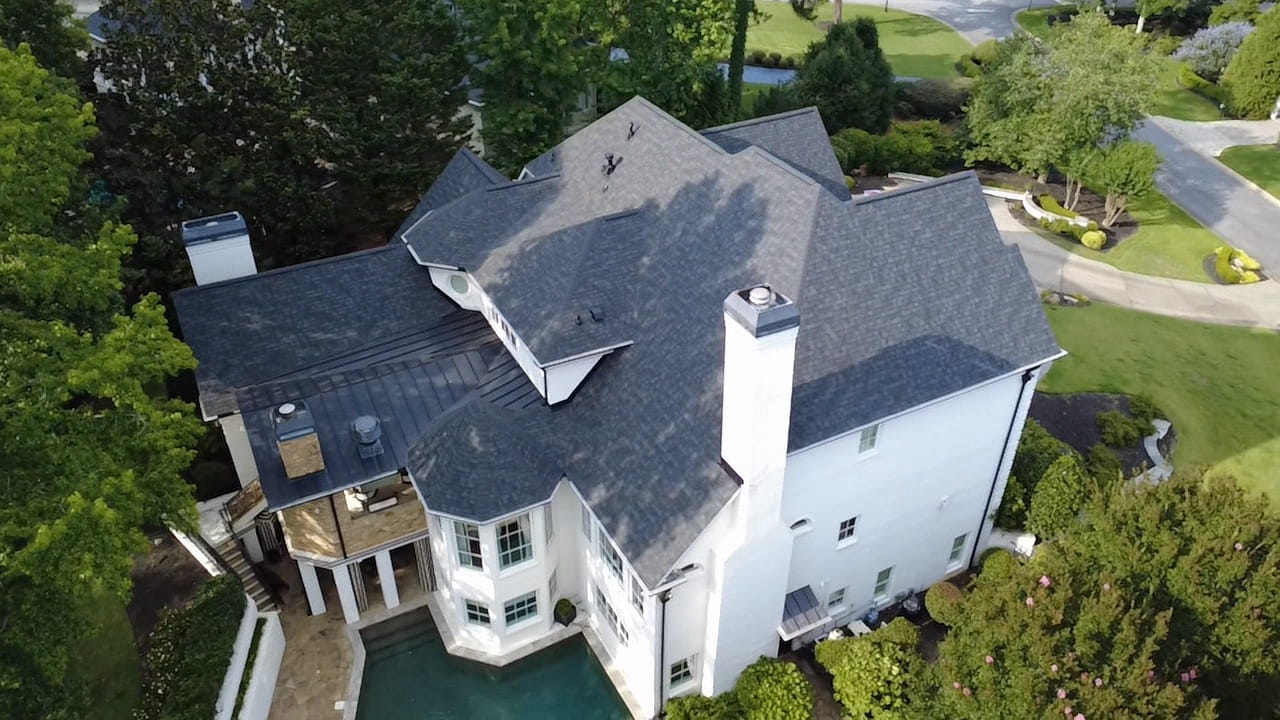
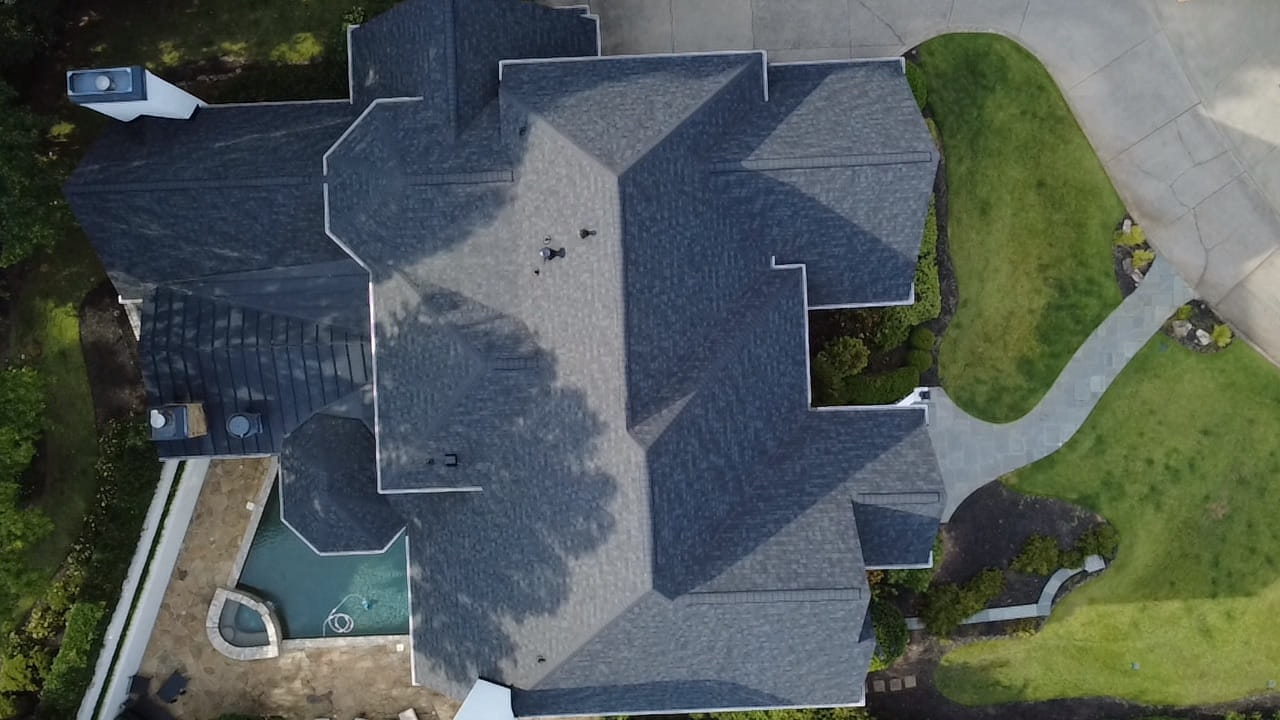
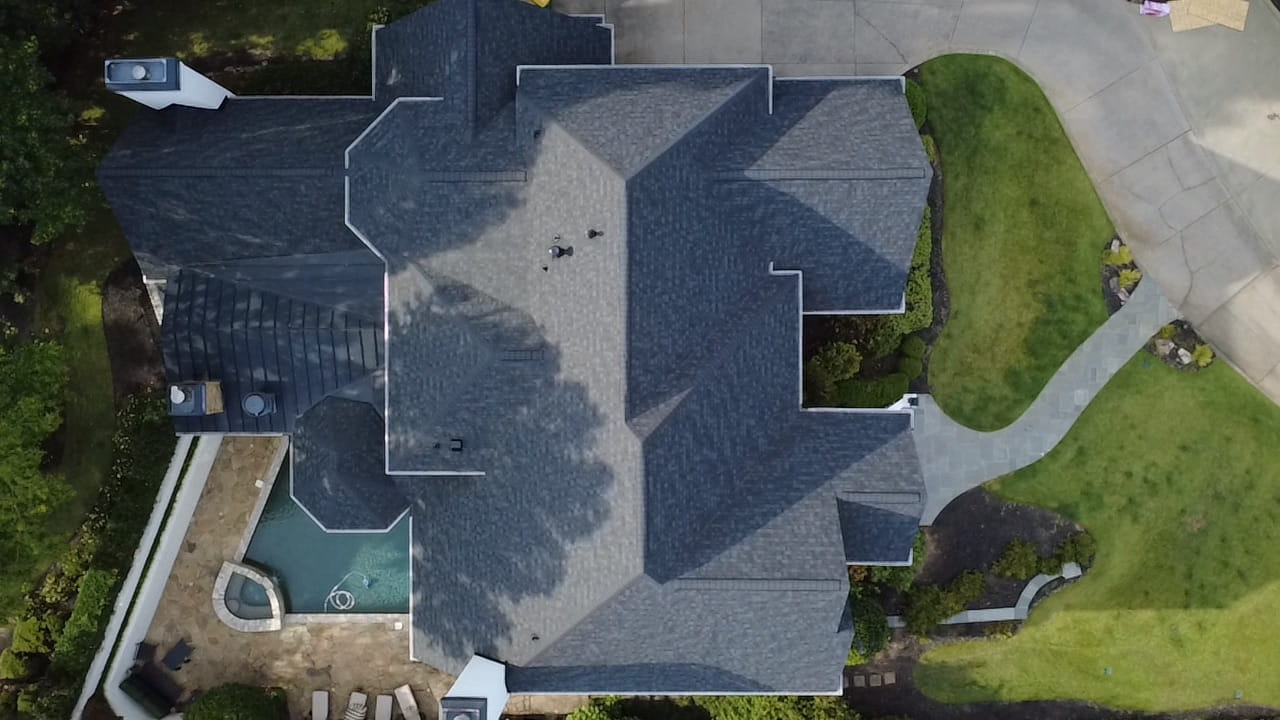
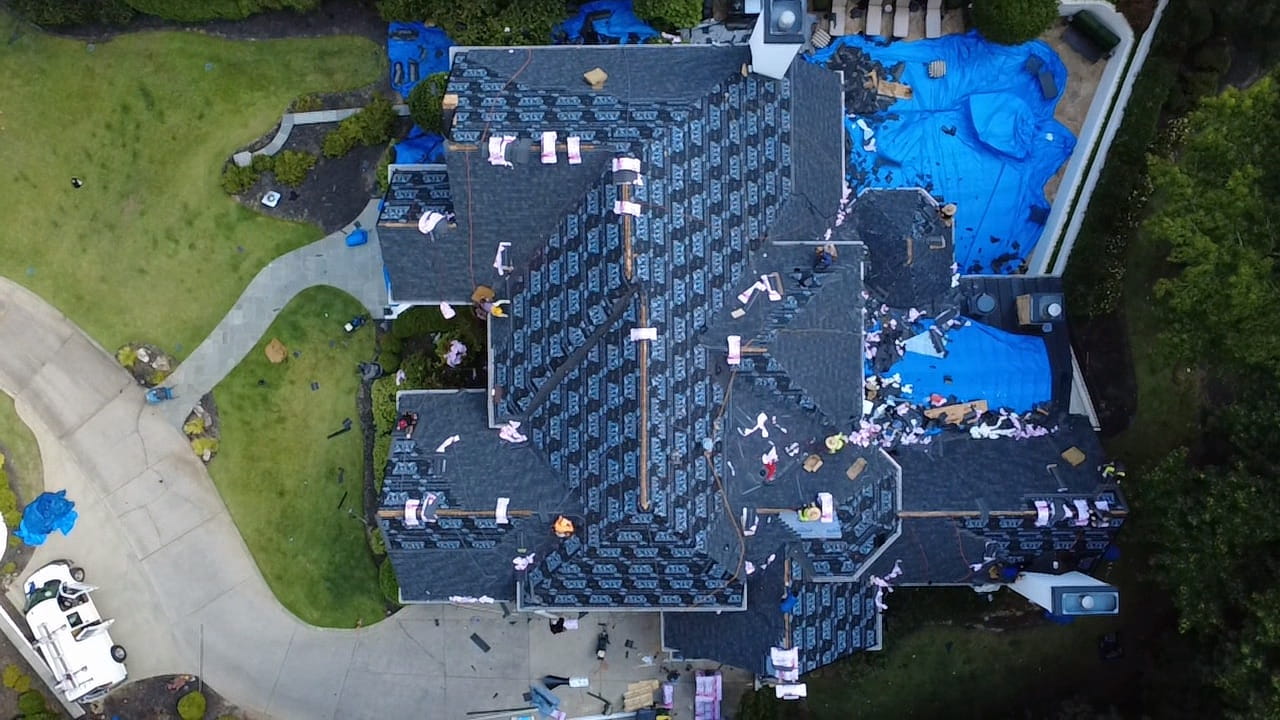
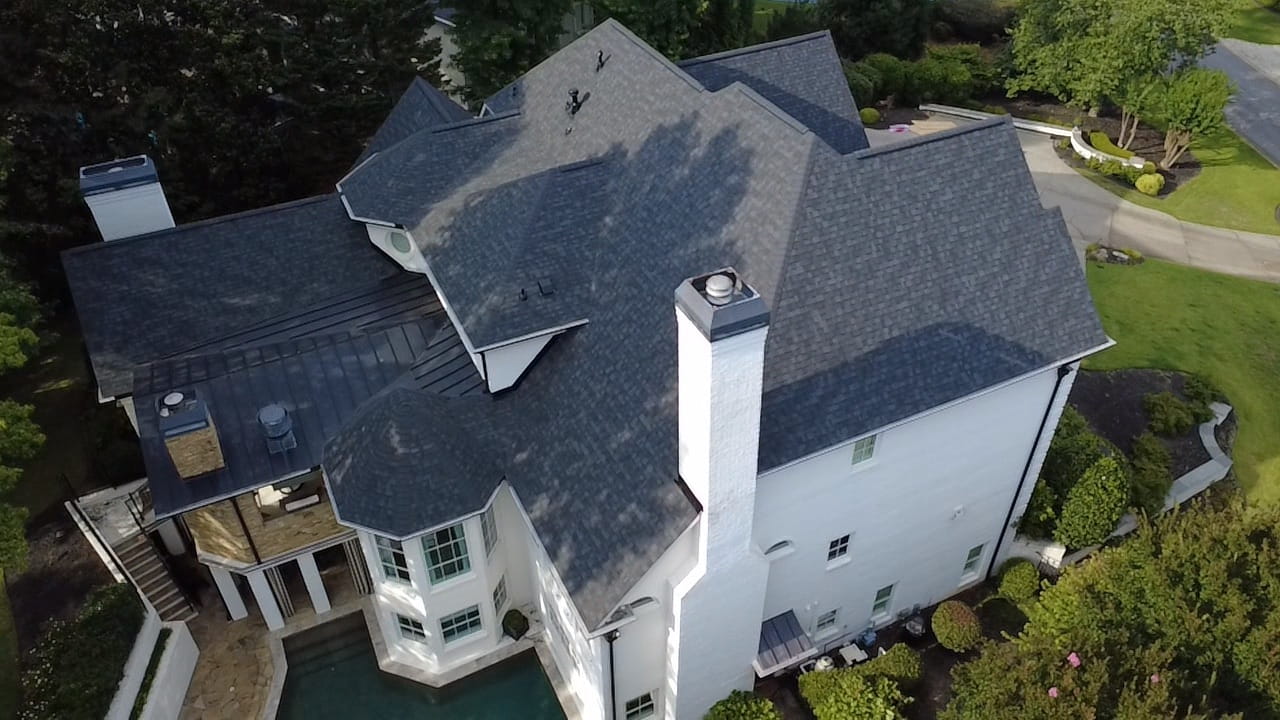
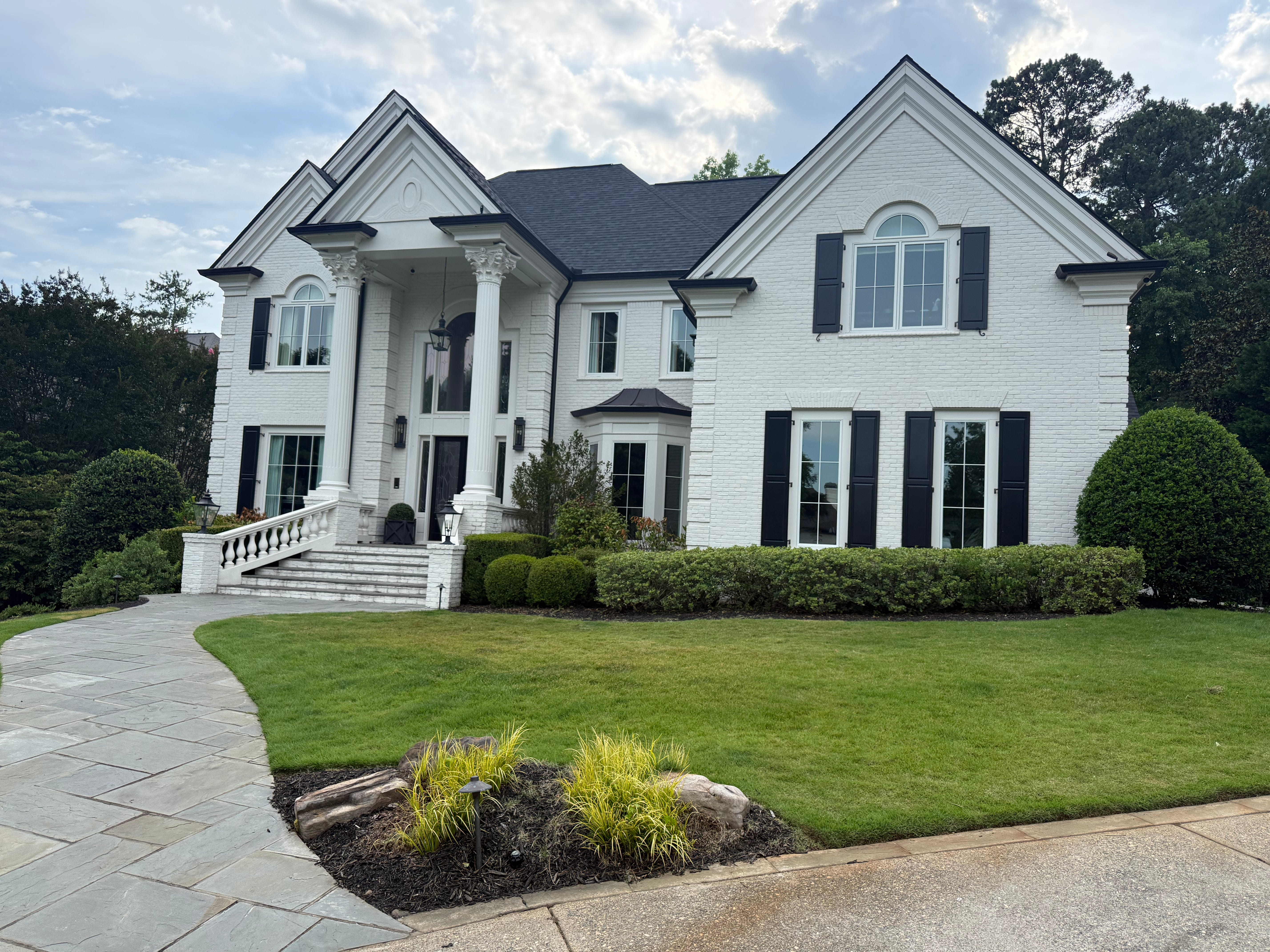
A sophisticated gray shingle roof accented with standing-seam metal � a layered, architectural look that elevates an estate home.
No items found.
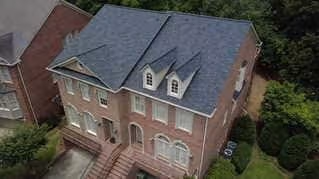
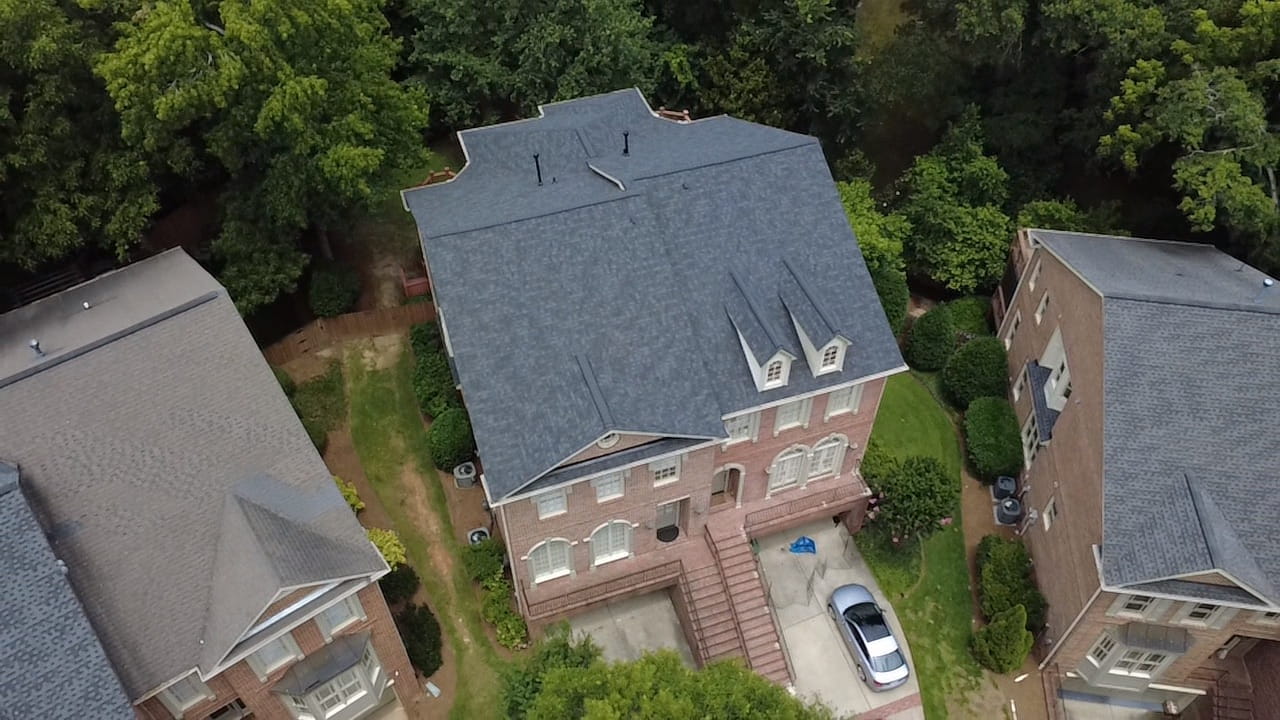
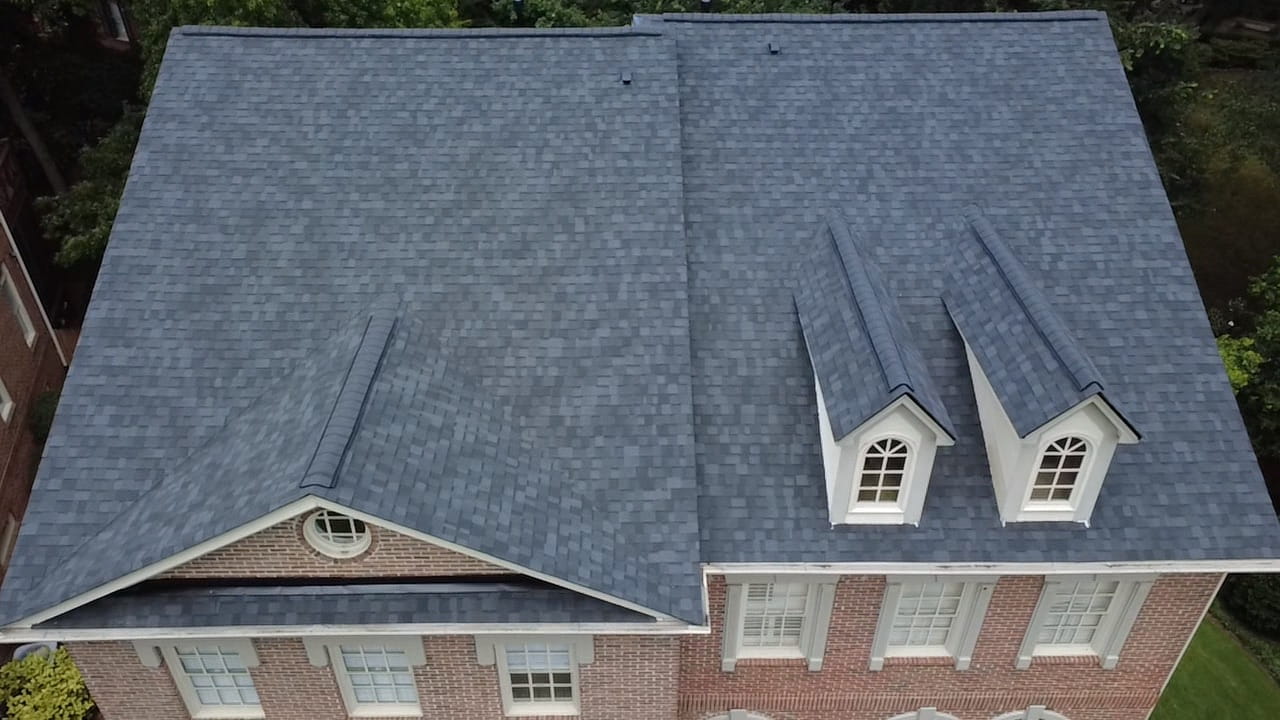
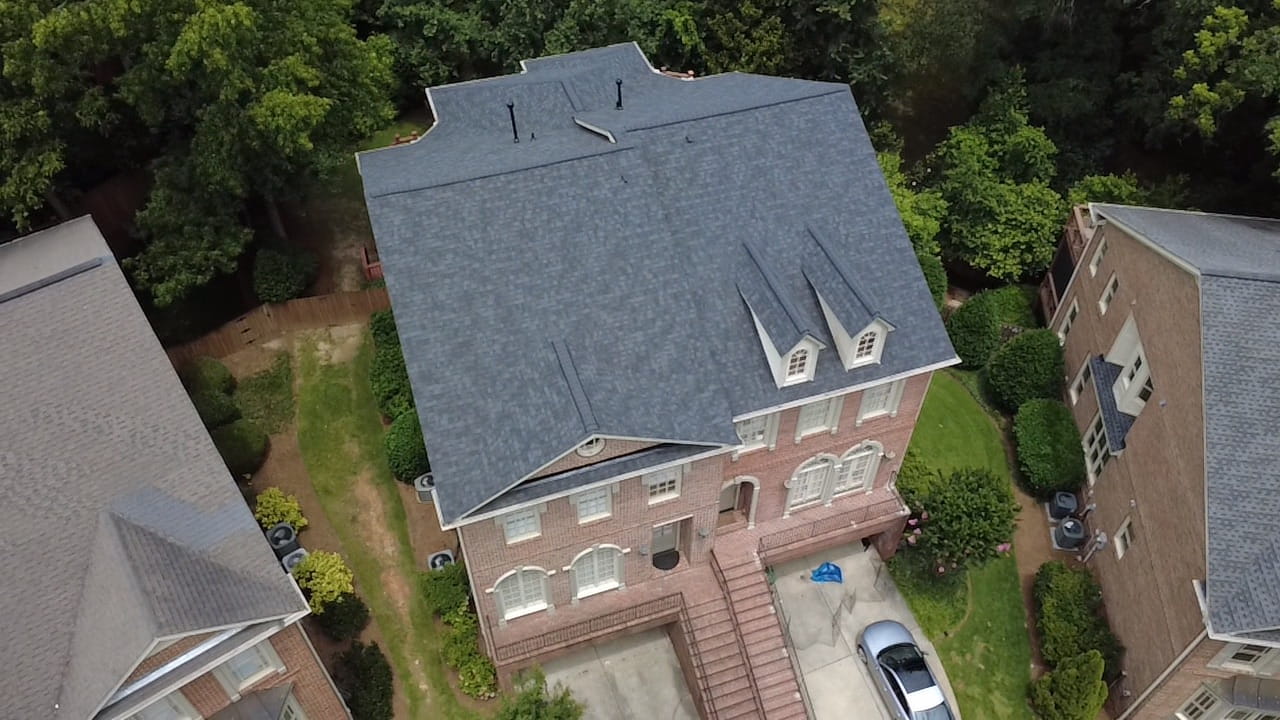
Atlanta, GA
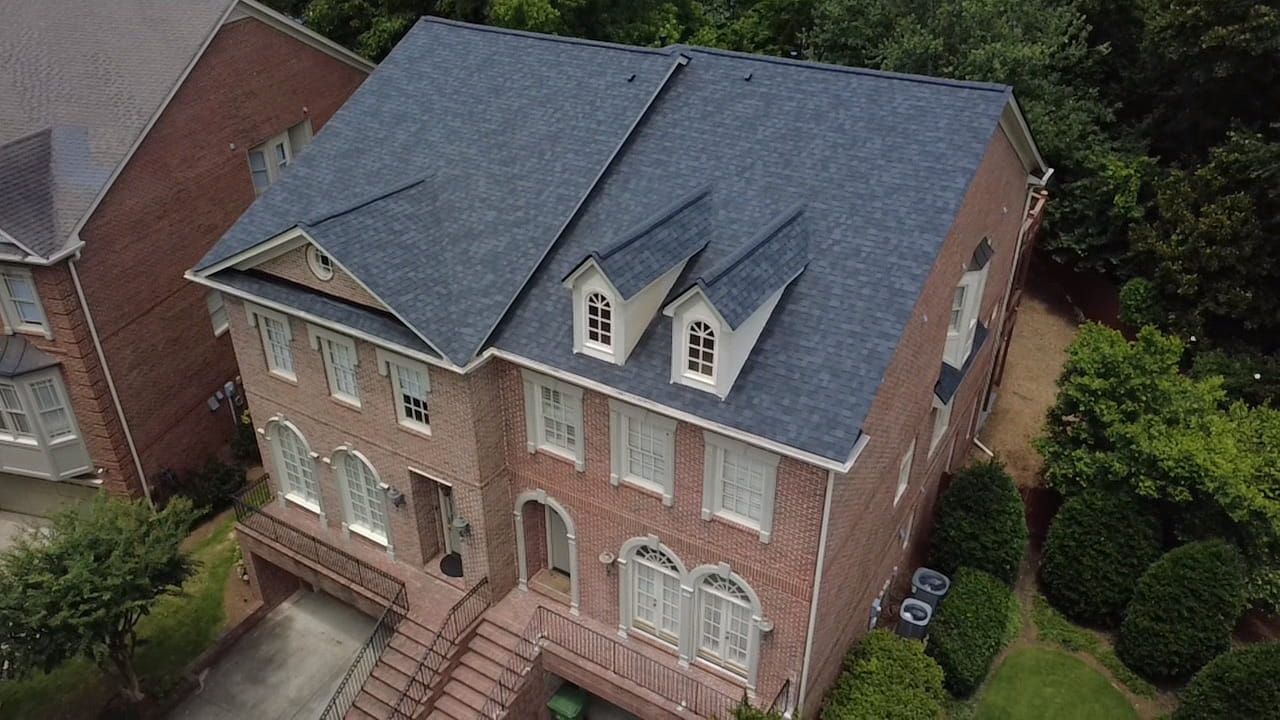
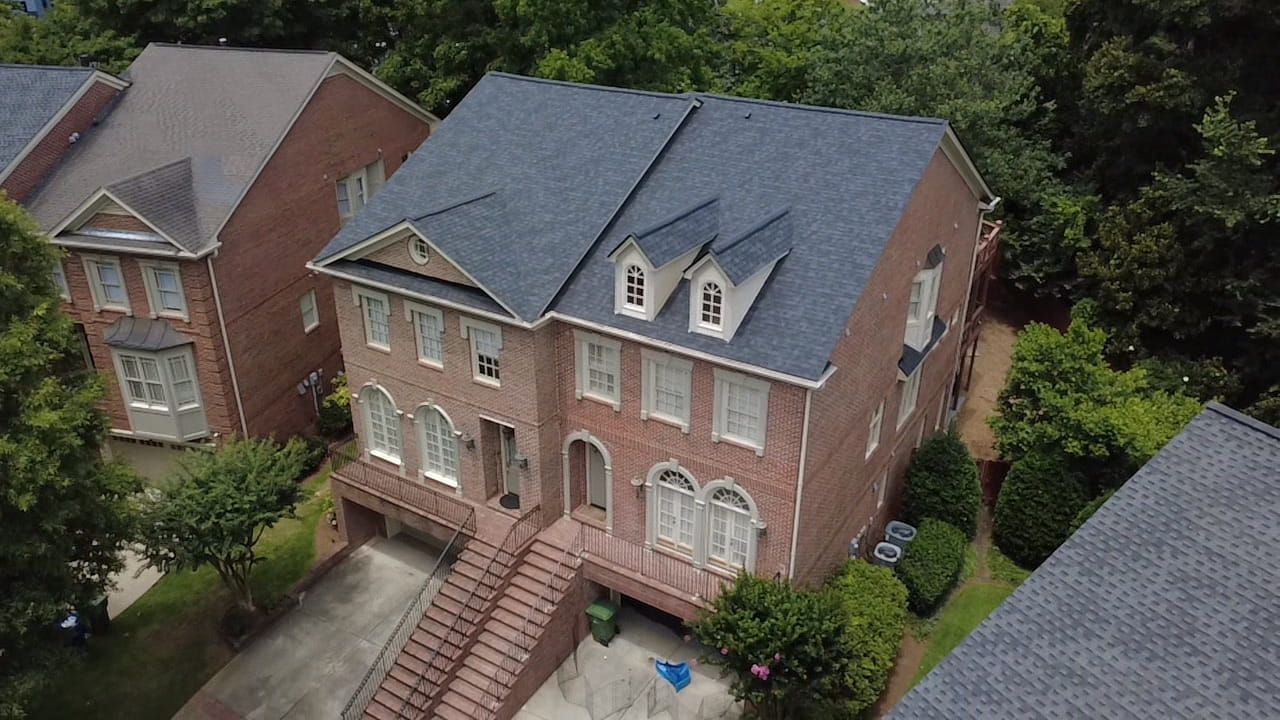
A refined slate-gray shingle roof crowning a stately brick colonial � clean gable lines and timeless curb appeal built to endure.

No items found.
Monroe, GA
Owens Corning Oakridge | Driftwood
A warm Driftwood-toned roof replacement in Monroe, Georgia, completed with Owens Corning�s reliable Oakridge shingles � a natural, earthy finish that complements the character of the home.
No items found.
Chattanooga, TN
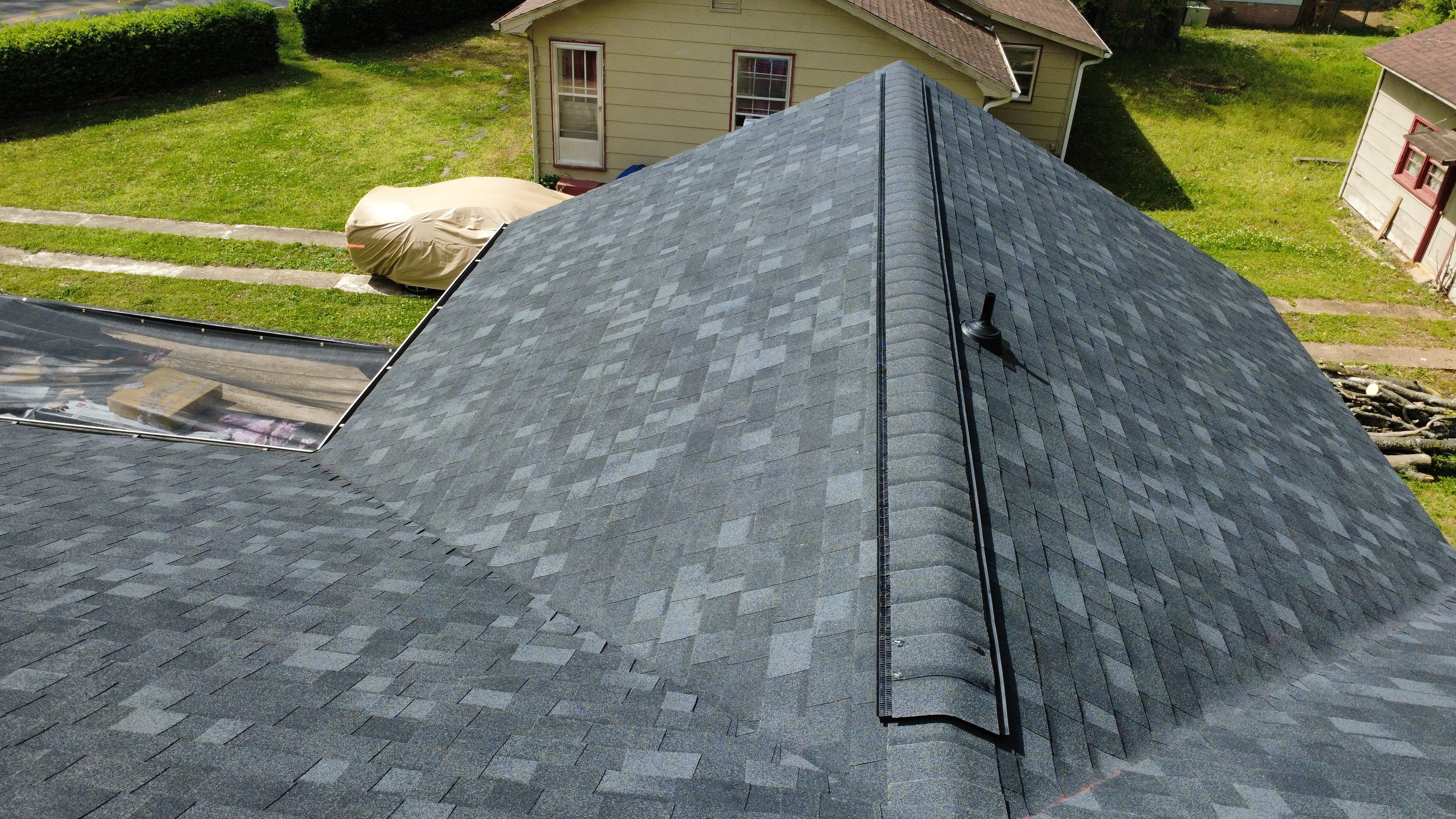
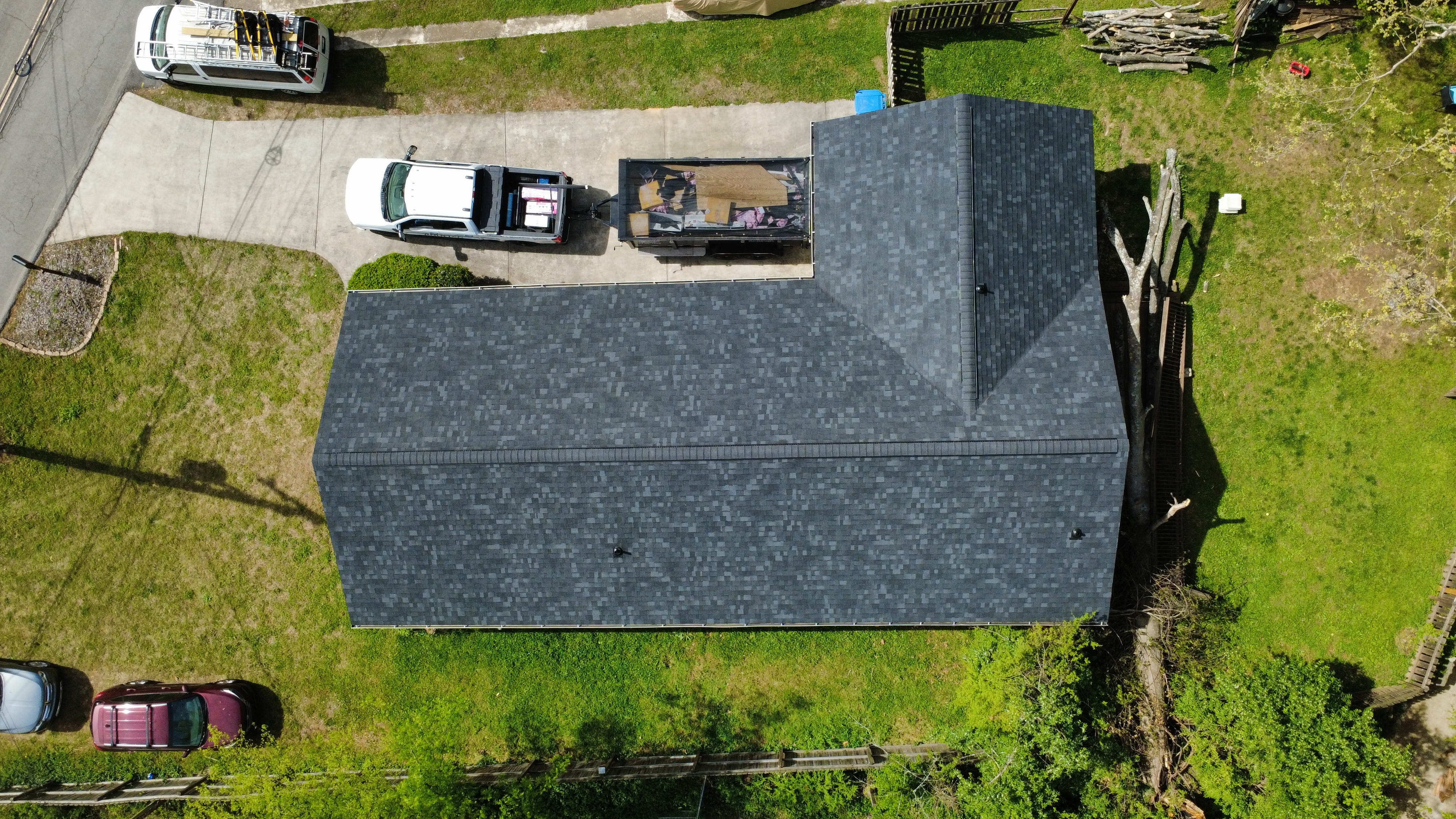
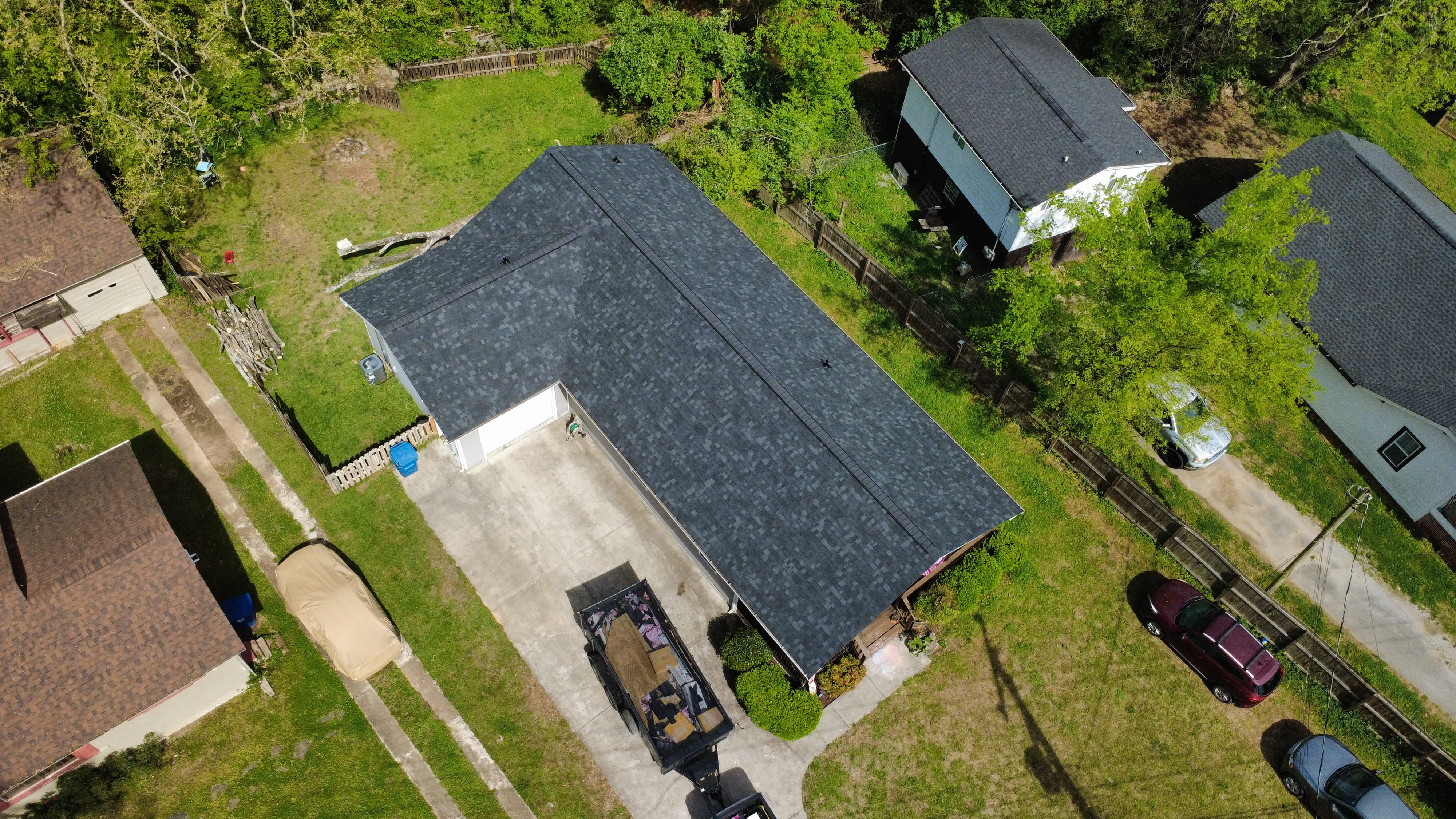
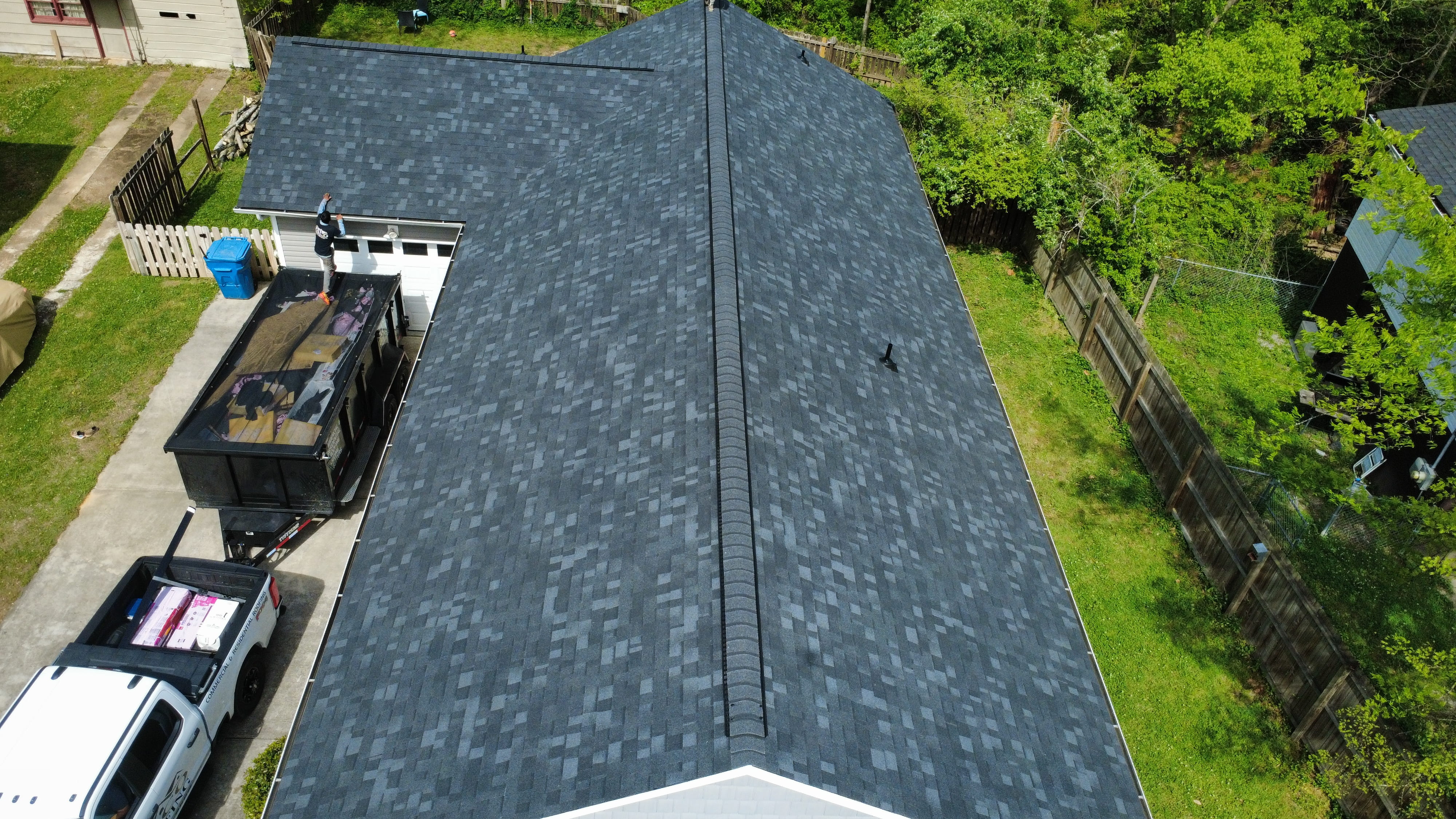
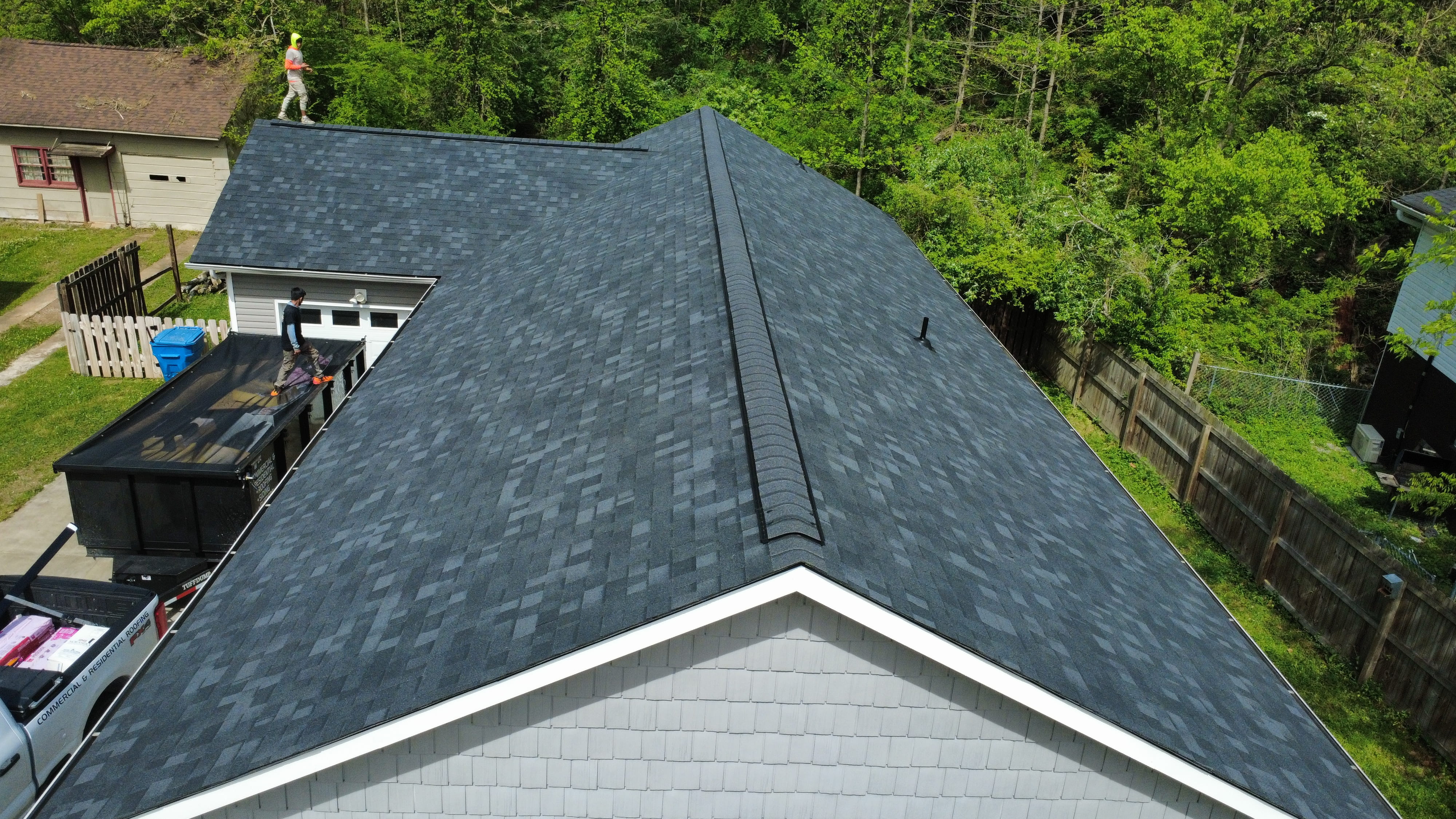
A deep charcoal shingle roof with a smooth, uniform finish � understated, durable, and made to weather every season.
No items found.
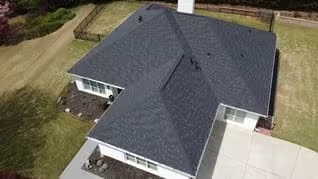
Chattanooga, TN
Owens Corning Duration | Onyx Black
A sharp Onyx Black roof replacement in Chattanooga, featuring Owens Corning's Duration shingles � a high-performance upgrade with a clean, modern finish.


No items found.
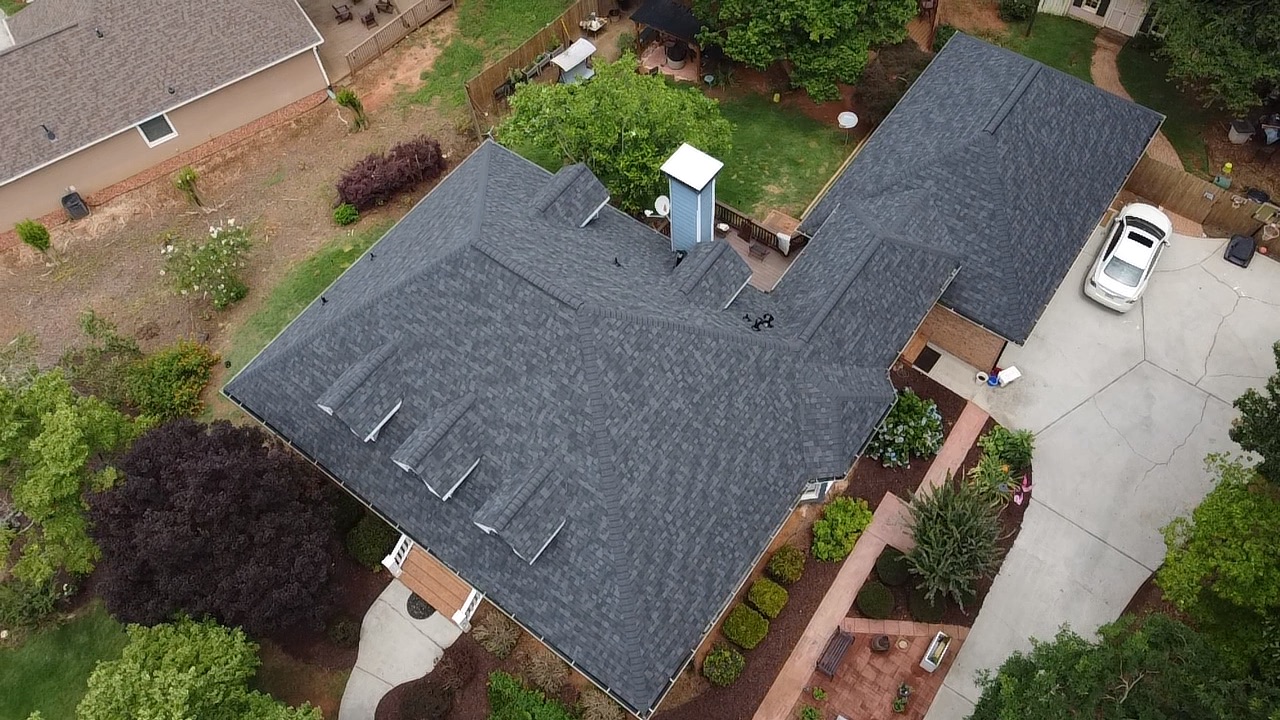
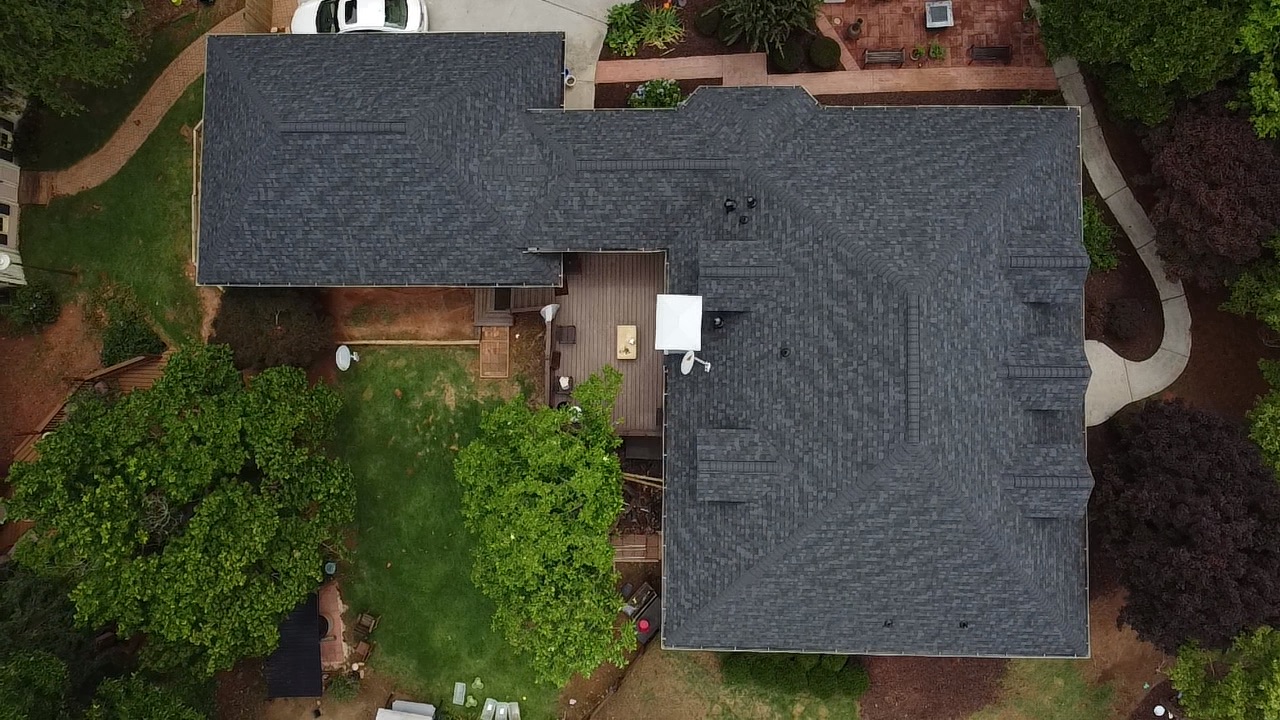
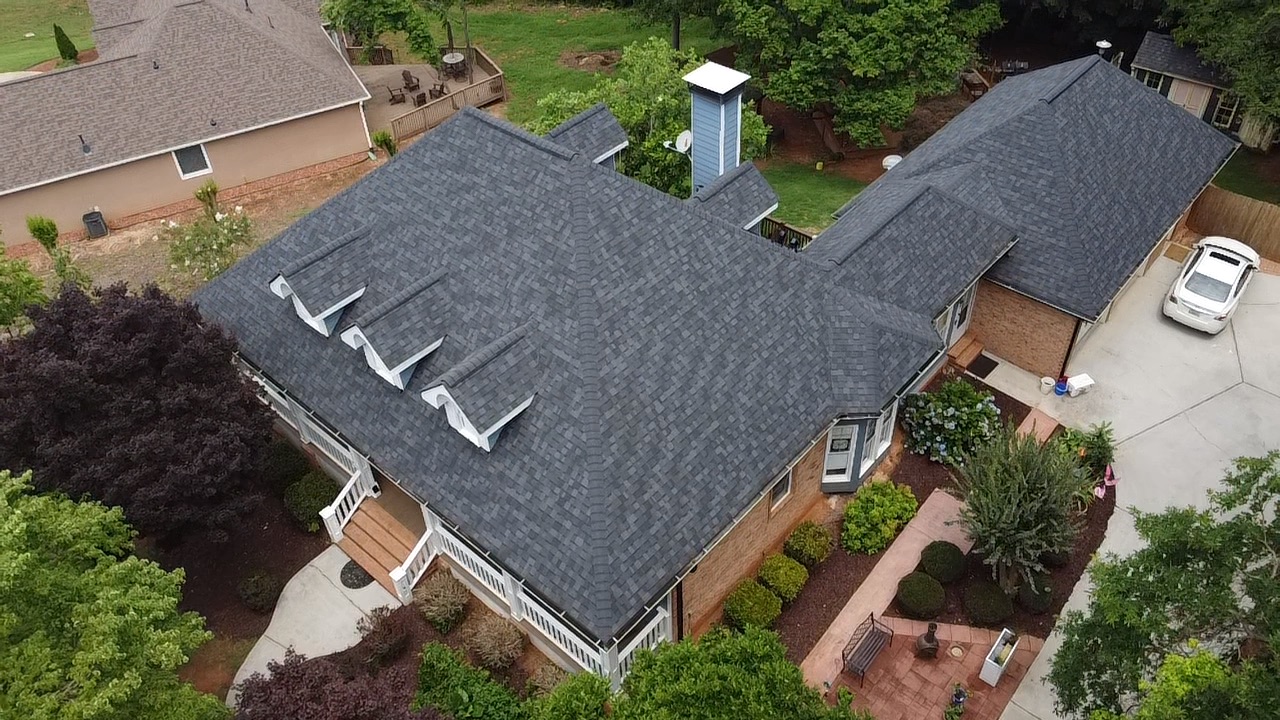
Hampton, GA
A bold charcoal shingle roof sweeping across a wide hip-and-valley design � rich color and lasting protection that anchor the home's classic profile.
No items found.
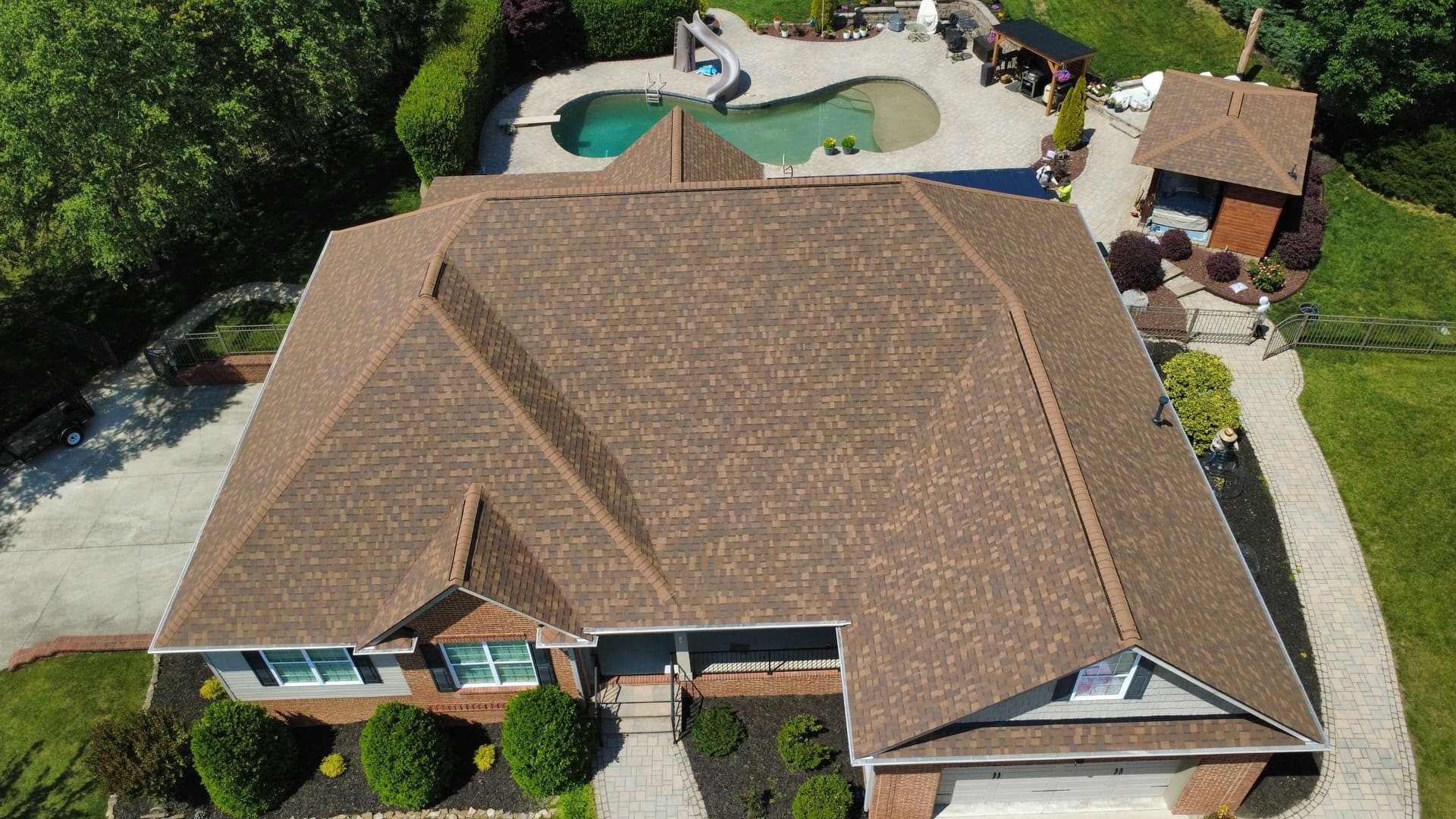
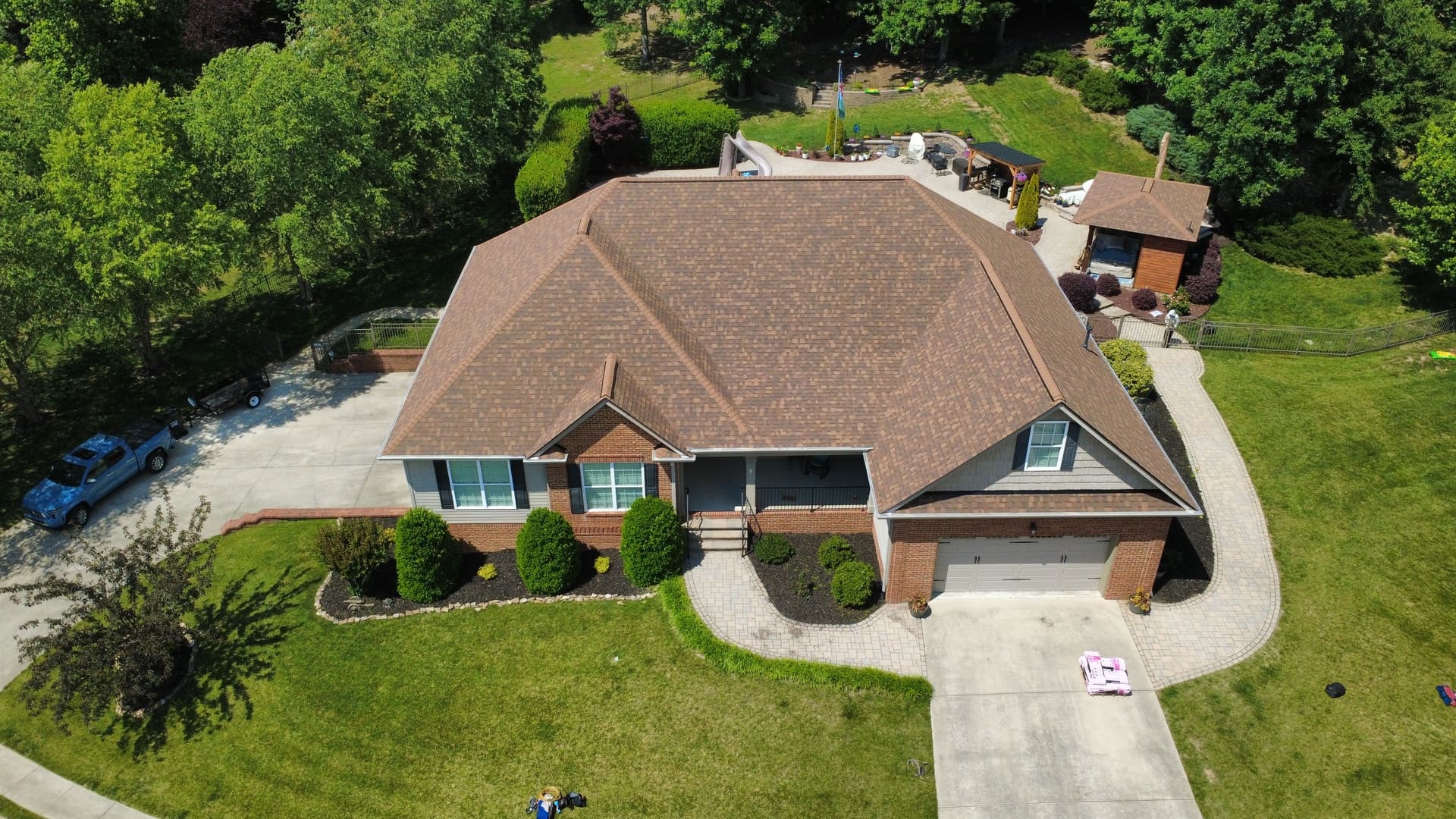
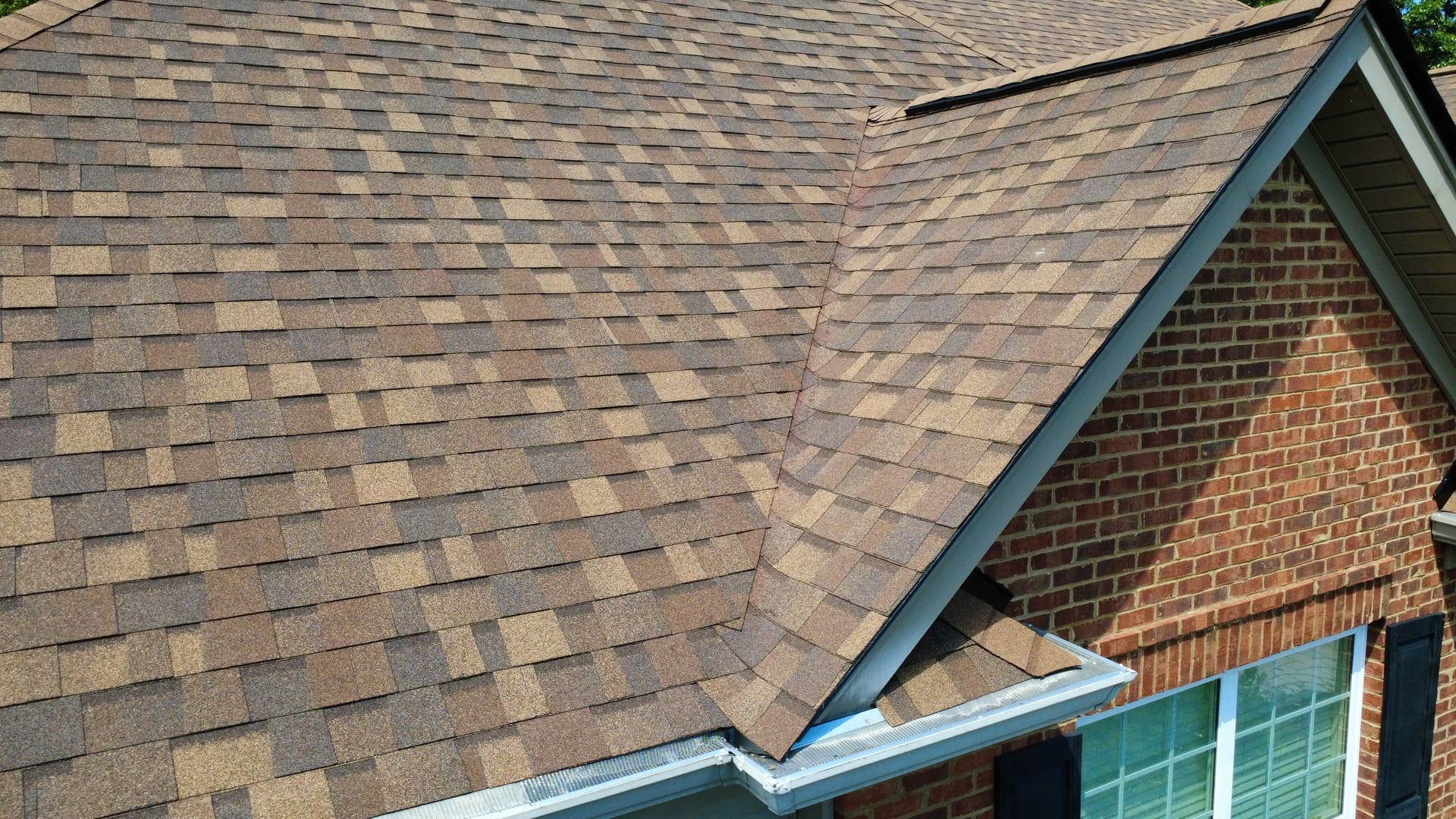
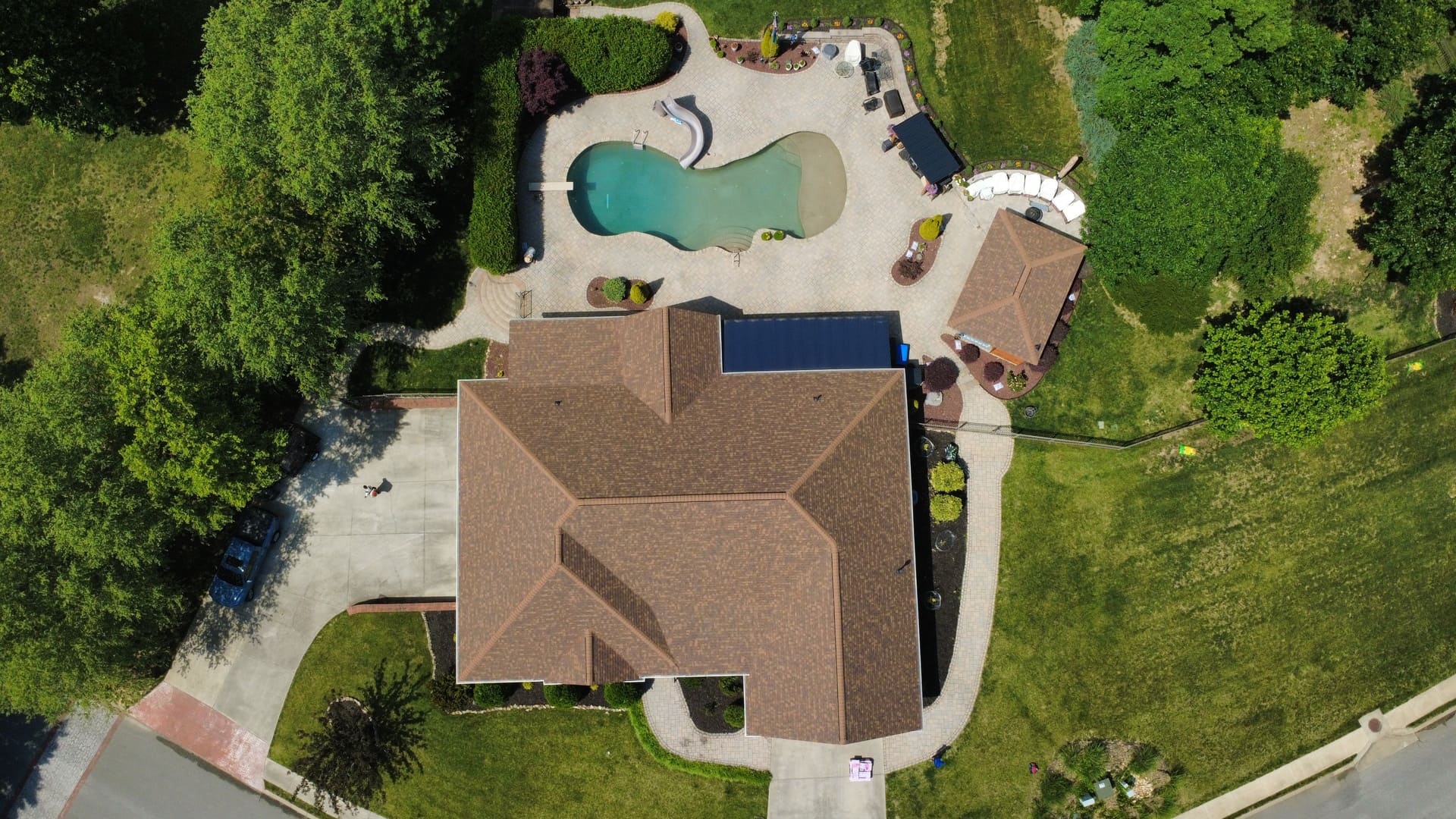
Soddy-Daisy, TN
A warm brown architectural shingle roof spreading across a sweeping hip design � earthy tones and rich dimension that complement the home's brick and bring lasting curb appeal.
No items found.
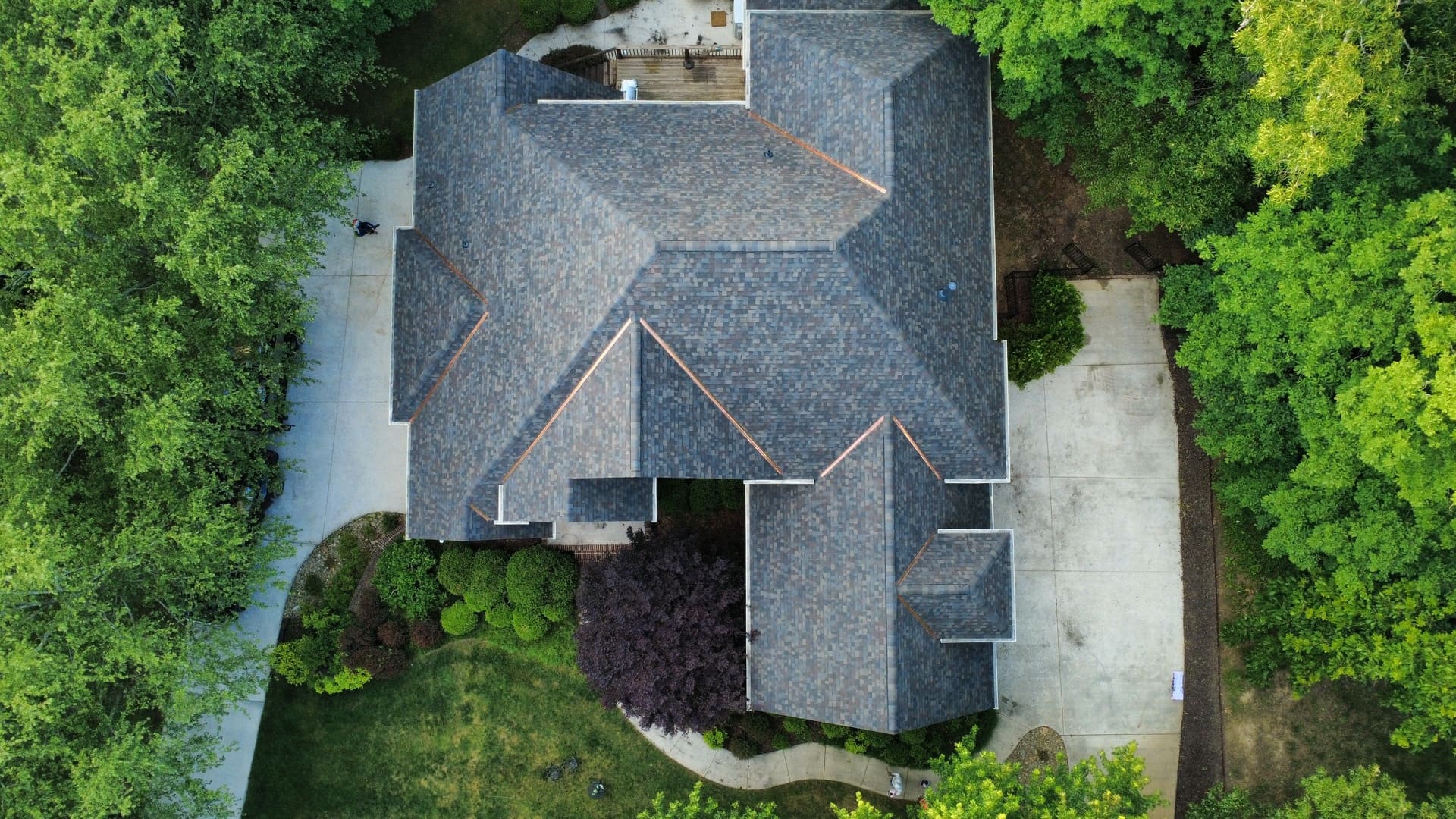
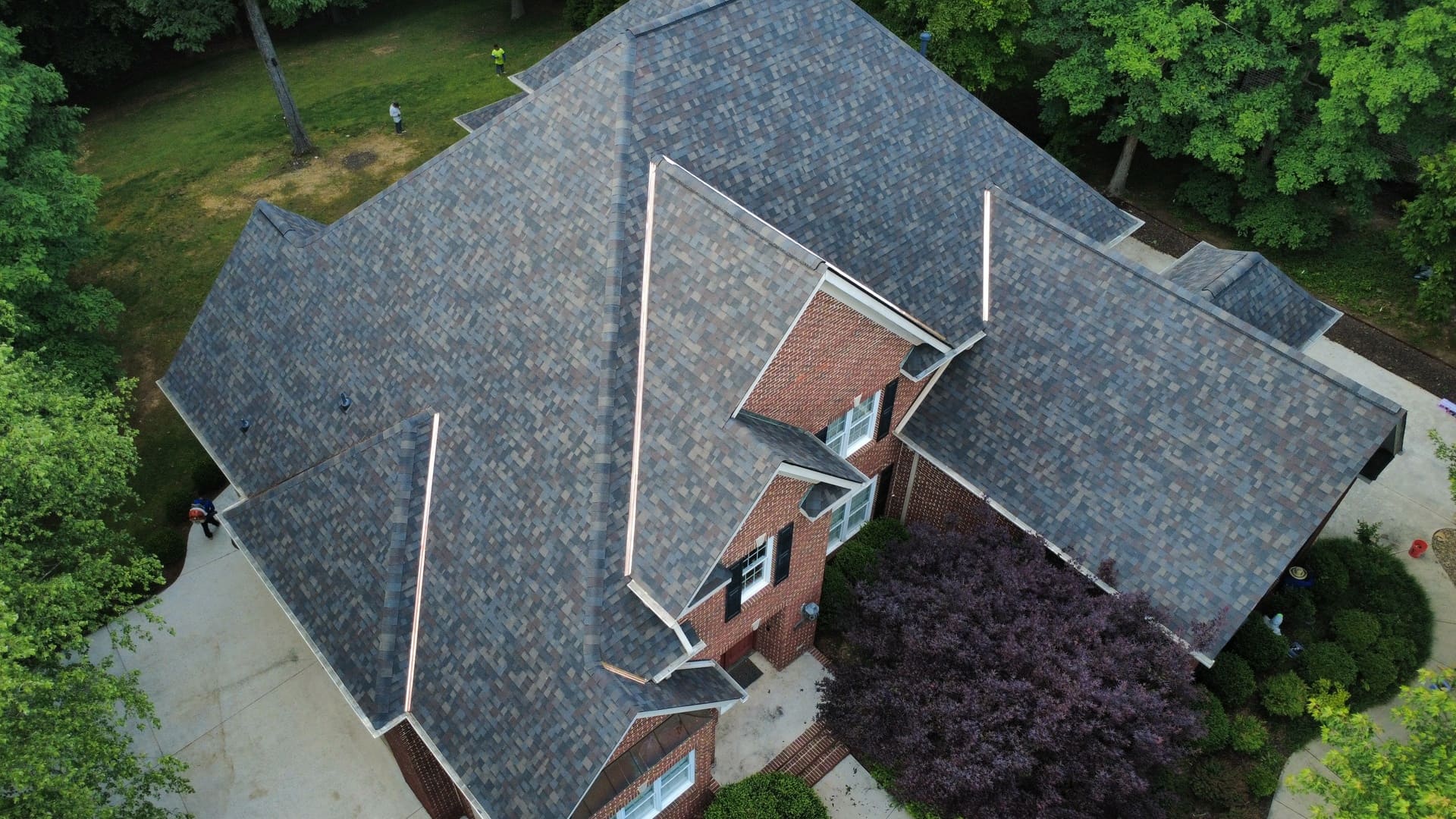
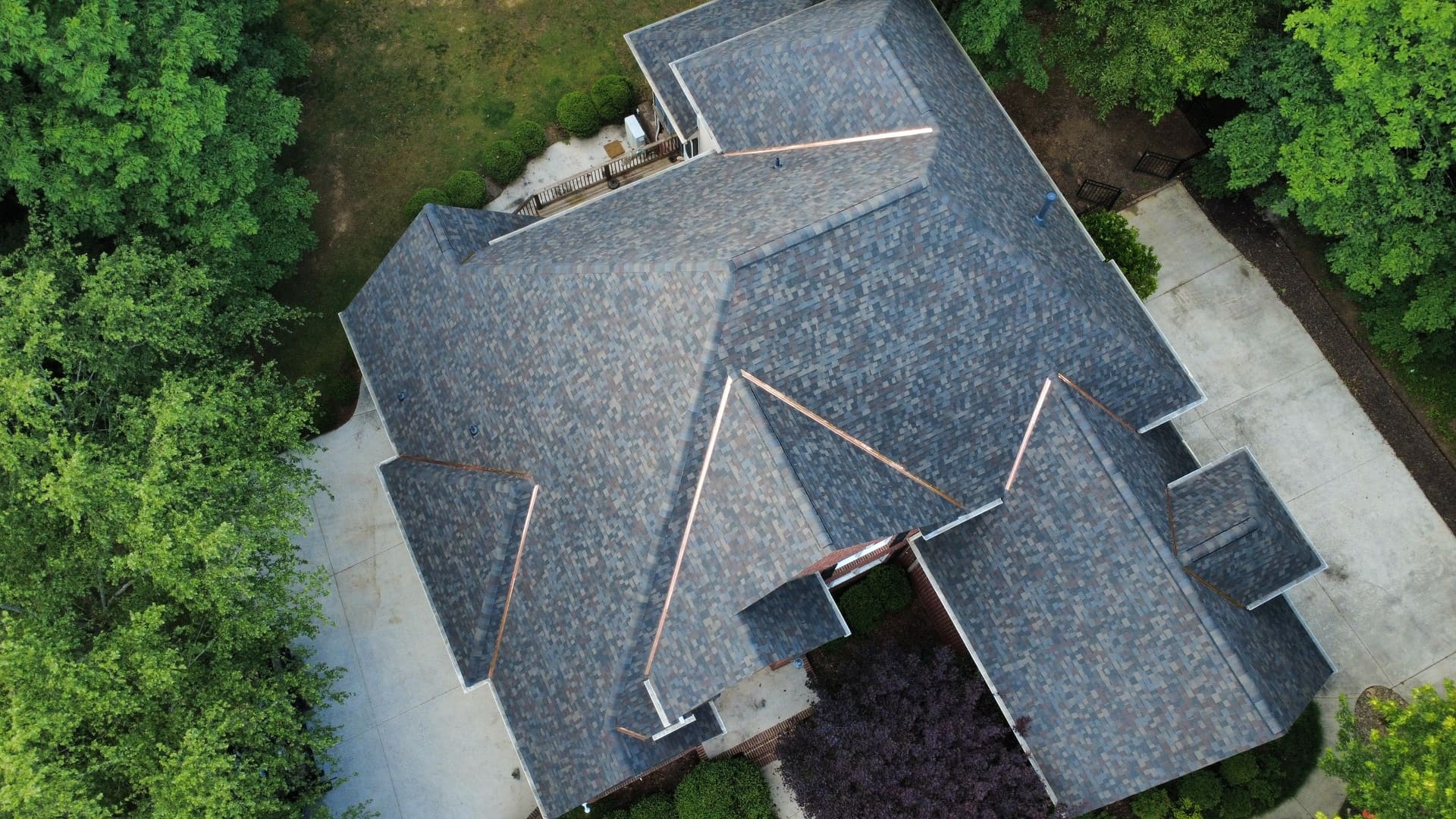
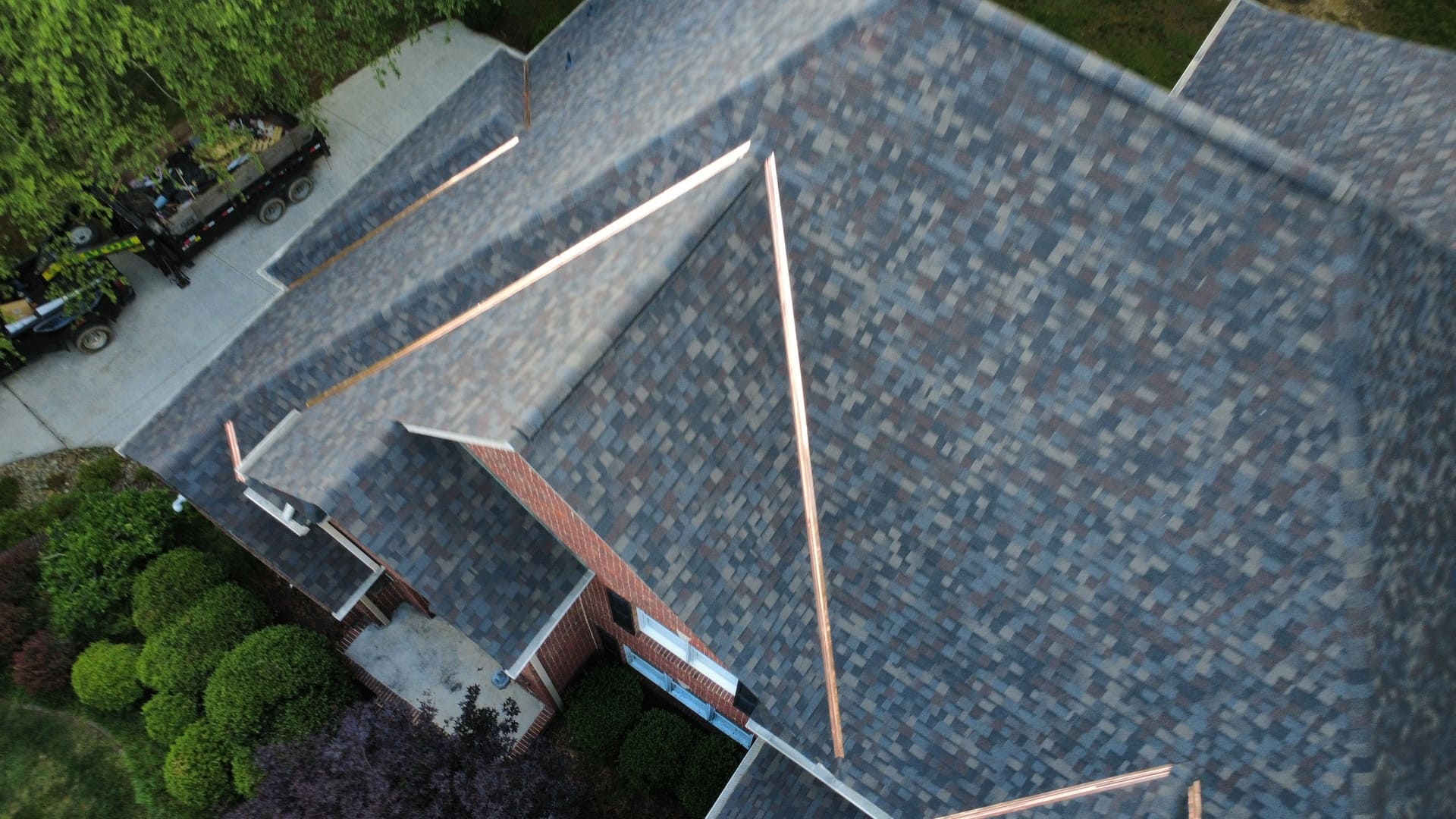
Soddy-Daisy, TN
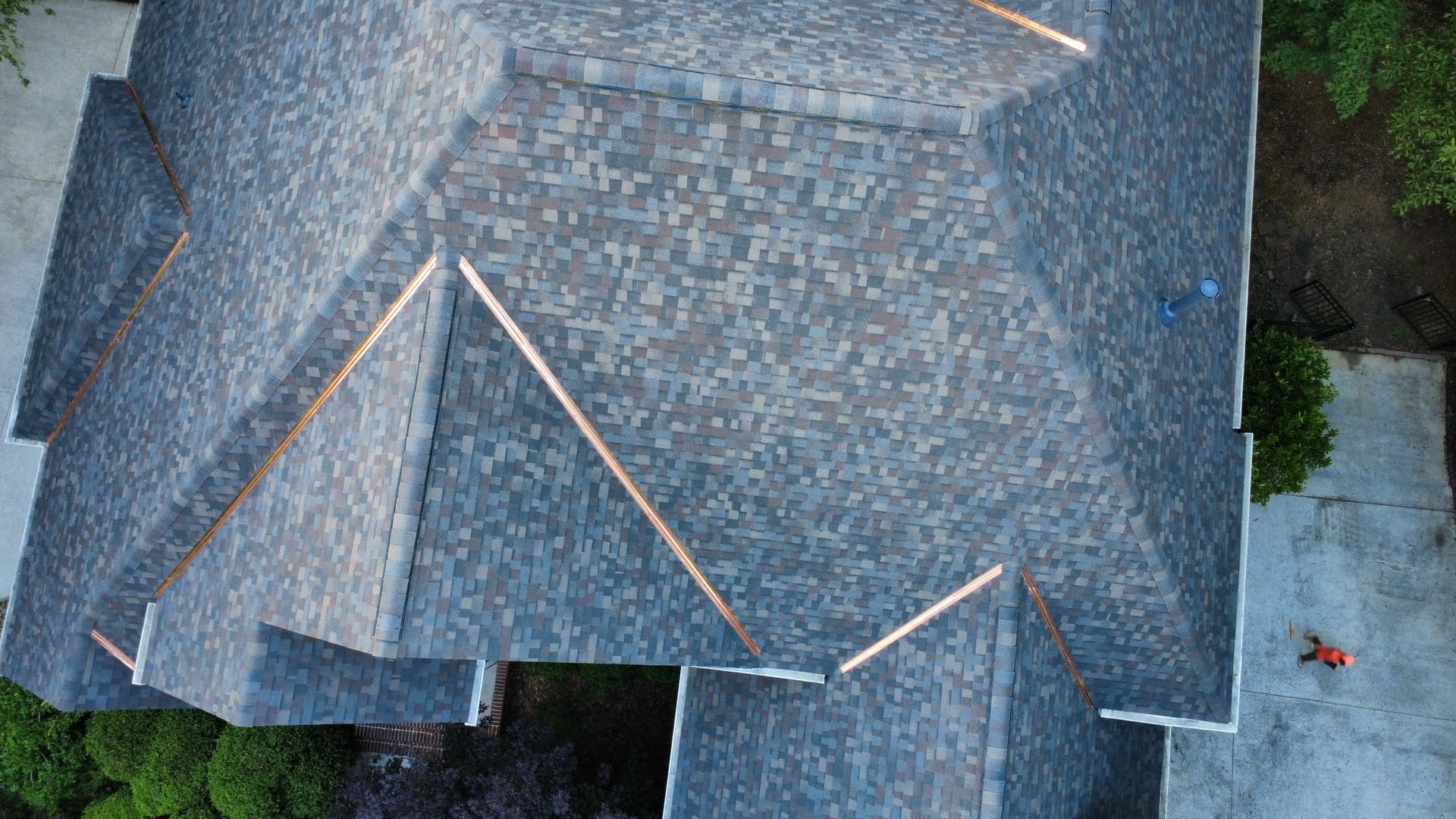
A blended gray architectural shingle roof tracing an intricate web of hips and valleys � crisp ridge lines and depth of color that crown a home tucked into the trees.

No items found.

Hixson, TN
A soft taupe-gray architectural shingle roof with clean hip lines meeting at sharp ridges � a warm, neutral finish that lends understated polish to the home.

No items found.
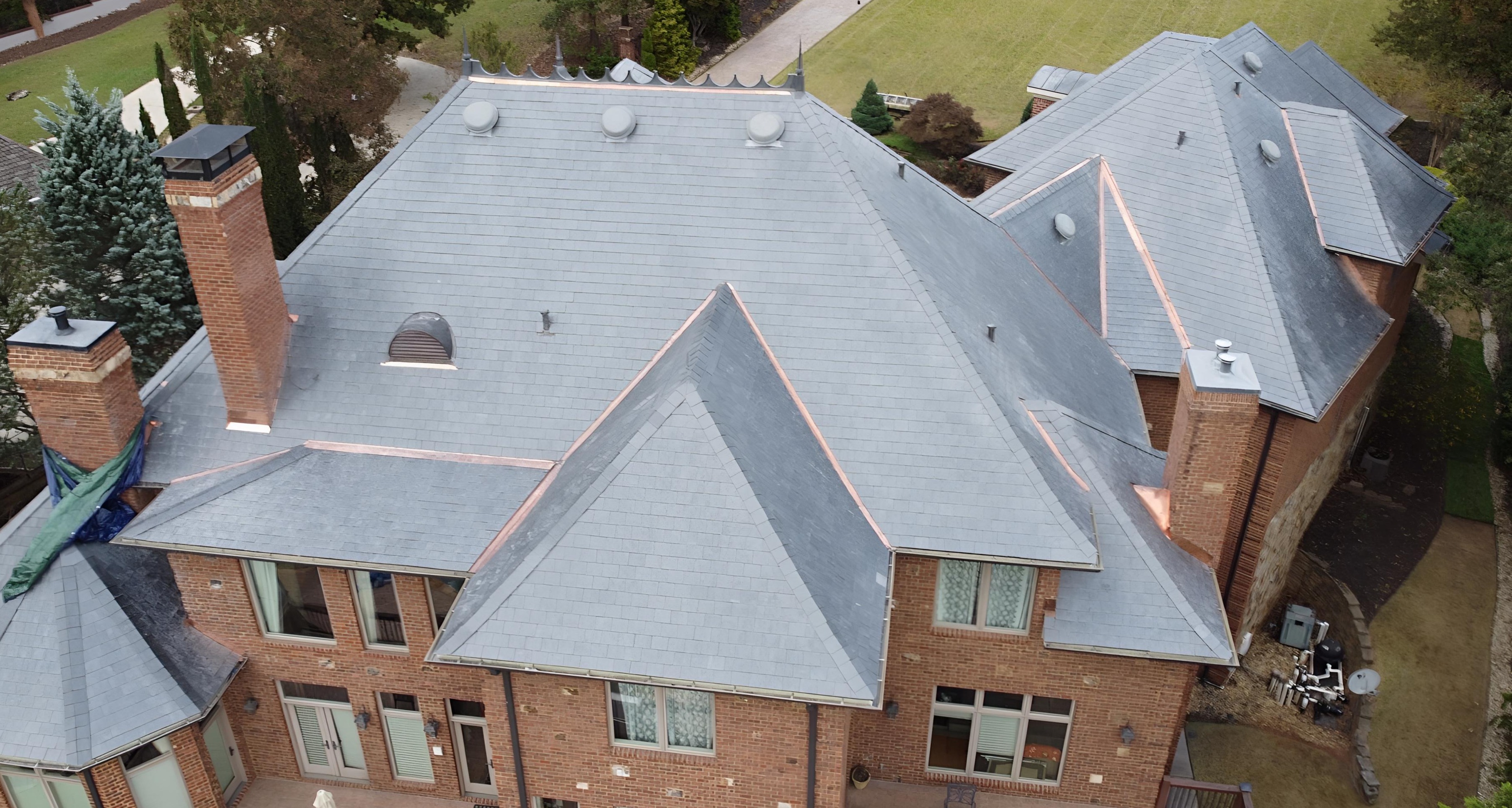
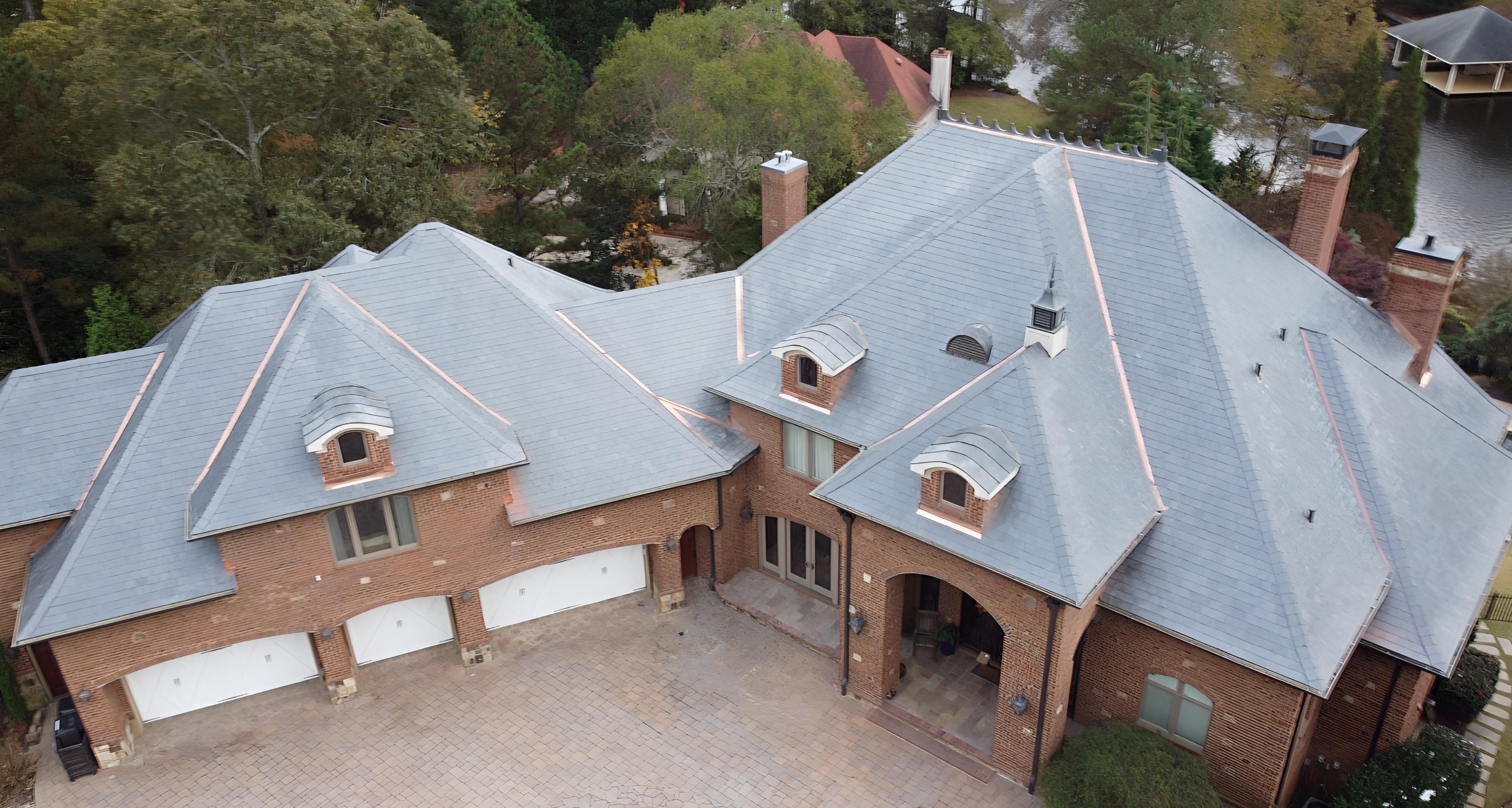
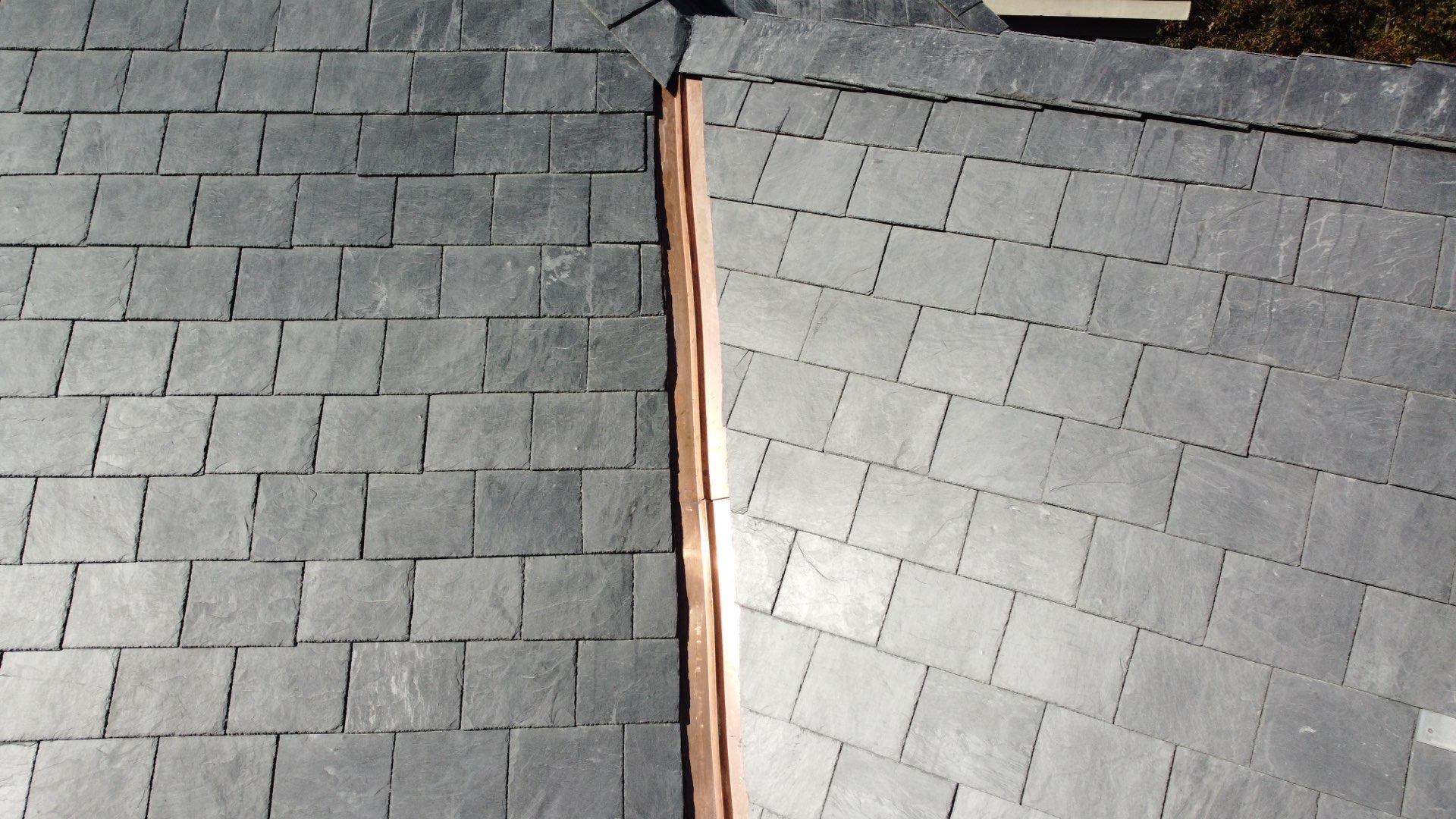
Atlanta, GA
Slate
A timeless slate roof replacement in the heart of Atlanta � delivering natural elegance and exceptional durability for a home built to last generations.
No items found.

Marietta, GA
Owens Corning Oakridge | Onyx Black
A bold Onyx Black roof replacement in Atlanta, installed with Owens Corning's trusted Oakridge shingles � striking curb appeal with dependable, weather-resistant protection.
No items found.

Chattanooga, TN
Owens Corning Duration | Estate Gray
A classic Estate Gray roof replacement in Alpharetta using Owens Corning's premium Duration shingles � built for long-lasting beauty and performance in the Georgia heat.


No items found.
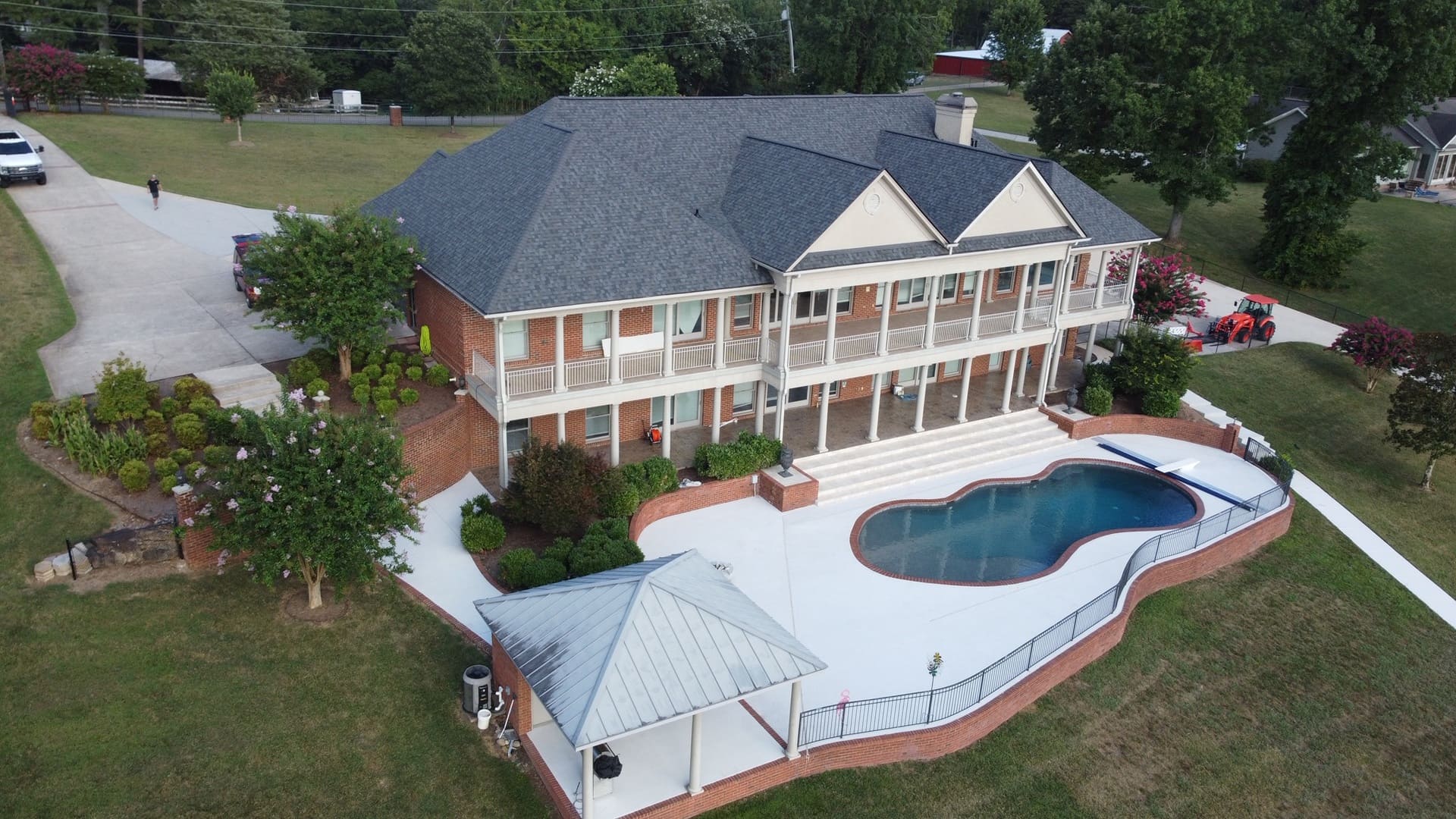
Harrison, TN
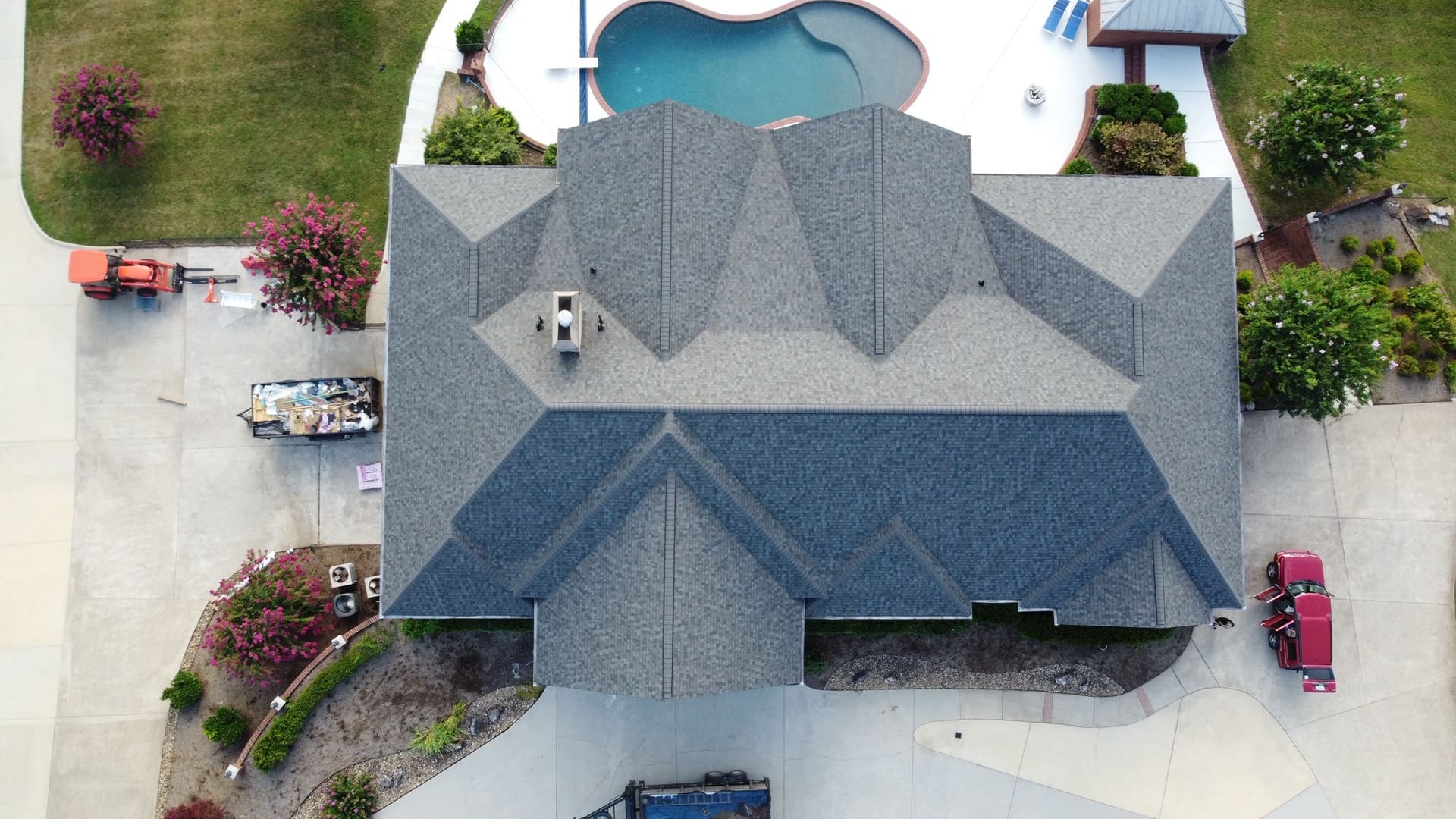
A cool slate-gray architectural shingle roof unfolding across a bold, symmetrical hip-and-gable layout � sharp peaks and clean lines that give this poolside home a striking, contemporary crown.
No items found.
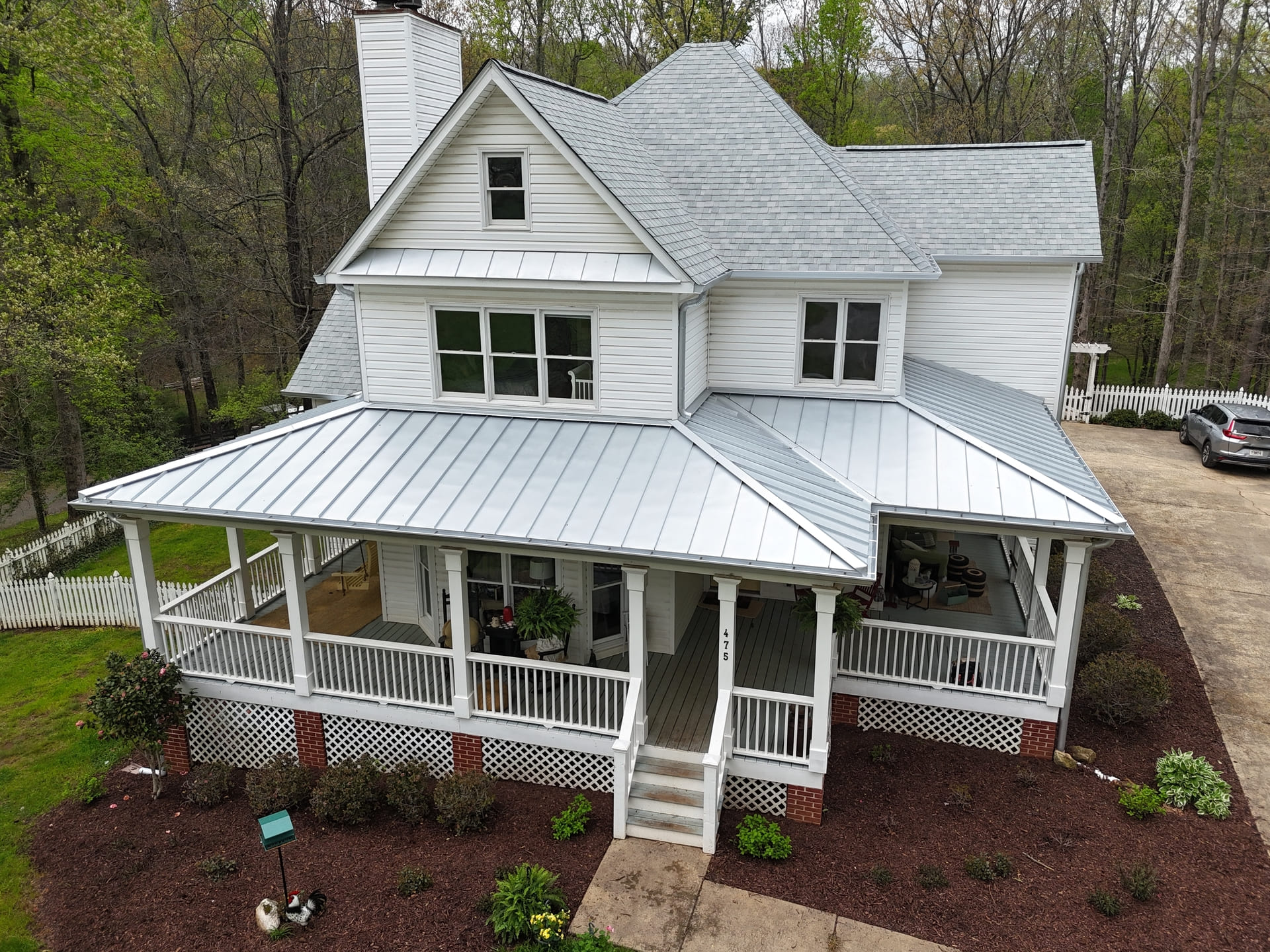
Cumming, GA
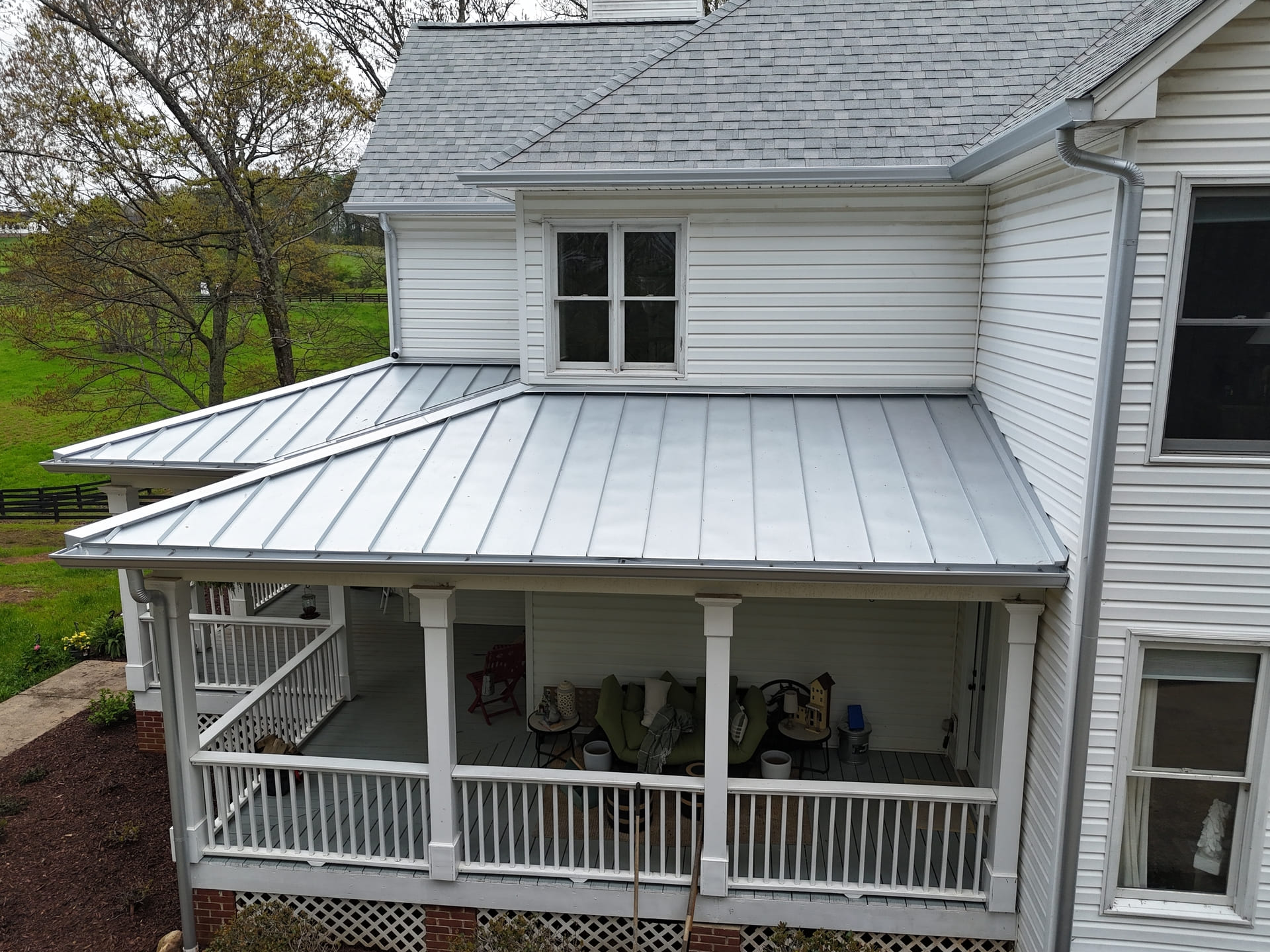
A classic farmhouse topped with gray architectural shingles on the upper roofline and a gleaming silver standing-seam metal roof over the wraparound porch � a mixed-material pairing that blends timeless charm with modern durability.
No items found.
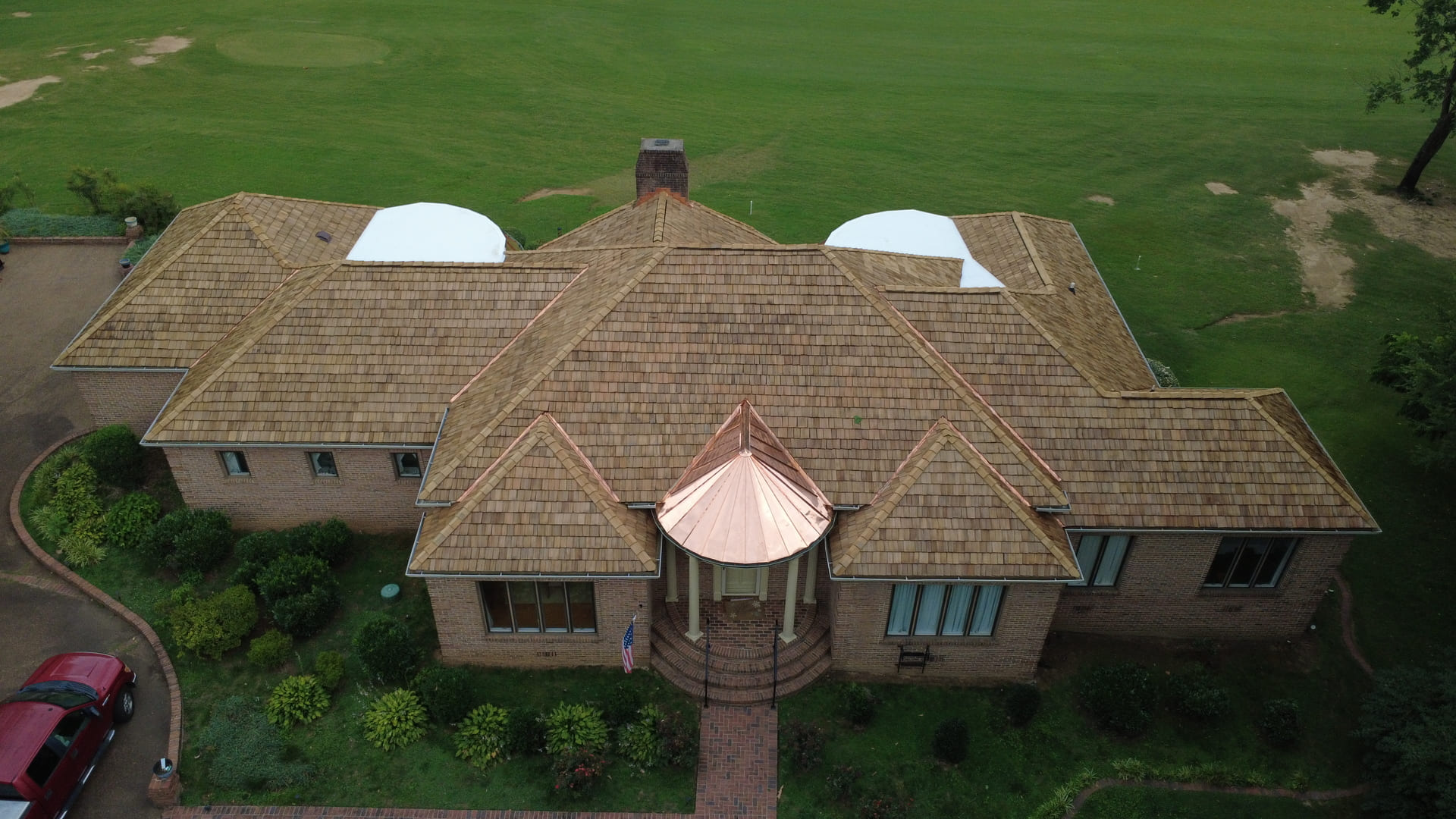
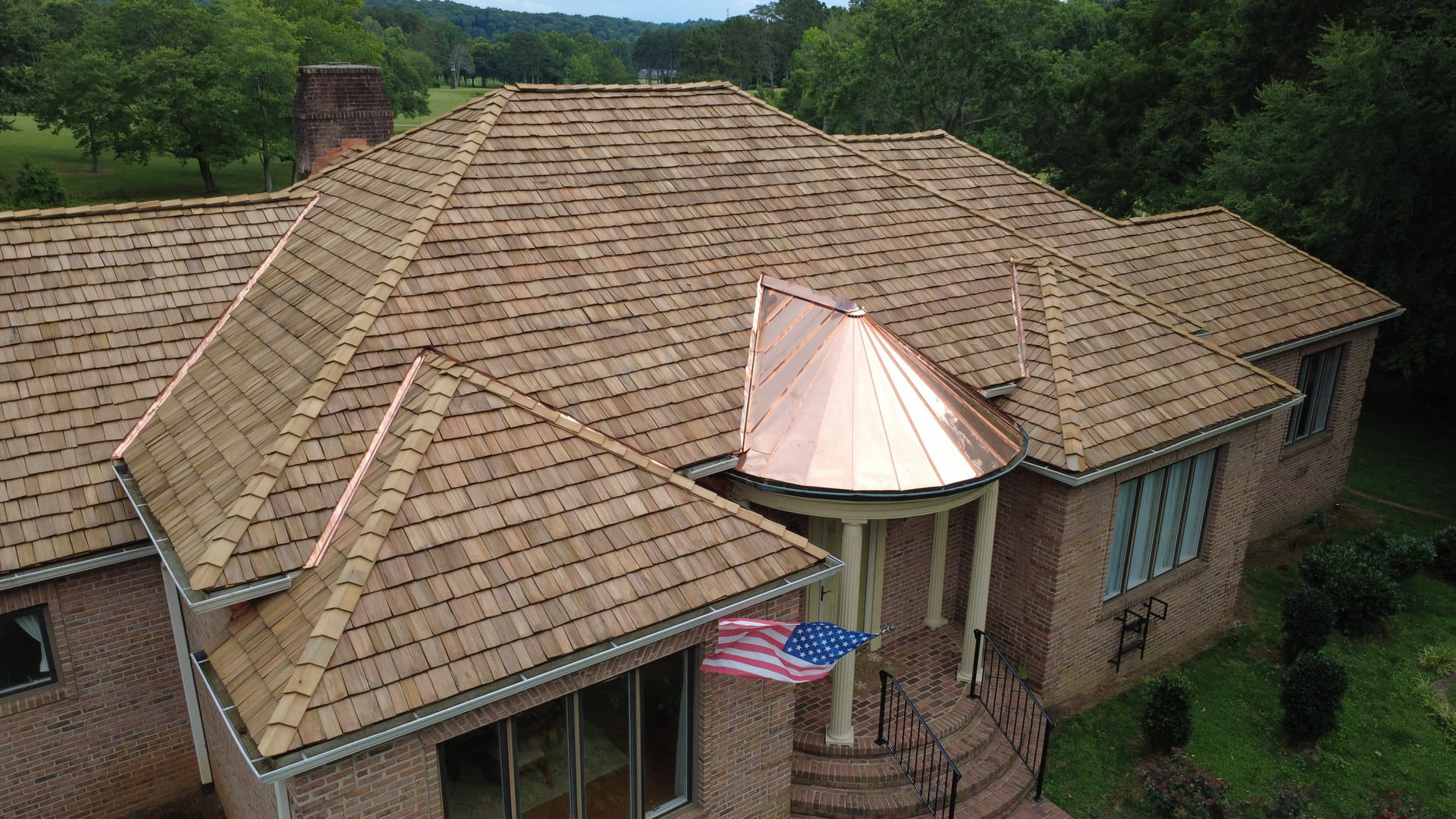
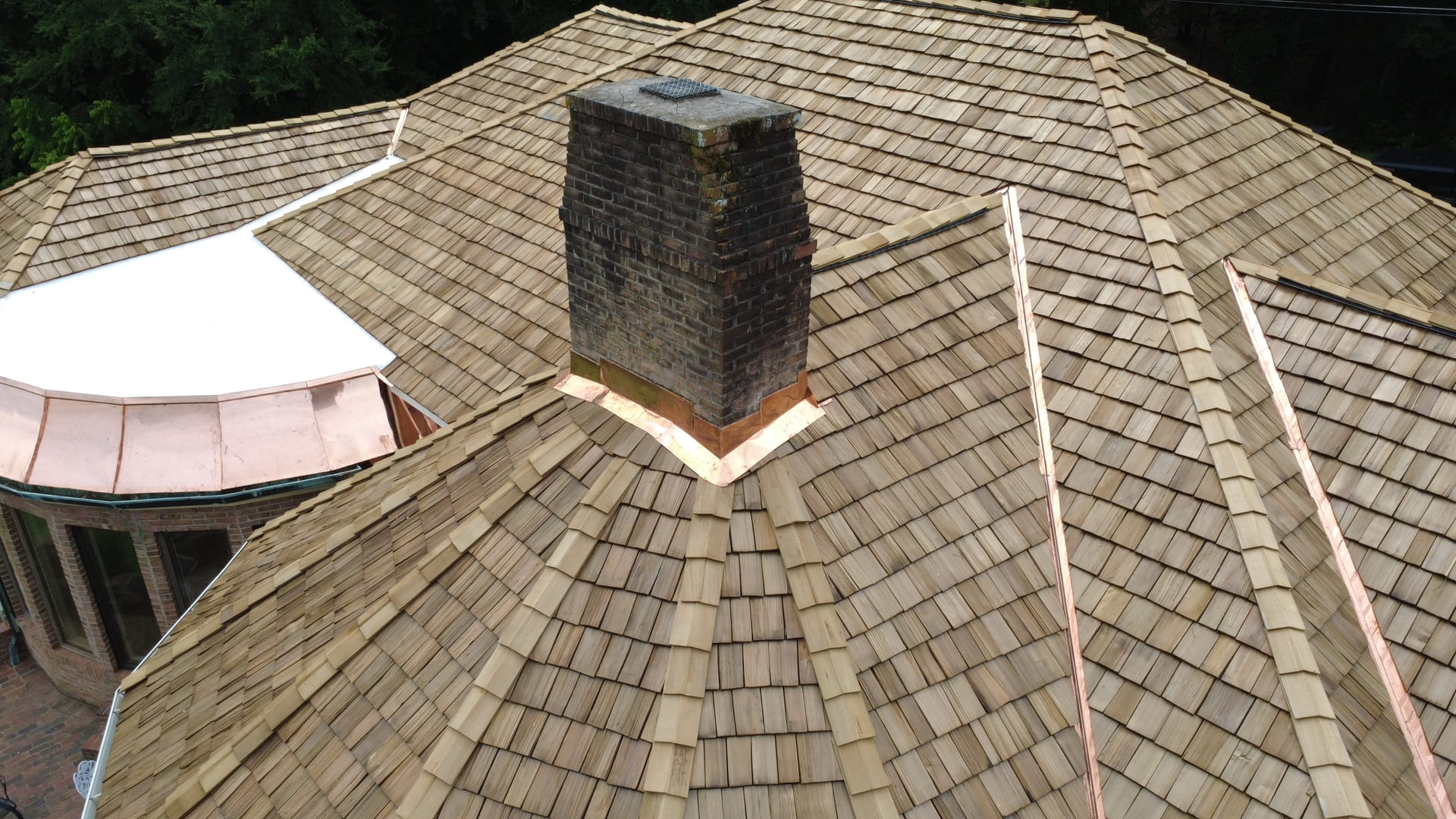
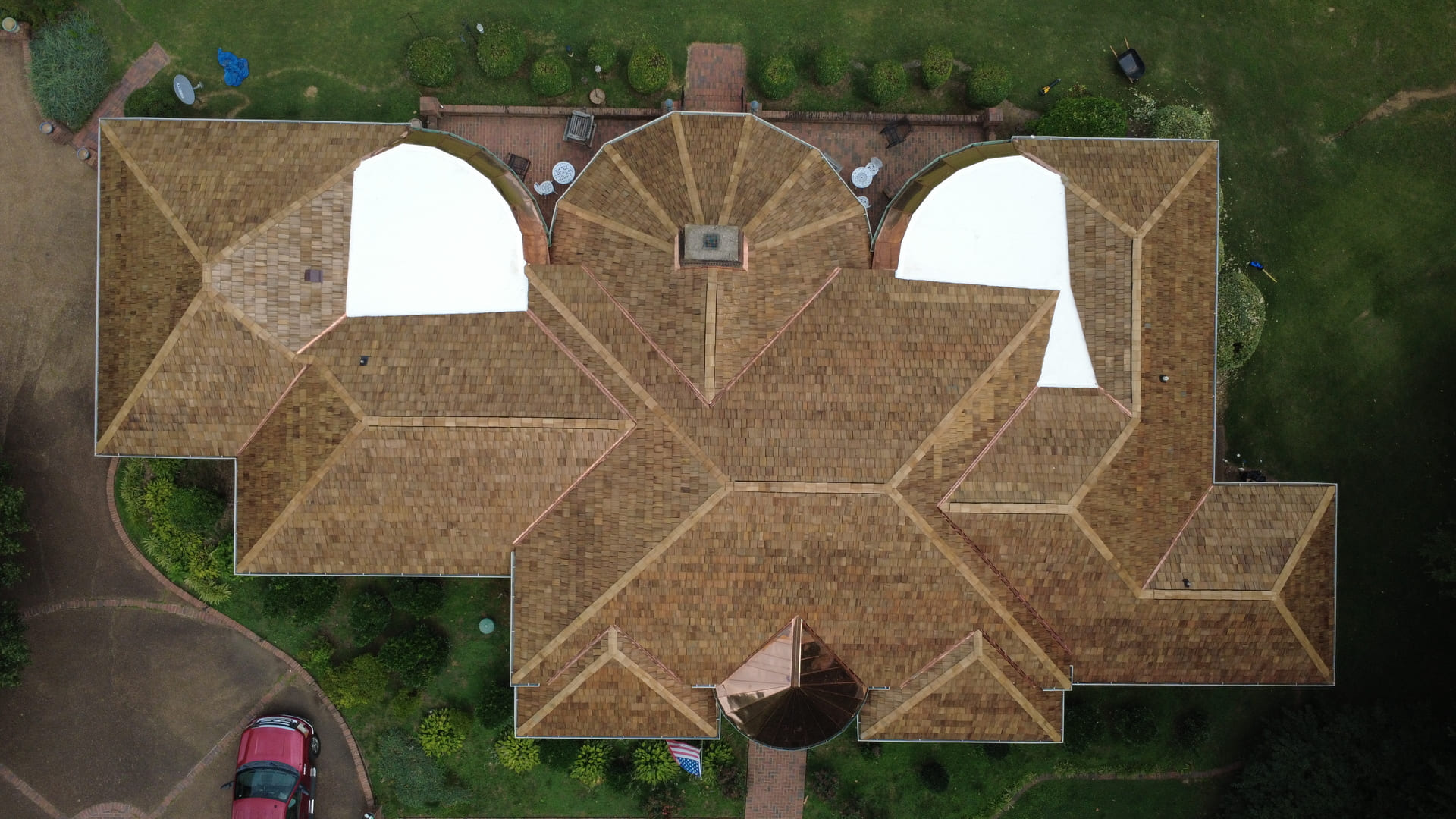
Cleveland, TN
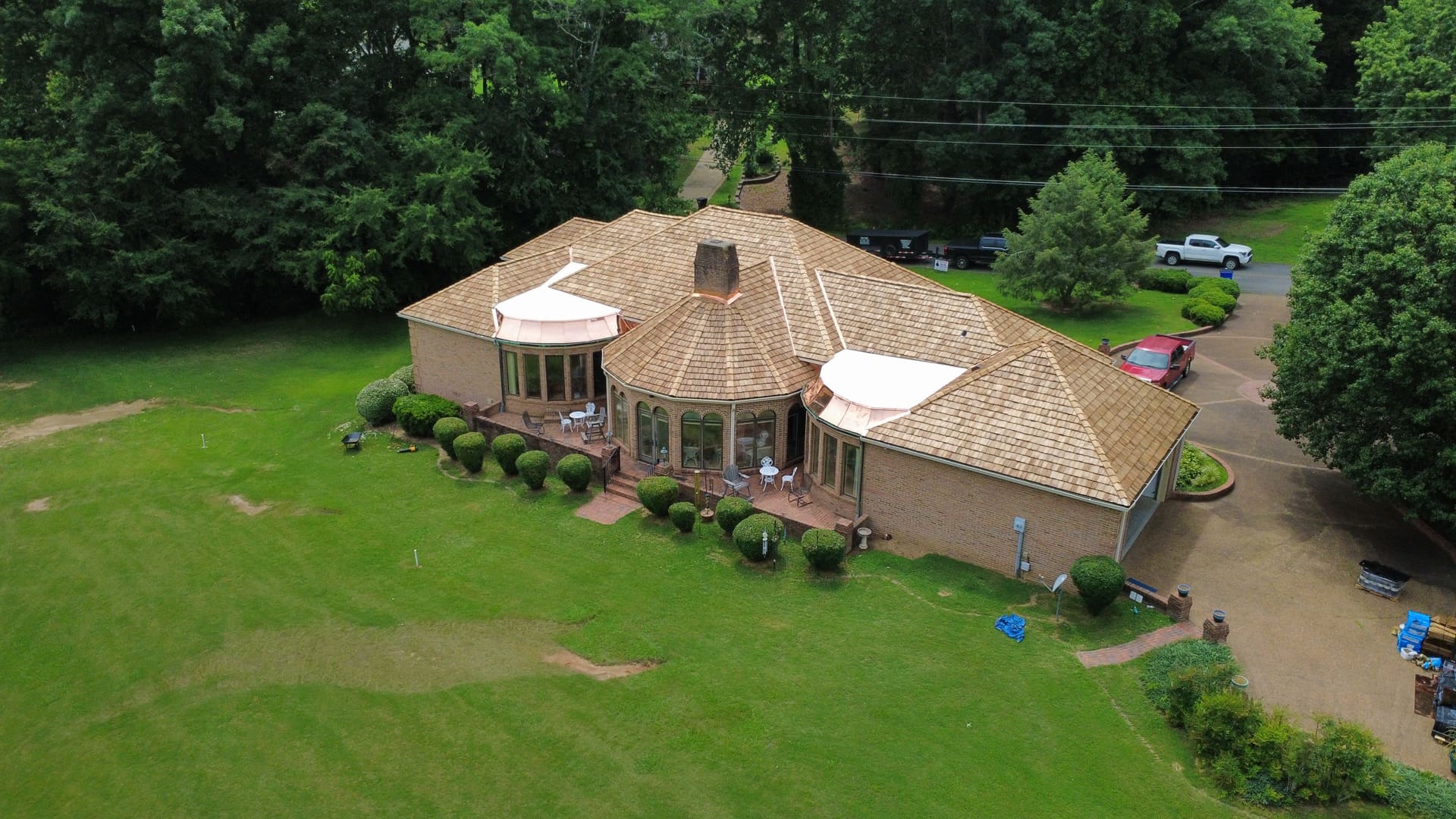
A warm natural cedar shake roof flowing over a sweeping hip design and a striking octagonal turret, accented by curved copper roof sections over the bay window.
No items found.
Greensboro, GA
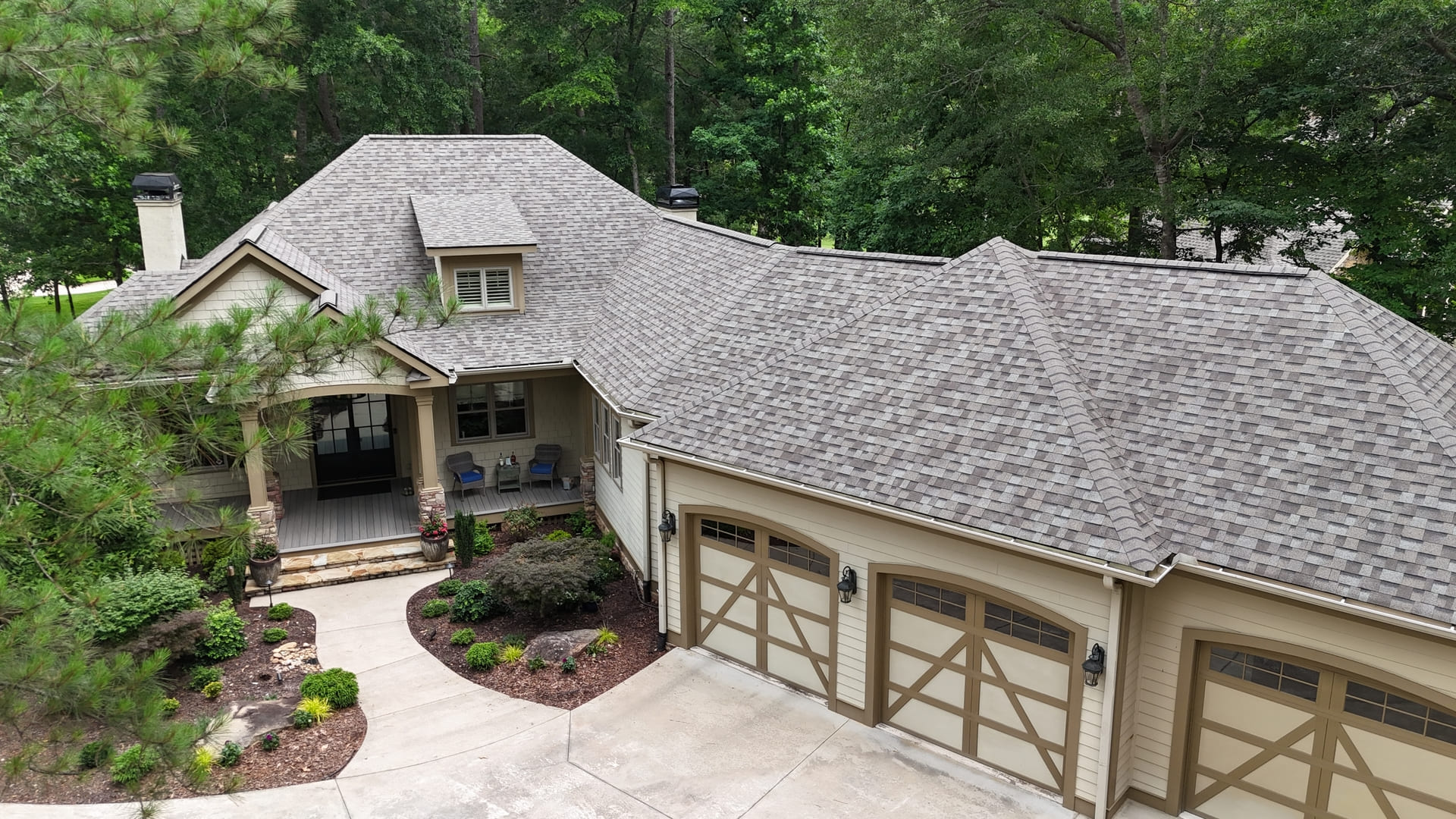
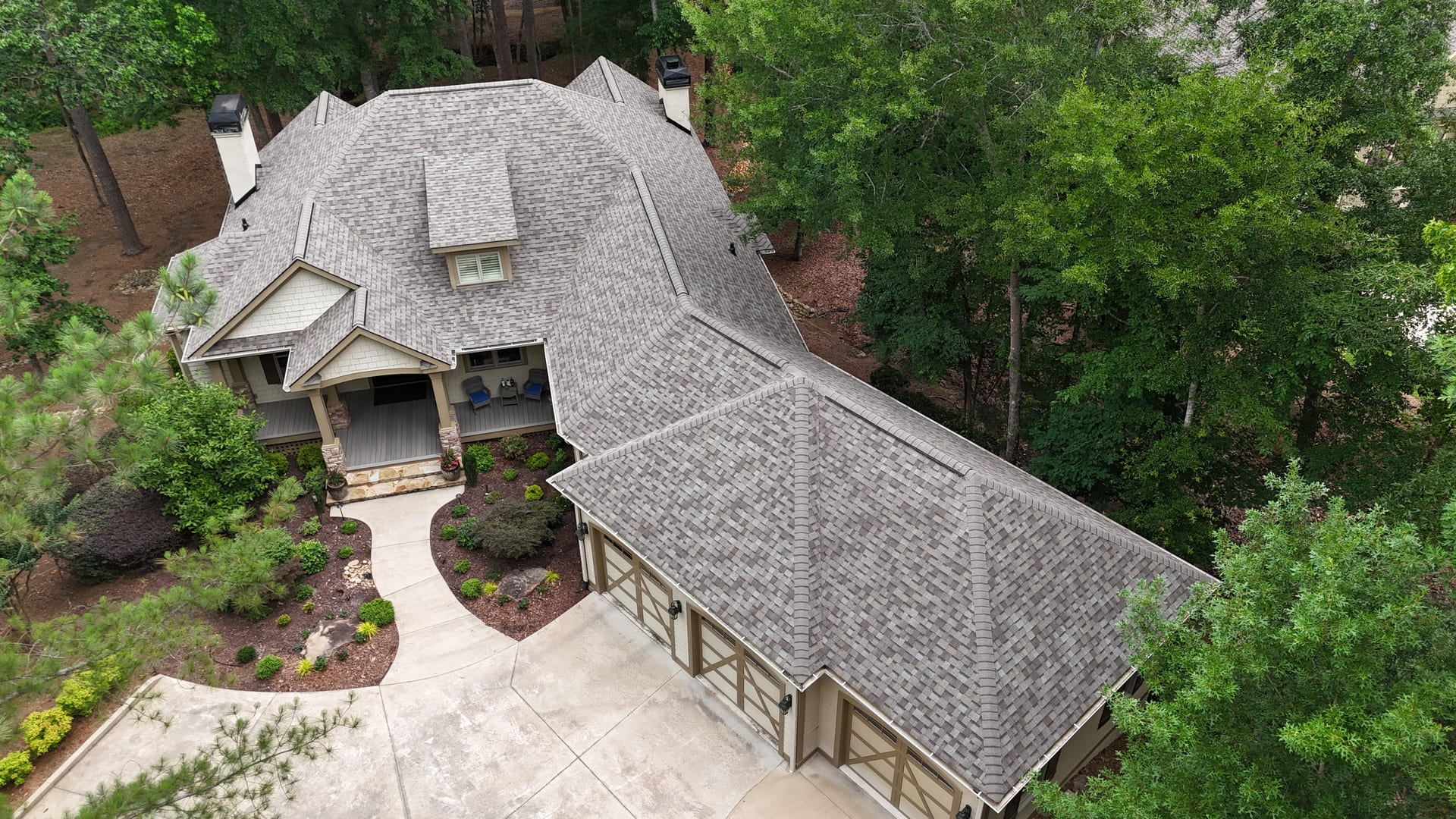
A blended architectural shingle roof winding across a sprawling craftsman home, with steep gables, multiple ridges, and clean hip lines that suit its wooded setting.
No items found.
Conyers, GA
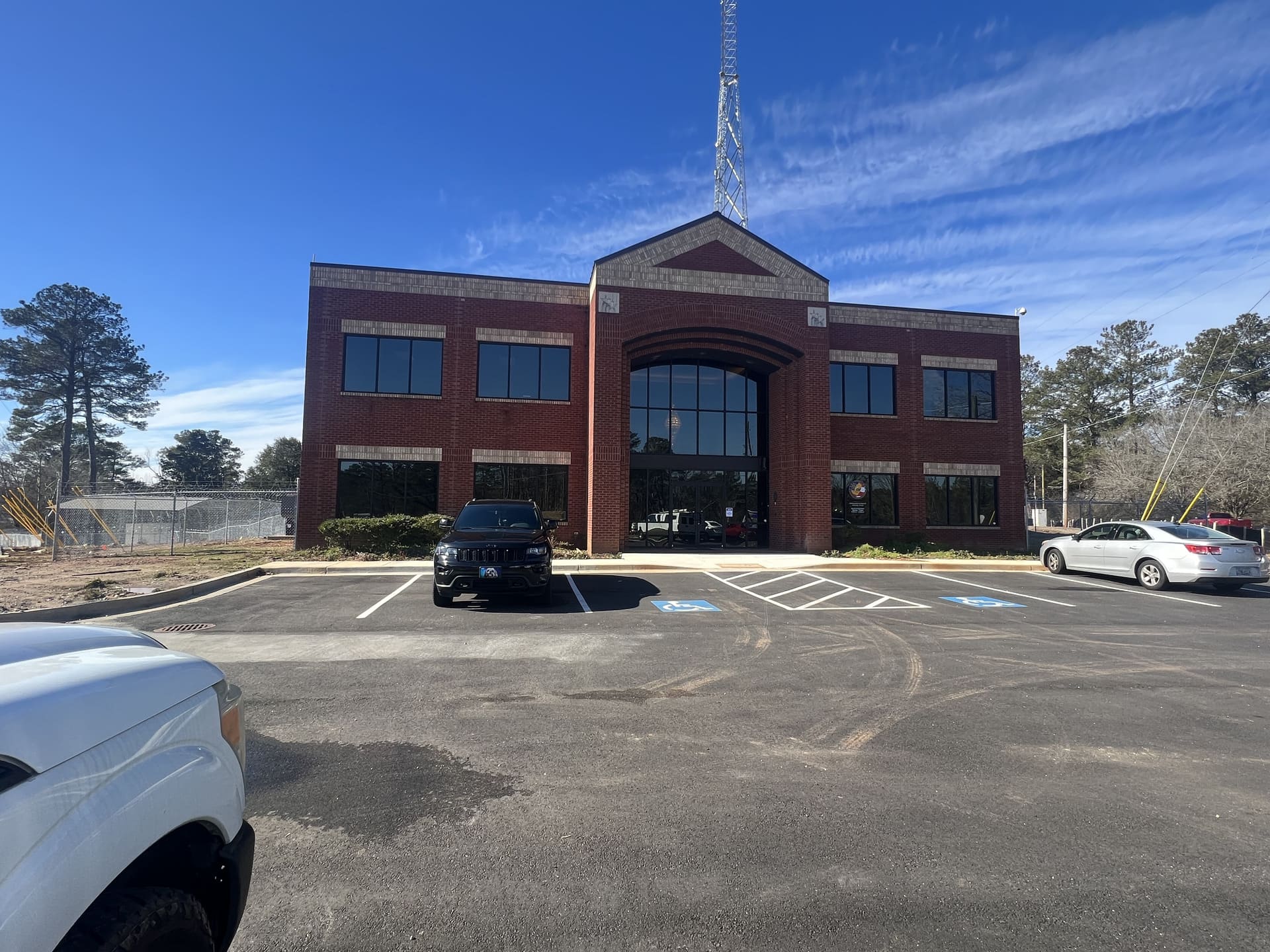
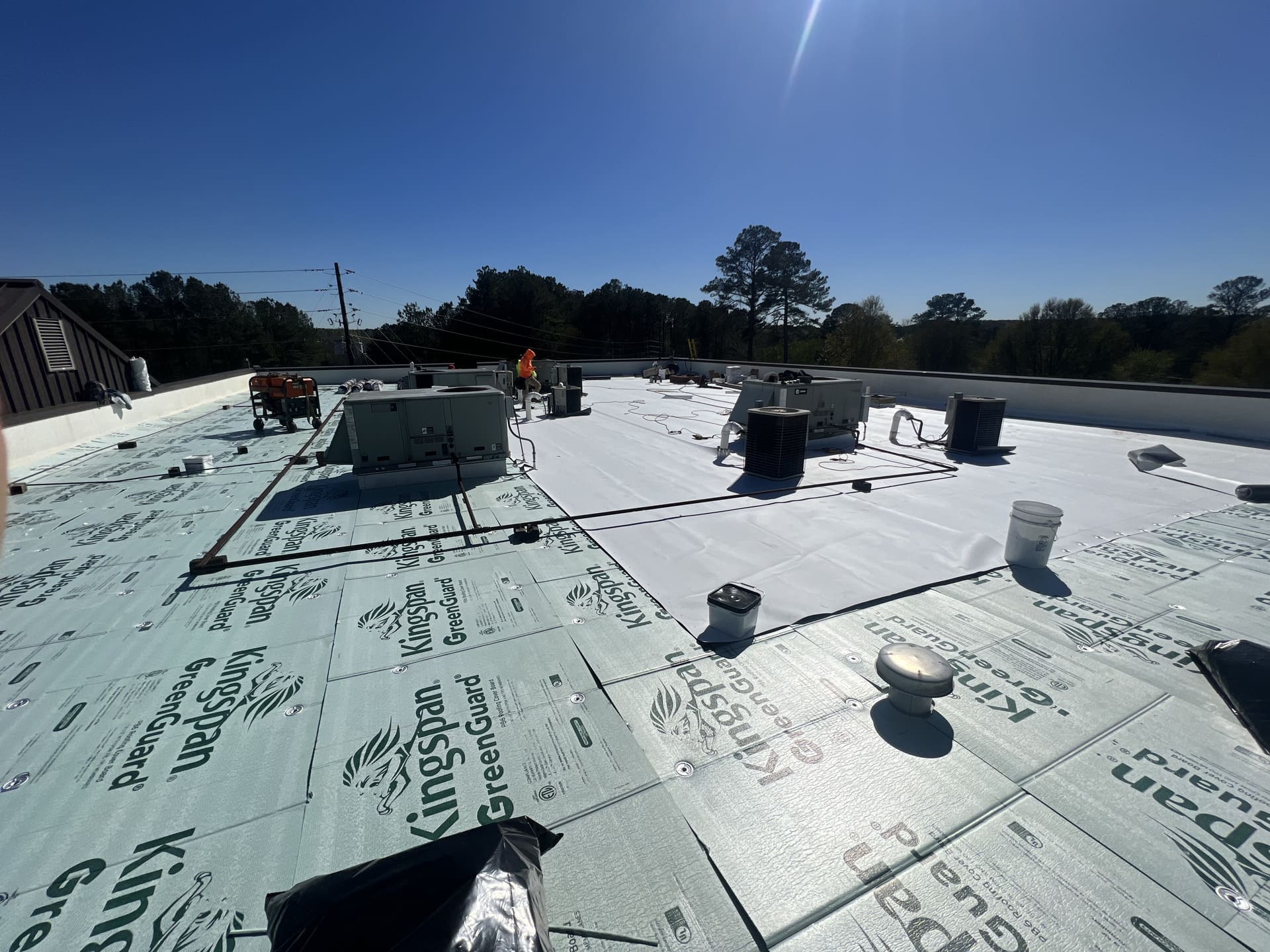
A re-roof on the EMA building, with fresh polyiso insulation board laid across the deck and a white membrane going down over it.
No items found.
FAQ[s]
Common FAQs
Get clear answers to the questions homeowners ask most about roofing, repairs, and working with Jaco Roofing.
What is SPF (Spray Polyurethane Foam) roofing, and how is it applied?
SPF is a liquid foam sprayed onto the roof surface, expanding into a rigid layer and finished with a protective coating.
How does spray foam roofing improve the energy efficiency of a commercial building?
SPF adds insulation value and reduces thermal transfer, helping stabilize interior temperatures.
Can SPF roofing be applied directly over my current commercial roof?
In some cases, yes, if the existing substrate is dry, stable, and structurally sound.
How does a spray foam roof hold up against heavy rain and hail in the South?
When properly coated and maintained, SPF systems perform reliably under typical storm exposure.
How often does an SPF roof need to be recoated to maintain its integrity?
Recoating intervals typically range from 10–20 years, depending on exposure and maintenance.
How Can We Help You?
We'll Be In Touch Right Away