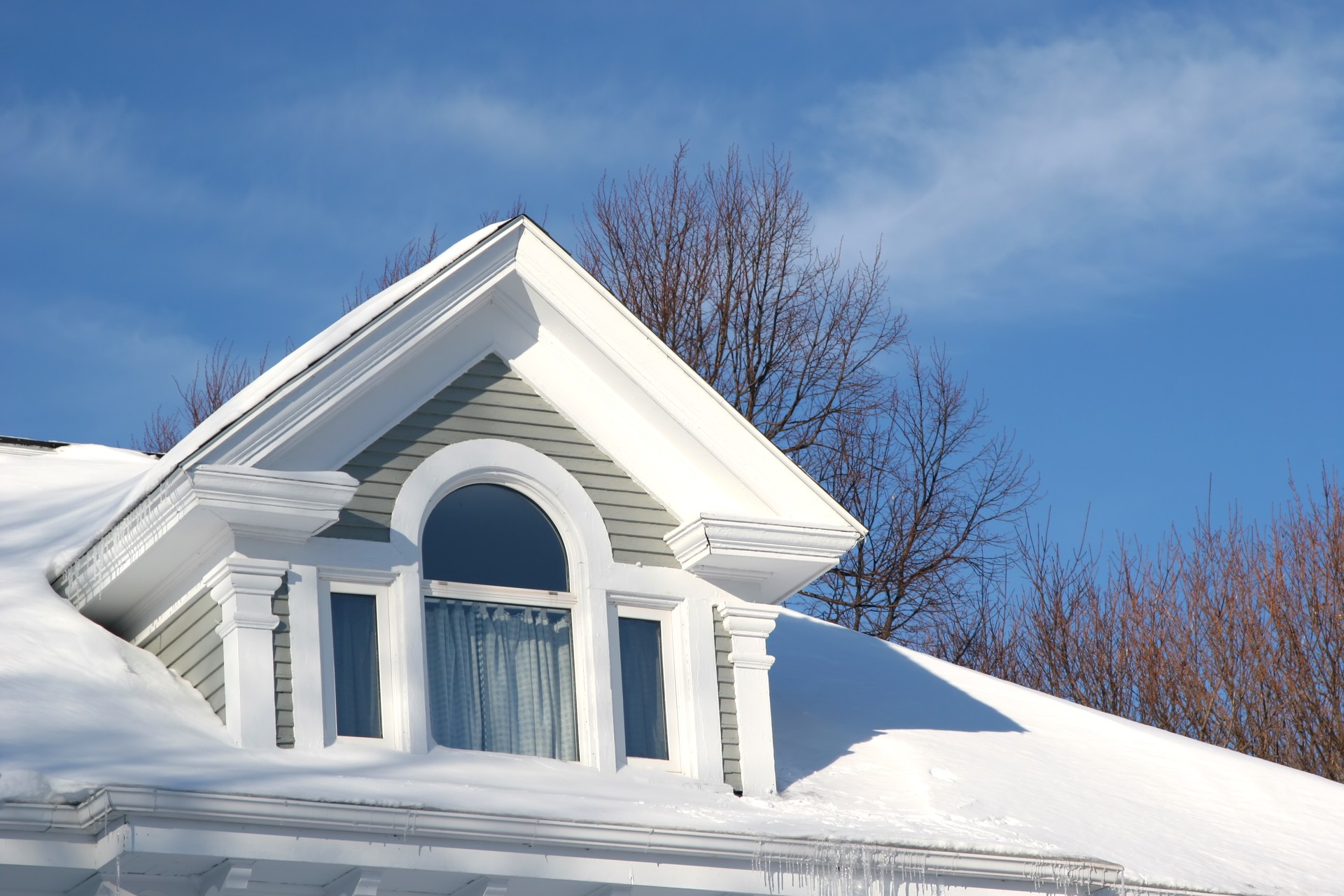

Keeping it Shingle: A Light-Hearted Step-by-Step Guide to Residential Roof Inspection
Are you a homeowner who wants to ensure the longevity and safety of your property? Then, residential roof inspection is an essential task that should never be overlooked. According to the National Roofing Contractors Association, conducting thorough roof inspections at least twice a year – in spring and fall – is crucial to detecting potential problems early on and avoiding costly repairs. To help you navigate this important task with ease and a touch of humor, we present to you a light-hearted step-by-step guide to residential roof inspection!
Step 1: Assessing Shingles' Health
Now, let's start with the shingles – the heroes of your roof! A study from the National Association of Home Inspectors revealed that damaged or missing shingles are one of the most common sources of leaks in residential roofs. So, it's vital to carefully examine the condition of your shingles. Look out for any signs of curling, cracking, or buckling, as these can indicate that your shingles are past their prime. Pay attention to any shingles that may appear dislodged or completely missing.
TIP: Keep an eye out for granule buildup in your gutters or downspouts, as it may indicate deteriorating shingles.
If you come across any issues with your shingles, make sure to address them promptly. A visit from a professional roofing contractor, like JACO Roofing, can assist you in determining whether repair or replacement is necessary.
Step 2: Flashing: The Unsung Hero
While shingles often steal the spotlight, don't forget about the unsung hero of the roofing world – flashing! Flashing is the material used to protect vulnerable areas of the roof, such as chimneys, vents, or skylights, from water intrusion. Over time, flashing can deteriorate or become damaged, leading to potential leaks.
Take a moment to inspect the flashing around these vulnerable areas. Look for signs of rust, corrosion, or gaps between the flashing and the roof surface. These issues can compromise the effectiveness of the flashing and allow water to seep through.
If you spot any concerns with your flashing, it's best to consult a professional roofing contractor to ensure proper repairs or replacements are made. Remember, proper flashing ensures that your roof remains a fortress against the elements!
Step 3: The Gutters: Your Roof's Best Friend
While inspecting your roof's exterior, don't forget to give some love to its best friend – the gutters! Gutters play a crucial role in diverting water away from your roof and foundation. Check for any signs of damage, such as sagging or loose gutters, as well as clogs caused by leaves or debris.
Clear any blockages you find, and ensure that the gutters are securely attached to your home. Additionally, make sure the downspouts are directing water away from the foundation, preventing potential water damage and foundation issues.
TIP: Consider installing gutter guards to minimize the risk of debris accumulation in your gutters.
Step 4: The Attic: Your Secret Roof Detective
Now, let us venture inside your home to unveil the secrets your attic holds. The International Association of Certified Home Inspectors recommends inspecting your roof from the inside, ideally every six months. Start by checking for signs of moisture, such as water stains or mold growth, as these can indicate potential roof leaks.
Additionally, look for any beams of light shining through the ceiling, which may suggest gaps or holes in your roof. Check the attic insulation for signs of damage or inadequate coverage, as proper insulation can prevent heat loss and keep your energy bills in check.
Don't forget to ensure proper ventilation in your attic, as it allows for proper airflow, preventing moisture buildup and potential roof damage.
FAQs
Q1: How often should I inspect my residential roof?
A: The National Roofing Contractors Association recommends conducting residential roof inspections at least twice a year, in spring and fall. However, it's also advisable to inspect your roof after major weather events, such as storms or hurricanes.
Q2: Can I perform a residential roof inspection myself?
A: While homeowners can perform basic visual inspections, it's best to hire a professional roofing contractor for a comprehensive inspection. Roofing professionals are trained to identify potential issues that may go unnoticed to an untrained eye.
Q3: What are some signs that my roof may need repair or replacement?
A: Look out for signs such as missing or damaged shingles, curling or buckling shingles, water stains or mold growth in the attic, or excessive granule buildup in gutters. If you notice any of these signs, it's best to consult a professional roofing contractor for further evaluation.
Q4: Is regular residential roof inspection necessary even if I haven't experienced any leaks?
A: Absolutely! Regular roof inspections can help detect and address potential issues before they escalate into costly repairs. Prevention is key when it comes to maintaining the integrity and longevity of your roof.