
Understanding Flat Roof Drainage: Tips and Insights from JACO Roofing
Picture this – you wake up one morning after a heavy rainstorm and find your flat roof leaking. The last thing you want is water seeping into your living or workspace. That's where flat roof drainage comes into play. In this article, we'll delve into the importance of proper drainage for flat roofs, and provide you with valuable information, tips, and insights from the experts at JACO Roofing, located in Savannah, GA.
Why Flat Roof Drainage Matters
When it comes to flat roofs, water pooling can be a major issue. Without proper drainage systems in place, the excess water can lead to structural damage, leaks, and even mold growth. Understanding how to effectively manage flat roof drainage is crucial to protect your investment and maintain a safe and healthy environment.
Choosing the Right Roof Drainage System
One of the key factors in flat roof drainage is selecting the right drainage system. There are various options available, and the choice depends on factors such as roof size, slope, and local climate conditions. JACO Roofing recommends considering a combination of internal and external roof drainage systems to ensure efficient water flow.
Internal Roof Drainage Systems
Internal roof drainage systems involve placing drains within the interior of the building. These drains collect water from the roof and channel it down through pipes or gutters. One advantage of internal drainage is that it keeps the roof surface clear of any obstacles, allowing for easy maintenance and repairs. Remember, regular inspections and cleaning of internal drains are essential to prevent clogs and backups.
External Roof Drainage Systems
External roof drainage systems, on the other hand, involve placing gutters and downspouts along the edges of the roof to collect and direct water away from the building. These systems are particularly effective in preventing water from seeping into the walls or foundation. To optimize the performance of external drainage, JACO Roofing recommends regular cleaning of gutters and downspouts to remove debris that can inhibit water flow.
Tips for Improving Flat Roof Drainage
Now that you understand the importance of flat roof drainage and the different systems available, let's explore some useful tips and insights to improve the performance of your flat roof drainage:
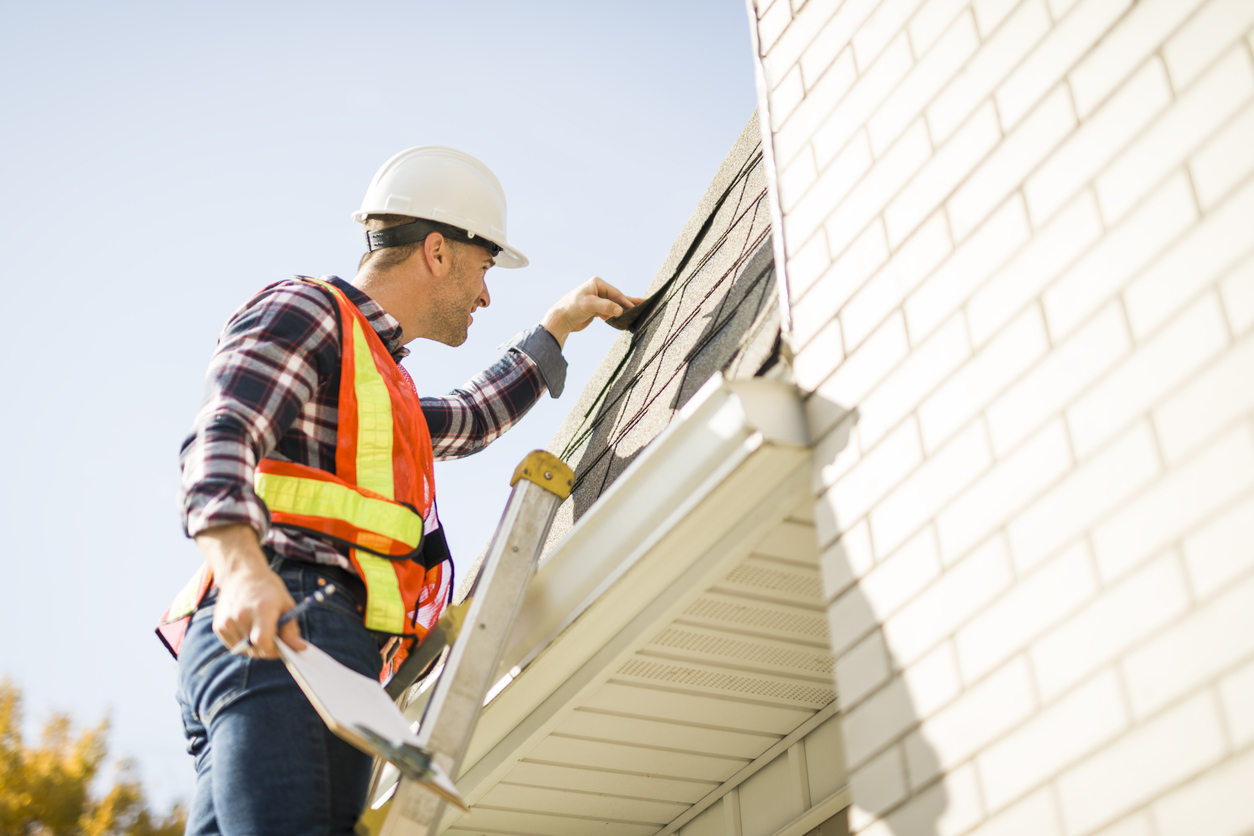
1. Maintain Regular Roof Inspections: Regular inspections help identify potential drainage issues early on and prevent costly repairs. Schedule professional inspections at least once a year, or after severe weather conditions.
2. Clear Debris: Keep your roof clean and free from debris that can obstruct water flow. Regularly remove leaves, branches, and other debris from gutters, downspouts, and roof surfaces.
3. Monitor Roof Slope: Ensure that your flat roof has a proper slope to promote water runoff. Consult with the experts at JACO Roofing to determine the optimal slope for your specific roof type and location.
4. Install Drain Guards: Consider installing drain guards to prevent debris from clogging your drains. These protective devices allow water to flow freely while keeping leaves and other unwanted materials out.
Conclusion
Proper flat roof drainage is integral to maintaining the integrity of your roof and protecting your property from water damage. By understanding the importance of internal and external drainage systems, and implementing tips from the experts at JACO Roofing, you can ensure efficient water flow and prevent potential risks associated with flat roofs. Remember, regular maintenance and inspections are key to a successful flat roof drainage system.
Next time you encounter a rainy day, you can rest easy knowing that your flat roof is equipped with the right drainage system. So, don't let the rain bring you down – invest in proper flat roof drainage and safeguard your property. Trust the professionals at JACO Roofing for all your flat roof drainage needs in Savannah, GA.