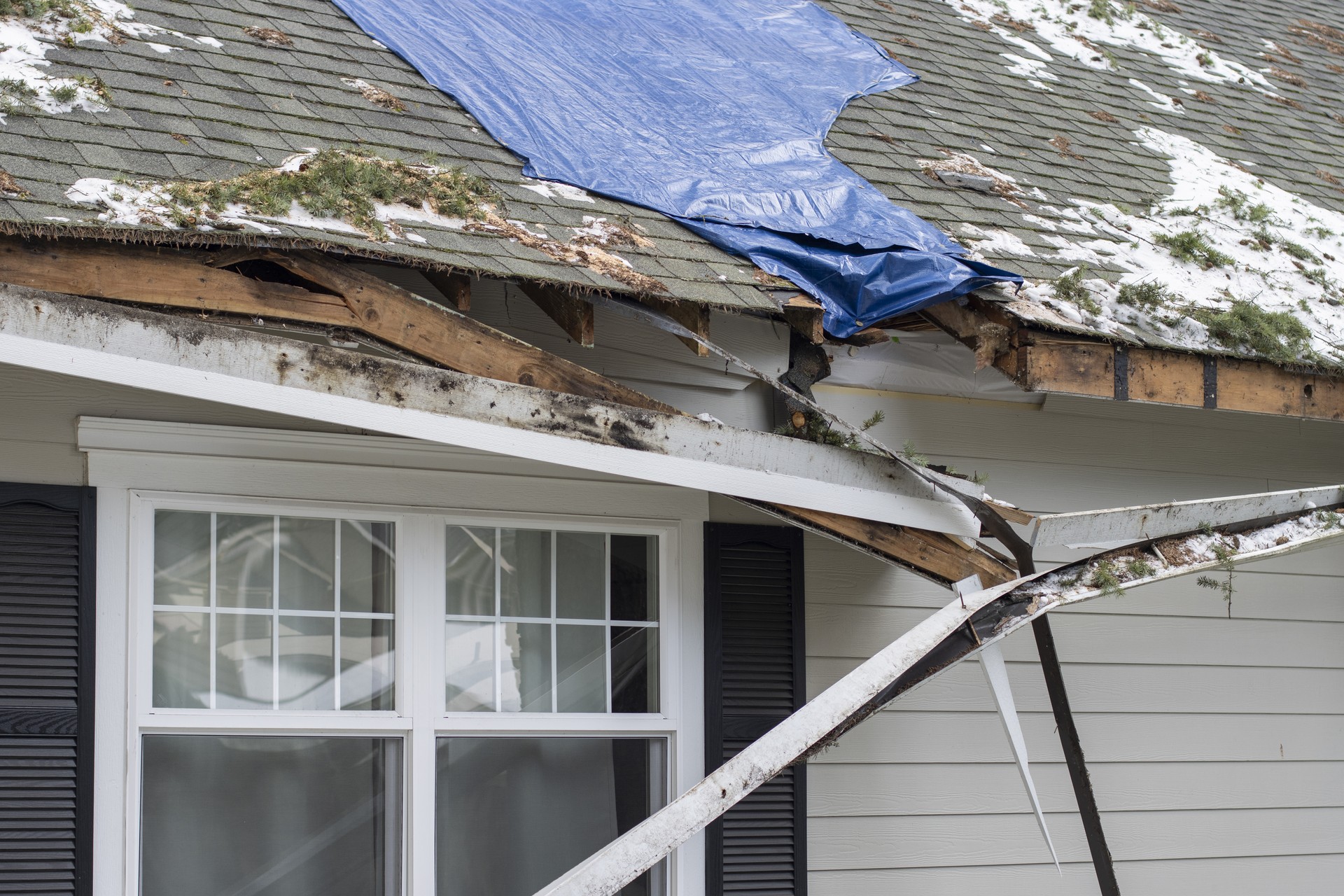

Making Waves: Your Life Preserver Guide to Water Damage Restoration Tips
Water damage can strike anytime, anywhere. Whether it's a burst pipe, a leaky roof, or a natural disaster, the aftermath of water damage can be devastating. As the saying goes, prevention is better than cure, but sometimes accidents happen, and when they do, it's essential to be armed with the knowledge and tools to restore your property efficiently. In this guide, we will dive into the world of water damage restoration and provide you with essential tips to navigate through the storm and safeguard your home or business.
The Clock is Ticking: Why Immediate Restoration is Crucial
According to the Environmental Protection Agency (EPA), mold can start growing in a moist environment within 24-48 hours. This alarming fact heightens the urgency of immediate water damage restoration. The longer water lingers, the higher the risk of structural damage and mold growth. Mold not only poses a threat to the integrity of your property but also to your health. The EPA warns that exposure to mold can lead to respiratory issues and allergies, making prompt restoration a critical step in protecting your loved ones and yourself.
Research in the industry reveals that an astonishing 98% of basements in the US will suffer from water damage at some point. This statistic emphasizes the importance of understanding effective water damage restoration tips. By equipping yourself with the necessary knowledge, you can minimize the potential damage and expedite the recovery process.
Effective Water Damage Restoration Tips
1. Act Swiftly: Time is of the essence when dealing with water damage. As soon as you notice any signs of water intrusion, such as standing water, dampness, or unusual odors, take immediate action. Contact a professional water damage restoration company like JACO Roofing to assess the situation and start the restoration process promptly. The longer you wait, the more extensive the damage can become.
2. Safety First: Before entering any water-damaged areas, ensure that it is safe to do so. Turn off the electricity to prevent electrocution, and wear protective gear like gloves, goggles, and boots. If the water level is high or the damage is severe, it's best to wait for the professionals to arrive.
3. Remove Standing Water: If the water accumulation is minimal, you can use a wet/dry vacuum or a pump to remove the standing water. Be cautious not to overload electrical circuits or create further damage in the process. For larger quantities of water, professional grade water extraction equipment should be employed to ensure thorough removal.
4. Dry Out Thoroughly: Proper drying is crucial to prevent mold growth and further damage. Use fans, dehumidifiers, and open windows to facilitate air circulation and speed up the drying process. Thoroughly dry all affected areas, including walls, carpets, furniture, and personal belongings. Any moisture left behind can lead to mold and mildew growth.
5. Salvage and Discard: Assess the damage and salvage any belongings that can be saved. However, keep in mind that not everything can be salvaged. Items severely damaged by water may harbor mold and bacteria, posing a risk to your health. Consult with professionals on what can and cannot be salvaged.
Frequently Asked Questions
Q: Can I handle water damage restoration on my own?
A: While minor cases of water damage can be addressed with DIY methods, it's always best to consult with professionals. Water damage restoration experts have the knowledge, experience, and specialized equipment to handle the restoration process efficiently and effectively. They can also identify hidden damage that might go unnoticed to the untrained eye.
Q: How much does water damage restoration cost?
A: The cost of water damage restoration varies depending on the extent of the damage, the size of the affected area, and the necessary repairs. It's best to contact a reputable restoration company for a detailed assessment and accurate estimate.
Q: Will my insurance cover water damage restoration?
A: Most homeowner's insurance policies cover water damage caused by sudden and accidental incidents, such as burst pipes or natural disasters. However, coverage may vary, so it's essential to review your policy and contact your insurance provider to determine the extent of your coverage.
Conclusion
Surviving water damage is no small feat, but armed with the right knowledge and tools, you can navigate through the storm and restore your property efficiently. Immediate action, thorough drying, and professional assistance are crucial for minimizing damage and preventing the growth of mold and mildew. Remember, prevention is better than cure, but when water damage strikes, make JACO Roofing your life preserver. Dive in and secure your property's future now!