
When winter finally arrives in Atlanta, it doesn’t exactly knock your door down—but it will find its way in if your roof isn’t pulling its weight.
You don’t need snowdrifts to feel the impact of a drafty attic or an underperforming roof. If you’ve ever found yourself reaching for a second sweater indoors or watching your heating bill creep up without touching the thermostat, chances are your home isn’t holding onto heat the way it should.
That’s where energy-efficient roofing and winter roof insulation come in. In Georgia, where the winters are mild but unpredictable, your roof should be doing more than just keeping the rain out. It should be helping your home stay warm—and your energy costs stay low.
Here’s what you’ll learn in this post:
- How your roof affects heating efficiency during Georgia winters
- Why insulation and ventilation matter more than you think
- What materials and upgrades make sense in Atlanta’s climate
- What to consider before improving your roofing system
If you’re already wondering what shape your roof is in, JACO Roofing – Atlanta can help. We handle everything from inspections to full system upgrades—with energy savings top of mind.
Why Energy Efficiency Starts at the Top
Your roof is your home’s first (and often forgotten) line of defense when it comes to keeping heat inside. Heat rises—so if your attic or roof deck is poorly insulated, you’re basically paying to warm the neighborhood.
In Atlanta and across Georgia, a lot of homes—especially those built more than 15 years ago—don’t have the insulation or materials needed to keep energy bills in check. Combine that with wild temperature swings and occasional winter storms, and you’ve got a recipe for inconsistent indoor temps and a hard-working HVAC system.
Here’s how your roof impacts winter energy efficiency:
- Warm air escapes fast through uninsulated or poorly ventilated attic spaces
- Moisture and humidity can break down insulation, making it less effective over time
- Outdated roofing systems may lack reflective barriers or energy-rated materials
- Local building codes may have changed since your home was built, leaving you behind on efficiency standards
The good news? Fixing the problem doesn’t always require tearing off your entire roof. Sometimes, it’s just about working smarter with what you’ve got.
What to Know Before Upgrading Your Roof for Winter
Roof upgrades can sound overwhelming, but if you break it down into smart steps, it’s actually pretty manageable. Here’s what to consider before diving into energy upgrades:
Step 1: Get Eyes on Your Roof
Don’t guess—get a proper inspection. Look out for:
- Cold drafts in your upstairs rooms
- High winter energy bills
- Uneven heating from room to room
- Signs of moisture or mold in the attic
We offer inspections at no cost, and we’ll tell you exactly where your heat is sneaking out.
Step 2: Budget With Intention
Not every solution is a total roof replacement.
- Adding or upgrading attic insulation: $1,500–$4,000
- Full energy-efficient roof system: $10,000–$20,000, depending on size and materials
- Financing is available—most of our customers average around $198/month
Step 3: Know Your Codes
Georgia follows an adapted version of the International Energy Conservation Code (IECC). That means roof replacements or major insulation upgrades in the Atlanta area need to meet minimum standards for energy performance.
Step 4: Choose the Right Tools
Every home is different. Some need better insulation, others need reflective materials, and some need both. The key is finding the combo that keeps your home warm in winter—and cool in summer.
4 Ways to Make Your Georgia Roof Winter-Ready
Upgrading your roof for energy efficiency is all about layering the right systems together. You don’t need every product on the market—you just need the ones that work best for your climate and home.
1. Improve Your Attic Insulation
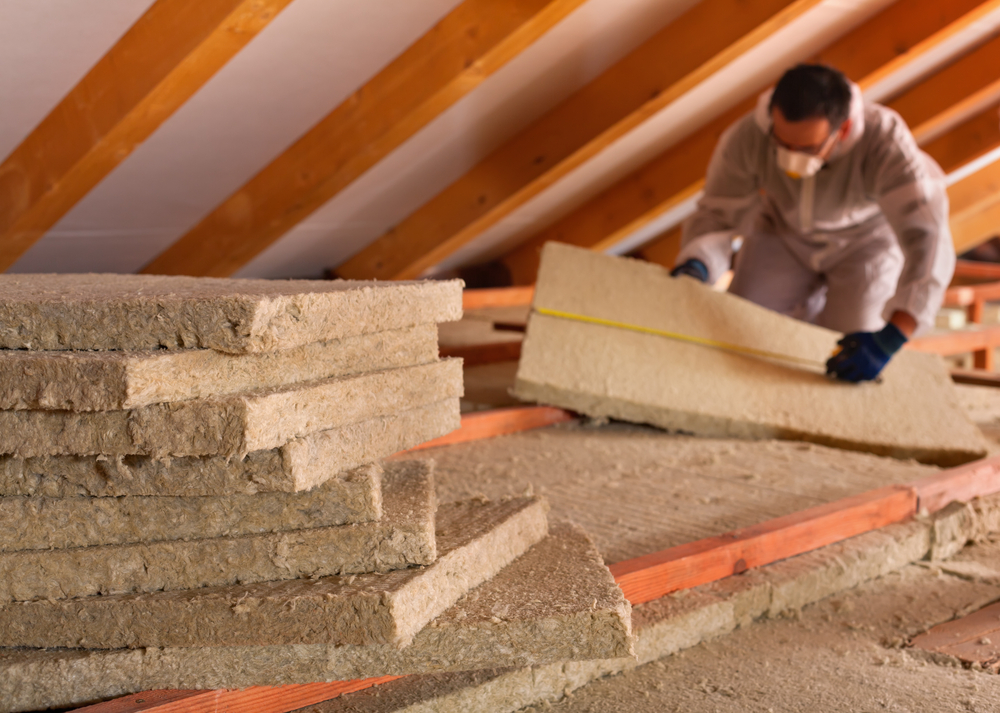
This is usually the biggest game-changer. Adding or upgrading attic insulation prevents heat from rising straight out of your house.
Best options for Atlanta-area homes:
- Blown-in fiberglass or cellulose: Affordable, effective, and easy to install
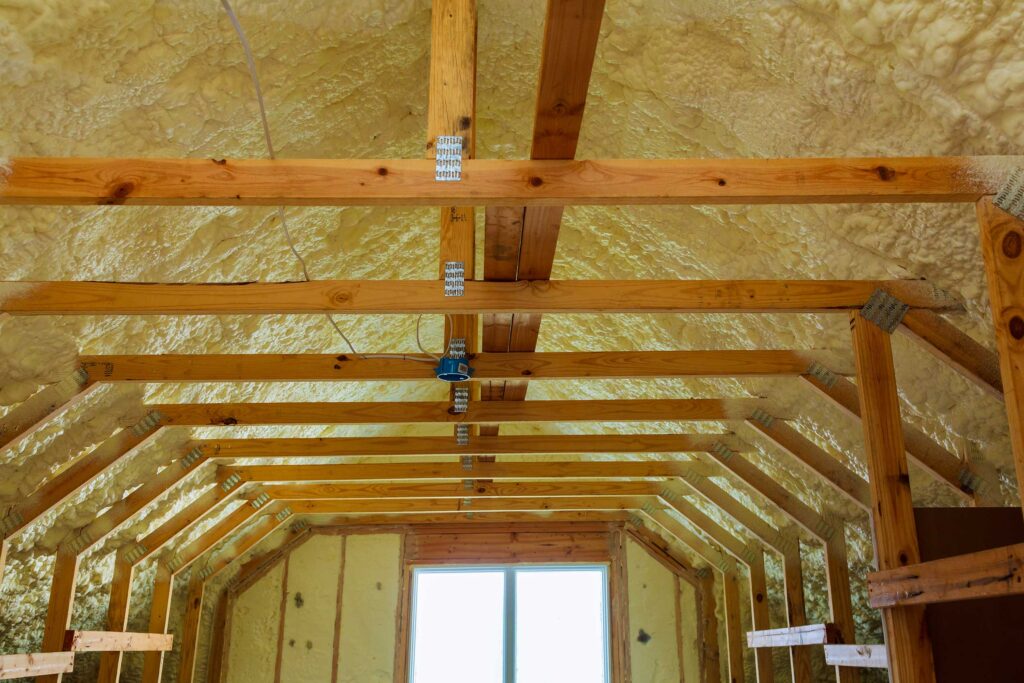
- Spray foam insulation: Higher R-value and adds air sealing at the same time
- Air sealing: Fill in gaps around vents, lights, and chimney chases
If your attic hasn’t been touched since the early 2000s, it’s almost definitely under-insulated by today’s standards.
2. Upgrade to Energy-Efficient Roofing Materials
If your roof is at the end of its life, it’s a great time to switch to materials that work harder all year round.
Smart choices include:
- Architectural asphalt shingles rated for energy efficiency
- Metal roofing with reflective coatings that trap heat in winter and deflect it in summer
- Synthetic slate or cedar options with built-in insulation properties
Check out Jaco’s asphalt and metal roofing options here.
3. Add a Radiant Barrier
Think of a radiant barrier as a thermal mirror—it reflects heat back toward your living space in winter and reflects heat away in summer. It’s installed beneath the roof decking and works best in combination with insulation.
4. Ventilate Like You Mean It
Good attic ventilation doesn’t just fight summer heat. It also prevents condensation in winter, which protects your insulation and prevents mold.
Look for:
- Ridge and soffit vent systems
- Gable vents
- Solar-powered attic fans
Proper airflow keeps everything working the way it should—quietly, efficiently, and out of your way.
Best Roofing Materials for Winter Energy Efficiency
Not all roofing materials are built for performance in variable climates like Georgia’s. Here’s how popular options compare when it comes to keeping heat in:
Roofing Material Winter Energy Efficiency Lifespan Average Cost Architectural Asphalt Shingles Moderate 20–30 years ~$15,000 Metal Roofing (Reflective Coating) High 40–70 years ~$20,000 Synthetic Slate or Cedar Very High 50+ years $50,000+ Tile (Clay or Synthetic) Moderate 50–100 years $50,000+
The Bottom Line:
- Asphalt is affordable and decent at energy performance—especially ENERGY STAR-rated shingles
- Metal roofing is a top performer, and when paired with underlayment and insulation, it's built for both heat retention and heat deflection
- Premium synthetic materials offer great performance, but they come with a higher price tag
Why JACO Roofing Is Atlanta’s Go-To for Energy-Efficient Roofing
We’re not just here to replace your roof. We’re here to make your home perform better—in every season. Our team is certified by:
- Owens Corning Platinum Preferred
- GAF Master Elite
- Durolast Master Installer
That means you’re getting the highest-quality materials, the best warranties, and a team that understands what Georgia homes need to run efficiently.
Plus, we back every replacement with:
- 25-Year Workmanship Warranty
- 50-Year Manufacturer Warranty (on select systems)
Atlanta Roofing FAQs: Winter Energy Efficiency Edition
How do I know if my roof is letting heat out?
If your energy bills are climbing, or certain rooms feel colder than others, your attic or roof may be the problem. A quick inspection will tell you what’s going on.
Do I have to replace my roof to improve energy efficiency?
Not necessarily. Many homeowners see major improvements just by upgrading insulation or adding a radiant barrier.
What’s the best insulation type for Georgia homes?
Blown-in fiberglass or cellulose works great. If your budget allows, spray foam provides even better sealing and thermal performance.
Are there roofing materials that help in both summer and winter?
Yes. Reflective metal roofing and ENERGY STAR shingles work double-duty by keeping heat in during winter and reflecting it in summer.
Will I need permits for roofing or insulation upgrades?
For full roof replacements, yes. For attic insulation, it depends on the scope of work. We’ll help you navigate any local requirements.
Can JACO Roofing help with energy-focused upgrades?
Absolutely. From insulation to full roof replacements, we specialize in making homes more efficient, safer, and more comfortable.
Final Take: Don’t Let Winter Heat Slip Through the Roof
Here’s the truth: if your roof isn’t helping you hold onto warmth in the winter, it’s working against you. With the right materials, smart insulation, and proper ventilation, your roof can make a real difference in how comfortable—and affordable—your winters feel.
At JACO Roofing, we’ve been helping Georgia homeowners upgrade their homes for better roofing efficiency for over a decade. We’re local. We’re certified. And we stand behind everything we install.
Let’s put your roof to work this winter. Schedule your free inspection today.