We get it—Georgia winters aren’t exactly blizzard season. But that doesn’t mean your roof gets a free pass from the weather. Ask any homeowner who’s discovered a mysterious ceiling stain in February, and they’ll tell you: it only takes one icy night to cause a whole lot of roof trouble.
At Jaco Contracting, we hear from homeowners across Atlanta and north Georgia every winter who are surprised by the damage light snow or overnight freezes can cause. And we’re not talking about collapsed roofs from heavy snow loads (though that can happen too). We’re talking about ice dams, cracked shingles, and slow leaks that show up long after the snow is gone.
In this post, we’re breaking it down:
- How snow and ice really affect Georgia roofs
- Why homes in our region are especially vulnerable
- Signs your roof may already have cold-weather damage
- What to do now to prevent problems later
Wondering if your roof is winter-ready? Schedule your free inspection with Jaco Contracting.
Why Snow and Ice Are Bigger Roofing Problems in Georgia Than You Think
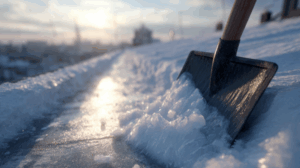
Let’s bust a myth: you don’t need a foot of snow to damage your roof. In fact, the issues we see most often in Atlanta’s winter storms come from small amounts of snow or sleet that freeze, thaw, and refreeze again—especially on older roofs.
Here’s why that matters:
Our Roofs Weren’t Built for Freeze Cycles
Georgia homes, especially those built before the 2010s, weren’t designed with snow in mind. Attics are often under-insulated, roofs aren’t equipped with ice and water shield membranes, and many materials simply aren’t rated for extreme temperature swings. That creates the perfect storm (literally) for:
- Ice dams forming at the roof edge
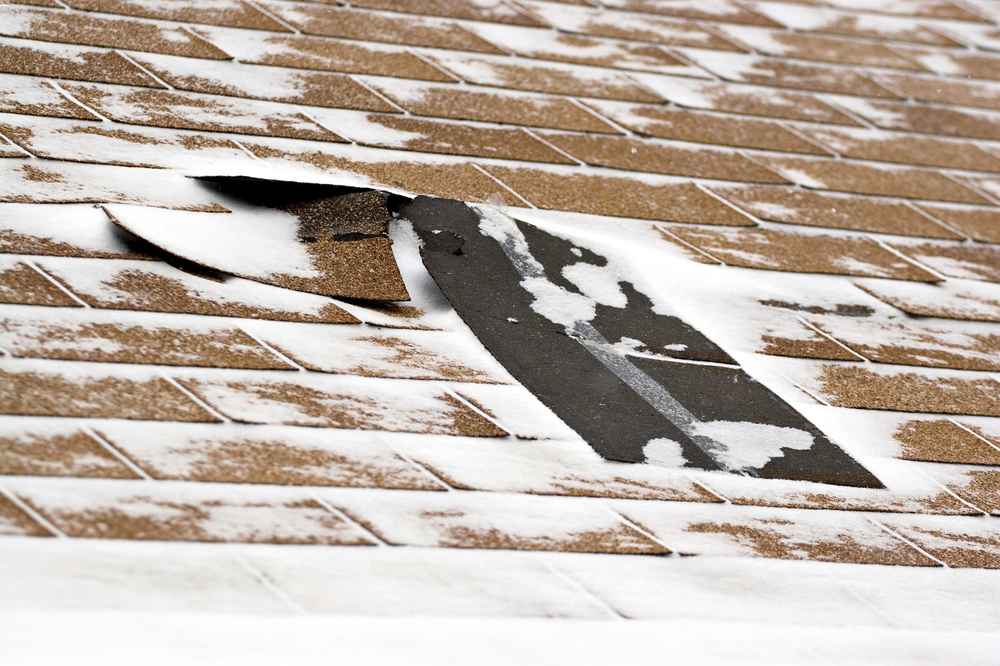
- Water pushing up under shingles
- Flashing pulling loose from expansion/contraction
- Slow leaks that go unnoticed for weeks
What is an Ice Dam—and Why Should You Care?
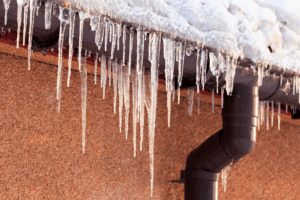
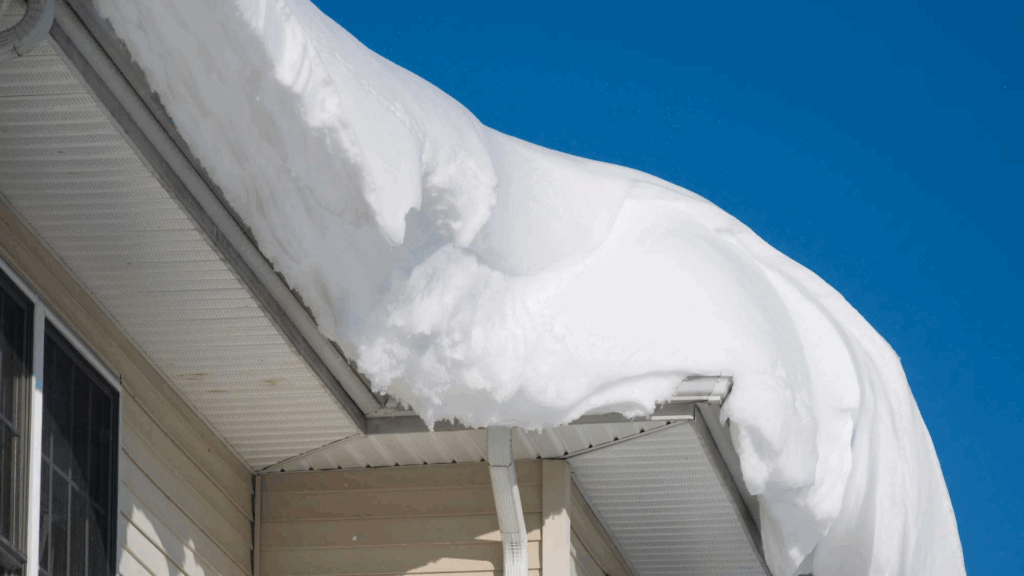
An ice dam forms when heat from your attic melts the bottom layer of snow on your roof. That meltwater runs down the slope and refreezes at the colder edge or in your gutters, creating a “dam” that blocks additional runoff. The result? Water gets trapped—and starts working its way under shingles, into the underlayment, and eventually into your attic.
And once water gets in, it doesn’t just disappear when the weather warms up.
Before You Break Out the Ladder: What to Know First
If you’re already seeing signs of damage—or just want to prepare—here are a few essentials:
1. Age Plays a Big Role
If your roof is more than 15 years old, it’s likely missing some of the weatherproofing that’s now standard in modern builds. That makes it more susceptible to cracking, curling, and absorbing water when temps drop.
2. Not All Insurance Covers Ice-Related Damage
Many homeowners assume all storm damage is covered. But if your insurer considers the issue to be related to neglected maintenance—like clogged gutters or poor attic insulation—it might not be.
3. Codes Are Catching Up, But Not Fast Enough
Newer Georgia building codes in some municipalities now require ice and water shields in specific zones. But if your roof was installed before those updates—or by a contractor who cut corners—you may be exposed.
5 Signs That Snow and Ice Have Already Damaged Your Roof
Let’s get specific. If you’ve recently had a freeze or snow event in your area, here’s what to look for:
1. Icicles That Hang Like Chandelier Prisms
Beautiful? Sure. But large icicles are often a red flag. They can signal poor attic ventilation or blocked gutters—both of which contribute to ice dams.
2. Ceiling Stains That Appear After a Cold Snap
That faint yellow spot on your drywall? It could be a sign that meltwater made its way under your shingles and is slowly working through the insulation.
3. Shingles That Seem to Curl, Crack, or Buckle
When materials freeze, they contract. When they thaw, they expand. Repeat that process a few dozen times in a season, and shingles begin to deform—especially at the edges.
4. Gutters That Stay Frozen Long After a Storm Ends
When your gutters can’t drain, meltwater pools. That puts pressure on the roof edge and can push moisture into places it was never meant to go.
5. Exposed Flashing Around Vents or Skylights
You may not notice this from the ground, but shifting temperatures can cause flashing to pull away, especially around roof penetrations.
What You Can Do to Prevent Winter Roof Damage in Georgia
Prevention goes a long way when it comes to ice impact roofing. And no—you don’t need to transform your house into a ski chalet to keep it protected.
Schedule a Seasonal Roof Inspection
This is your first and best line of defense. A qualified roofer can spot issues like missing sealant, loose flashing, or signs of water intrusion. Jaco Contracting offers winter-specific roof checks that focus on vulnerable areas.
Clear Those Gutters—Seriously
It’s not glamorous, but it’s effective. Leaves, pine needles, and debris trap moisture, slow drainage, and freeze into solid blocks of ice that damage both your roof and fascia.
Improve Your Attic Insulation
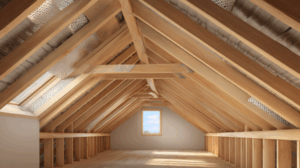
A warm attic may feel like a bonus, but it causes more harm than good in winter. When warm air melts snow on your roof too quickly, it creates runoff that refreezes at the edges. A cooler, well-ventilated attic helps prevent this.
Add Ice & Water Shield Where It Counts
On older roofs, a simple upgrade in valleys or near eaves can prevent major leaks. This underlayment acts like a last line of defense if water pushes past the shingles.
What Roofing Materials Handle Georgia Winters Best?
Here’s a quick look at how different roofing materials hold up when winter makes an appearance:
| Material Type | Winter Performance | Notes |
| Standard Asphalt Shingles | Moderate | Most common; brittle when aged |
| Impact-Resistant Shingles | High | Better flexibility, good for freeze-thaw |
| Metal Roofing (Standing Seam) | Very High | Ice sheds easily; installation is key |
| Synthetic Slate or Shake | High | Strong, lightweight, but more expensive |
At Jaco Contracting, we use materials rated for weather variation—even in regions like Georgia where the cold comes and goes. We also back our installs with up to 50-year warranties through Owens Corning and GAF. That’s protection built for the long haul.
Winter Roof Damage FAQs for Atlanta Homeowners
We’ve covered the risks and warning signs of snow and ice damage, but some questions come up every season—especially here in Georgia, where cold-weather roofing issues catch many homeowners off guard. Here are the most common winter roofing questions we hear from the Atlanta area, answered clearly and directly.