There’s a particular moment, usually sometime in late November, when Chattanooga air starts to sharpen. You feel it in small ways first. Maybe it’s the draft that slips under a doorframe or the thin hush that settles in the mornings. And then, almost all at once, you notice your home reacting to winter. Wood contracts. Pipes hum. The attic feels colder than it should.
That’s usually when questions begin to surface.
Questions about the parts of a house you rarely think about until the weather demands your attention.
Questions like whether roof vents are letting in too much cold air—or whether roof vent installation was ever done correctly to begin with. Or the most common one: Should roof vents be covered in winter?
As a roofing company that spends a lot of time listening to what houses are trying to say, we’ve learned something: winter isn’t the problem. Poor preparation is. Especially when it comes to roof vents and exhausts here in Chattanooga, where below-freezing temperatures show up quietly but cause loud problems if your roof isn’t ready.
In this guide, we explore the small-but-impactful ways cold weather tests your ventilation systems—and what you can do now to protect your home before winter fully settles in.
Key takeaways:
- Why ventilation matters more during a Chattanooga freeze
- Whether covering roof vents helps or harms
- How to prep attic vents, bathroom and kitchen exhausts, and soffit systems
- Local considerations, from humidity to code requirements
- How Jaco Contracting fits into the solution
If you need help making sense of your roof’s condition, Jaco Contracting can help.
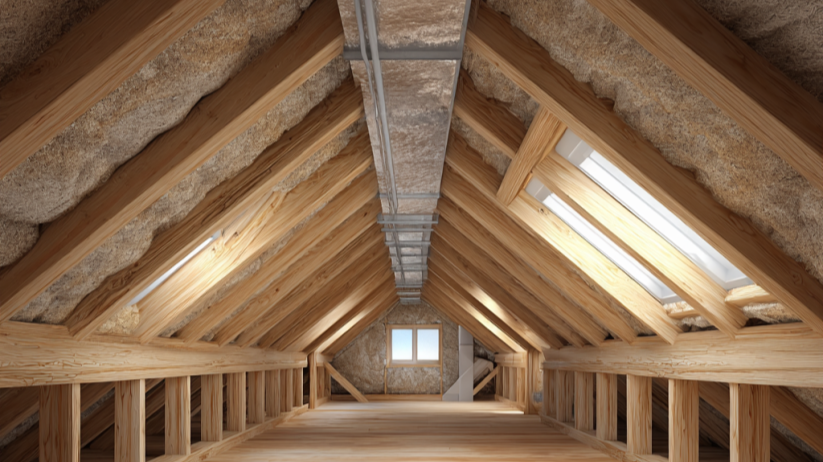
Understanding Roof Vents and Why They Matter in a Chattanooga Winter
The idea behind ventilation is simple. Warm air rises. Cold air settles. Moisture follows the path of least resistance. A good system works with these truths instead of fighting them. That’s why roof vents serve such an essential purpose. They give your home a predictable way to release warm, moist air before it becomes a problem.
What Roof Vents and Exhausts Actually Do
Roof vents regulate airflow in the attic. Exhaust vents remove humid air from specific areas like bathrooms, kitchens, or laundry rooms. They’re different systems with one shared responsibility: create balance.
That balance gets tested in winter.
Especially in Chattanooga, where cold snaps arrive after days of damp weather, and where houses breathe out more moisture than most people realize.
Why Local Weather Makes Preparation Essential
Below-freezing temperatures change how air behaves inside your attic. Warm indoor air meets cold surfaces like metal vent pipes and the underside of roof decking. When those surfaces are uninsulated or the wrong type of vent is in place, condensation appears. Sometimes it turns to frost. When it melts, problems begin.
This is why focusing on roof vents and exhaust systems is one of the most efficient ways to protect your home during a Chattanooga winter.
What to Consider Before Winterizing Roof Vents
Before you start taping, sealing, or insulating anything, you need a baseline understanding of your roof.
Building Codes and Permits
Smaller winterization tasks don’t typically require a permit in Chattanooga. But any new roof vent installation must comply with the IRC 2018 code. It’s a set of rules meant to keep airflow balanced, not complicated.
Expected Costs
A small repair, like resealing a vent boot, might cost around $100–$300.
Installing a new exhaust vent, closer to $300–$600.
Reworking the entire attic ventilation system is more of an investment—often $1,000 or more.
Many inspections, including ours, cost nothing.
Helpful Materials
Cold-rated caulk.
Soffit baffles.
Foil-backed insulation.
Flashing.
A quiet willingness to look a little longer at what your roof is trying to show you.
How to Prepare Roof Vents and Exhausts for Below-Freezing Temps
This is where the work becomes practical. Straightforward. Manageable. Preparing your vent systems for freezing weather doesn’t require perfection; it requires paying attention.
Step 1: Inspect Your Roof Vents Before the Cold Arrives
Start with what you can see.
Look for cracked vent covers or loose flashing.
Check for moisture marks in the attic.
Watch for insulation pressing against soffit vents.
And confirm that bathroom and kitchen exhaust ducts lead fully outside—not into the attic, which is a common issue.
If the attic feels colder than expected or smells damp, that’s a sign something is off.
Step 2: Should Roof Vents Be Covered in Winter?
The short, honest answer is no.
Covering roof vents tends to create more problems than it solves.
Passive vents—like ridge vents or box vents—should stay open. They need airflow to work. When covered, warm air gets trapped in the attic. That trapped air becomes condensation. And condensation becomes mold, rot, or frost.
But not all vents function the same way.
Bathroom exhaust vents, dryer vents, and range hood vents sometimes benefit from insulated caps or draft guards. These aren’t the same as “covering” vents; they are protective components designed to prevent cold air from flowing backward.
The rule of thumb is simple:
Don’t block airflow.
Do block drafts.
Step 3: Seal and Insulate Exhaust Ducts
This step matters more than most homeowners realize.
Every exhaust line that runs through your attic should be insulated. Warm, moist air traveling through a cold metal duct creates condensation. Enough condensation can drip. And drip. And cause a leak that looks like a roofing problem but begins as a ventilation issue.
Seal connections. Add foil-wrapped insulation. Confirm that all ducts exit the home, not the attic.
This is one of the simplest ways to winter-proof a house.
Step 4: Install Soffit Baffles to Maintain Airflow
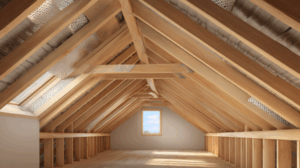
Your soffit vents, tucked under the eaves, are the intake system for your attic airflow. But insulation often blocks them—especially when it settles or shifts over time.
Baffles keep air channels open. They’re inexpensive and effective. And in Chattanooga’s damp winter climate, they help protect against uneven attic temperatures, ice damming, and unnecessary strain on the roof.
Deep Dive: What Works Best for Below-Freezing Weather in Chattanooga
When preparing a house for winter, materials matter. Systems matter. But understanding how they interact matters most—especially in Chattanooga, where freeze-thaw cycles can push a roof system to its limits.
Choosing Materials for Cold Weather
- PVC vents are affordable but can become brittle in freezing conditions.
- Aluminum is sturdy and lightweight but dents easily under pressure or hail.
- Galvanized steel performs well long-term but needs proper coating to resist rust.
- Copper lasts for decades and adds a premium finish, but it’s more expensive upfront.
In Chattanooga’s winter climate, galvanized steel and aluminum typically offer the best balance of durability and cost.
Common Winter Vent Failures
- Condensation forming inside an attic due to poor ventilation balance
- Cold air entering through uninsulated or loosely sealed exhaust ducts
- Ridge vents damaged by high winds, often from winter storms
- Animals nesting in soffit areas seeking warmth and shelter
These issues often go unnoticed until they cause leaks, drafts, or higher energy bills.
How Jaco Contracting Solves These Winter Challenges
- We install winter-ready vent systems designed for Tennessee’s seasonal extremes.
- We use freeze-rated sealants and materials that stand up to rapid temperature swings.
- Our team follows Owens Corning and GAF manufacturer standards for vent placement and airflow calculations.
- We help homeowners understand how each part of the ventilation system contributes to overall roof performance.
Our work doesn’t stop at installation. We monitor performance, adjust as needed, and ensure your roof system holds up—not just through winter, but for the long run.
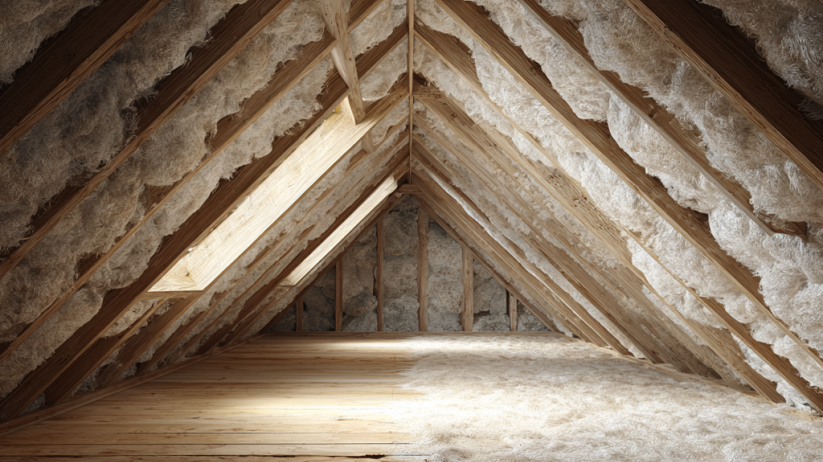
Chattanooga Winter Roof Vent Prep: FAQs from Local Homeowners
As we’ve helped homeowners across Chattanooga prepare their roof vents for colder weather, we’ve heard many of the same questions—especially as temperatures begin to dip. Below are clear answers to common concerns about roof ventilation, exhaust systems, and cold-weather performance in our region.