There’s a quiet that settles over Chattanooga when it snows. It’s not loud like the spring rain or sudden like summer storms. It’s softer. Still. And if you pay attention, it reveals a few things—like which trees hold their leaves longer, which driveways freeze first, and yes, which roofs are losing more heat than they should.
Snow makes small truths visible.
It gives you a snapshot of what’s happening just above your head—on the roof, in the attic, around the gutters. As contractors, we see it every year: a light snowfall comes through, and suddenly, neighbors are noticing bare spots on their roof while others stay fully covered.
And the questions start rolling in:
Is snow on my roof a good sign? Does it mean my insulation is working? Should I be doing anything after it snows?
This is your guide to those questions—grounded, honest, and built for real people who want to take care of their homes without overcomplicating things.
In this post, you’ll learn:
- What snow patterns on your roof actually mean
- Why post-snow roof maintenance matters in Chattanooga
- What to check (and what to ignore) after it snows
- When to call in a professional
If it recently snowed and your roof looks a little…off, Jaco Contracting can help.

Why Roof Maintenance After Snowfall Is Worth Paying Attention To
Even when snow is light and fleeting here in Chattanooga, the roof still tells a story. The shape it holds. The way the snow melts. Where it lingers. All of it speaks to how your home is insulated and how well your attic is ventilated.
Why does this matter?
Because snow melt patterns reveal more than aesthetics—they hint at deeper roofing and insulation issues that might not show up until spring. Moisture damage, frost buildup, and uneven temperatures all start here, in small unnoticed ways.
And because this is Chattanooga, we get just enough winter to matter. Temperatures bounce below freezing overnight, but warm during the day. Roof systems get tested more than most people realize.
Does Snow on Roof Mean Good Insulation?
Yes, snow that stays on your roof evenly often means your insulation is doing what it should—keeping warm air inside your home, not leaking into the attic.
If snow melts quickly or in patches while nearby homes stay covered, it may be time to look at your attic insulation and ventilation setup.
Here’s how we think of it:
- Snow on the roof = likely good insulation
- Uneven or early melting = energy loss or attic airflow issues
Snow is your roof’s version of a thermometer. You just have to know how to read it.
What to Know Before You Head Outside With a Roof Rake
There’s no need to panic when it snows. Most Chattanooga roofs can handle light to moderate snow loads without issue. The goal isn’t to rush into repairs—it’s to notice, assess, and respond where needed.
Start with what matters:
- Safety. Don’t climb on your roof in winter. It’s not worth the risk.
- Observation. Use binoculars or a drone. Walk the perimeter of your home and look for patterns.
- Inspections. If you spot bare patches, ice dams, or indoor moisture, schedule a winter roof inspection.
You don’t need fancy tools—just time, awareness, and a phone camera to document what you see.
Winter Roof Maintenance Tips for Chattanooga Homes
Here’s what to actually do once snow has fallen. You don’t need to do everything—but knowing what’s normal and what’s not can save you from surprise repairs later.
Check 1: Observe Snow Coverage from the Ground
Look for consistency. If your roof is evenly blanketed, that’s usually a good sign. But if certain sections melt before others—especially near ridges, vents, or chimney stacks—it might mean:
- Warm air is leaking from the attic
- Insulation is missing or thin in spots
- Your venting system isn’t balanced
A single bare patch may not mean much. A pattern of uneven melt across multiple snowfalls? Worth looking into.
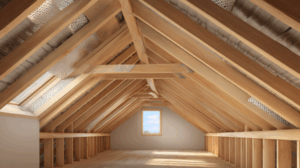
Check 2: Look in the Attic
Yes, the attic. It’s not glamorous, but it’s where a lot of roof problems start.
Here’s what to look for after a snow:
- Frost on nails or rafters
- Damp insulation
- Visible light coming through vent penetrations
- Unexpected warmth in the attic space
An attic should be close to outdoor temperature during winter. If it’s noticeably warmer, that heat is rising through your living space and into the roof deck—melting snow from the inside out.
Check 3: Remove Snow (Carefully)
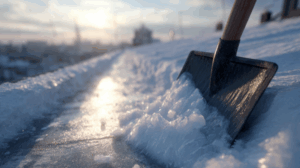
If your roof has more than 6 inches of snow, and it’s safe to do so, consider clearing it from the eaves or flat roof sections using a long-handled roof rake.
Don’t chip at ice. Don’t climb onto the roof. And don’t try to clear every inch.
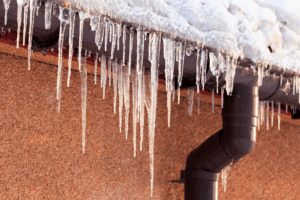
The goal is to reduce stress on the structure and prevent ice dams, which form when snow melts and refreezes near the roof edge.
Check 4: Watch the Gutters
Gutters are the silent partner in winter roof health. When they’re blocked or sagging under ice, melting snow has nowhere to go.
After snow:
- Check for ice at the eaves
- Look for water spilling over the sides
- Make sure downspouts are draining away from the home
Small backups today become fascia rot or attic leaks tomorrow.
What Snow Patterns Say About Your Roof (And What to Do About It)
Understanding what your roof is showing you takes practice. Here’s a simple guide to reading snow patterns like a pro.
| Snow Pattern | What It Means | Action |
| Even coverage | Insulation & ventilation are likely in good shape | Monitor only |
| Melting in specific areas | Possible heat loss or air leaks | Check attic & ducts |
| No snow while neighbors have some | Major insulation gaps | Call for inspection |
| Ice buildup at roof edges | Poor drainage or vent imbalance | Clear gutters & check attic airflow |
How Jaco Contracting Helps After Snow Events
We’ve been through enough winters in Chattanooga to know this: small issues grow quickly when moisture is involved.
Our winter roof services include:
- Visual & drone-based inspections
- Insulation and attic airflow assessments
- Ice dam and leak detection
- Flashing and gutter repair
- Manufacturer-backed upgrades using Owens Corning, GAF, and Durolast systems
We show up with a camera, not a contract. If your roof’s doing fine, we’ll tell you. If something’s off, we’ll explain what and why—no pressure.
Common Winter Roof Questions from Chattanooga Homeowners
When it snows in Chattanooga, even a little, it stirs up questions. Whether you’ve lived in your home for decades or just moved in, snow on the roof tends to draw attention. Below are answers to the most common questions we hear this time of year—each one tied to what snowfall reveals about your roofing system.
Should I remove snow from my roof?
Yes, you should remove snow from your roof if there’s more than 6 inches and it’s safe to do so from the ground. Removing snow from eaves and low-slope areas can help reduce weight, prevent ice dams, and ease stress on your roof structure. Always use a roof rake and never climb onto the roof during winter.
Does snow staying on my roof mean my insulation is good?
Yes, snow staying on your roof usually means your insulation is working properly. When snow remains evenly across the roof, it’s a sign that heat is staying inside your home and not escaping through the attic or roof deck.
What causes ice to form at the edge of my roof?
Ice forming at the edge of your roof is usually caused by ice dams, which occur when warm attic air melts snow and the water refreezes at colder eaves. This frozen edge blocks proper drainage, and over time, it can lead to leaks and water damage inside the home.
Why does my roof melt snow faster than my neighbors’?
Your roof melts snow faster than your neighbors’ because heat is likely escaping through your attic. This can be a sign of poor insulation, air leaks, or insufficient ventilation—issues that impact energy efficiency and increase the risk of ice dams.
Can I inspect my attic myself after it snows?
Yes, you can inspect your attic yourself after it snows by safely checking for signs like damp insulation, frost on rafters, or warm air buildup. These are indicators that your roofing system may not be retaining heat or managing moisture properly.
Do I need a contractor for winter roof maintenance?
Yes, you should hire a contractor for winter roof maintenance if you notice uneven snow melt, leaks, ice buildup, or attic moisture. A professional inspection ensures your roofing system is responding well to the cold and gives you peace of mind before issues worsen.
Final Thoughts: Snow Is a Clue. Not a Crisis.
When snow falls in Chattanooga, your roof gives you a rare chance to see what’s really going on up there. The shape of the snow, the way it melts, the condition of your attic—it’s all information. All part of the story your house is trying to tell.
Taking the time to observe it? That’s good roof maintenance. Acting on what you see? That’s how you stay ahead of problems and protect the value of your home.
At Jaco Contracting, we’re here to help you read the signs and take the right next step—whatever that looks like for your roof, your budget, and your peace of mind.
Schedule your winter roof inspection today. It’s free, and it’s the right time.